Former Google, Facebook and Twitter insiders explain how social media is built to hold attention, mixed with a scripted family drama. For anyone who wants to understand the attention economy.
Documentary
Directed by Zaya Benazzo and Maurizio Benazzo
2021 · 1 h 28 min · Summary updated 3 November 2026
Featuring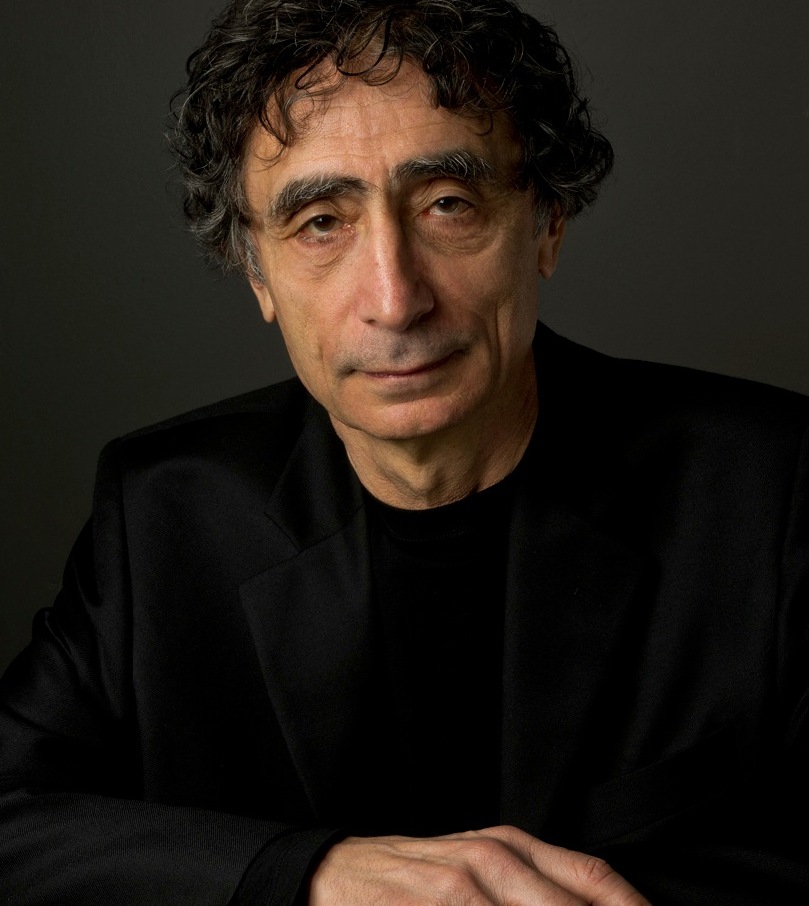 Gabor Maté
A 2021 documentary that follows physician Gabor Maté as he argues that unhealed trauma lies beneath much addiction, mental illness and chronic disease. For readers of Maté and anyone curious about trauma-informed care.
The Wisdom of Trauma follows the Vancouver physician Gabor Maté as he makes one central claim: trauma is not the bad event itself but the wound it leaves inside a person. Maté argues that this inner wound, often from childhood, drives much of what modern medicine treats as separate problems, from addiction and anxiety to autoimmune disease. He says children need two things, attachment and authenticity, and that trauma forms when they must give up one to keep the other. The documentary visits prisons and people who work on homelessness and addiction, and it calls for a trauma-informed society. Several researchers say Maté overstates the evidence for his strongest claims.
Maté's central claim is that trauma is not what happens to you but what happens inside you as a result. Events such as abuse, neglect or loss can leave a lasting disconnection from your own feelings. That inner wound is what he calls trauma. The definition is broad on purpose. It means people can carry trauma without dramatic abuse, for example a child who was often left alone with painful emotions. Critics say Maté stretches trauma to explain too much.
The documentary presents two core needs in every child. Attachment is a safe bond with caregivers, which a child cannot live without. Authenticity is contact with one's own feelings and sense of truth. When a family cannot support both, Maté argues, the child gives up authenticity to keep attachment. The child learns to hide anger or sadness to stay close. In his view, this trade protects the child but leaves an adult cut off from parts of the self.
Maté defines addiction as any behavior that brings short-term relief, causes harm and is hard to give up. Drugs, alcohol, gambling and overwork can all fit. He argues that addiction is an attempt to soothe suffering, so the useful question is what pain the person is trying to escape. The documentary presents shame and punishment as poor responses, because they add pain to people already in pain. Some researchers say this view underplays other causes, including genetics.
Maté argues that long-term stress and suppressed emotion affect the immune and nervous systems. He connects them to autoimmune disease, chronic pain and even cancer, and he criticizes medicine for splitting the body from the mind. In his view, doctors too often treat symptoms rather than the stress behind them. This is the most contested part of his work. Psychologist Nick Haslam notes that very large studies have found no link between personality and cancer.
Maté argues that trauma moves through generations. Parents who were hurt as children often hurt their own children without meaning to, and those children carry the pattern forward. For this reason, the documentary treats blame as a distraction. Tracing fault back through a family history rarely ends anywhere useful. Maté urges understanding of where the wound came from and responsibility for one's own healing, rather than a search for someone to accuse.
The documentary visits the Compassion Prison Project, founded by Fritzi Horstman, where incarcerated people talk about their childhood adversity. It argues that many people in prison were deeply hurt as children, and that harsh courts and prisons often repeat that harm instead of healing it. The scenes support the documentary's wider claim that troubling behavior has a history. Understanding that history, Maté suggests, does not excuse harm, but it can point to more effective responses.
The documentary's closing vision is a trauma-informed society. Parents, teachers, doctors, judges and policymakers would ask what happened to a person before they diagnose, punish or judge. Maté argues this would change how schools handle difficult children, how doctors treat chronic illness and how courts treat offenders. The idea has wide appeal. The open question, which critics raise, is how far trauma alone explains illness and behavior compared with genes, poverty and chance.
Availability in the US. Services change their catalogs, so check the price on the service before you pay.
The Wisdom of Trauma is a 2021 documentary by Zaya and Maurizio Benazzo, the couple behind the Science and Nonduality organization. It centers on Gabor Maté, a Hungarian-born physician who worked for many years in Vancouver with people facing addiction, mental illness and chronic disease.
The documentary mixes Maté's talks and interviews with scenes of his work. It also visits prisons, a homelessness program in San Francisco and harm reduction workers. Others appear along the way, including the neurosurgeon James Doty, the researcher Stephen Porges, the singer Sia, the comedian Russell Brand and the entrepreneur Tim Ferriss. Maté's wife, Rae, talks about their long marriage.
The makers first released it online in June 2021. According to The Banner, they hoped for 50,000 viewers, and the first release drew 4 million.
Maté's central claim is a definition. In his view, trauma is not the bad thing that happens to you. It is what happens inside you as a result. Abuse, neglect and loss are events. Trauma is the lasting wound they leave: a disconnection from yourself and from your feelings.
This definition is broad on purpose. It means that a person can be traumatized without dramatic abuse. A child who is often left alone with painful feelings, Maté argues, can carry the same kind of wound. He says children are hurt most not by pain itself, but by being alone with it.
Maté links this to his own life. He was born in Budapest in 1944. His maternal grandparents were murdered at Auschwitz when he was five months old. Maté says his mother's fear and grief shaped his first months. He presents his own adult struggles as an example of how early stress stays in the body.
The documentary's main model is simple. Maté says every child has two core needs:
When a home cannot hold both, Maté argues, the child gives up authenticity to keep attachment. The child learns to hide anger, sadness or needs in order to stay close to the adults it depends on. That trade is, in his view, the root of trauma. It protects the child at the time but leaves an adult who has lost touch with parts of themselves.
Maté also says trauma passes down through generations. Parents who were hurt often hurt their children without meaning to. For this reason, he argues, blame is not useful. Understanding and responsibility for one's own healing are.
Maté is best known for his work on addiction. In the documentary he describes addiction as any behavior a person craves and finds relief in for a short time, but which causes harm and which they cannot give up. His key question is not why the addiction, but why the pain.
He argues that drugs, alcohol, gambling or work addiction are attempts to soothe suffering. The documentary presents punishment and shame as poor answers, because they add more pain to people who are already in pain.
The documentary's boldest claims concern physical health. Maté argues that long-term stress and suppressed emotion shape the immune and nervous systems. He links them to autoimmune disease, chronic pain and even cancer.
He criticizes a medical system that, in his view, splits the body from the mind and from a person's history.
The documentary opens with figures on youth mental health and suicide, and it cites overdose deaths, to argue that modern societies face a crisis. The figures support its call for change, but they do not test its causal claims.
The final part widens the lens. The documentary visits the Compassion Prison Project, founded by Fritzi Horstman, where incarcerated people talk about their childhood adversity. It suggests that many people in prison carry deep early wounds, and that courts and prisons often repeat the harm.
It also hears from Pat McCabe, a Native American speaker, about healing. Other scenes argue that schools hold many children with trauma-based problems, while teachers get little or no training in trauma.
The documentary's goal is a trauma-informed society. In it, parents, teachers, doctors, judges and policymakers ask what happened to a person before they diagnose, punish or judge.
The documentary drew few mainstream reviews, so most criticism targets Maté's ideas in general rather than this documentary. Psychologist Nick Haslam, writing in The Conversation about the same ideas in Maté's book The Myth of Normal, agreed that childhood adversity harms health but called the focus on trauma as the main cause of illness reductive. He noted that very large studies find no link between personality and cancer. Psychologist James Coyne, writing about Maté's ideas on stress and disease, said Maté urges people to abandon evidence-based solutions to health problems. Psychologist Stanton Peele has called Maté's view of addiction reductionist.
Watch it if you have read or plan to read Gabor Maté and want to see his ideas applied to prisons, addiction and medicine. It also suits parents, teachers and health workers who want an introduction to trauma-informed care, ideally alongside the criticism of its strongest claims.
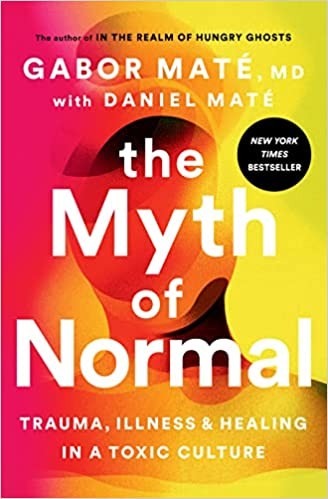
Book 1 of 3 · 2022
by Gabor Maté with Daniel Maté
Maté's book develops the documentary's claims about trauma, illness and culture in full detail.
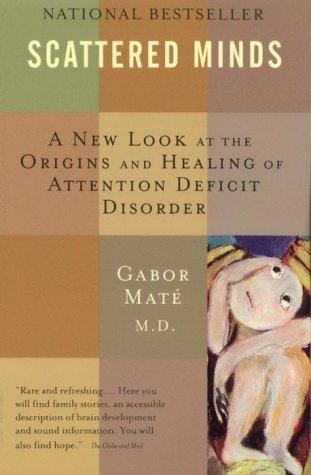
Book 2 of 3 · 1999
by Gabor Maté
Maté applies his trauma and attachment ideas to attention deficit disorder, a theme the documentary only touches.
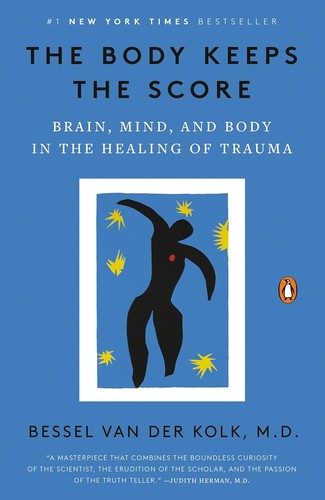
Book 3 of 3 · 2014
by Bessel van der Kolk
Van der Kolk offers a related clinical account of how trauma lives in the body, with more focus on treatments.
Store links may earn a commission.
11 cards
Question 1 of 5
In Maté's view, what is trauma?
Former Google, Facebook and Twitter insiders explain how social media is built to hold attention, mixed with a scripted family drama. For anyone who wants to understand the attention economy.
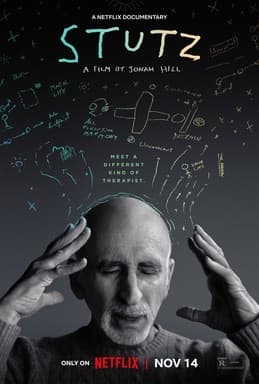
Jonah Hill's documentary about his psychiatrist, Phil Stutz, and the simple drawn tools Stutz uses to help patients handle pain, fear and change. For anyone curious about practical therapy.
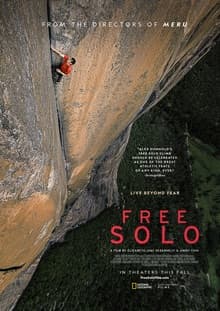
The Oscar-winning documentary about Alex Honnold's attempt to climb El Capitan without a rope. For anyone curious about fear, preparation and the cost of chasing one goal.

Documentary · 2010
Directed by Heidi Ewing, Alex Gibney, Seth Gordon, Rachel Grady, Eugene Jarecki and Morgan Spurlock
Six documentary makers adapt Levitt and Dubner's bestseller into segments on baby names, cheating in sumo, crime and abortion, and paying students for grades. For anyone who wants the book's ideas on screen.
New books, occasionally