1 h 28 min
A 2021 documentary that follows physician Gabor Maté as he argues that unhealed trauma lies beneath much addiction, mental illness and chronic disease. For readers of Maté and anyone curious about trauma-informed care.

Documentary
Directed by Heidi Ewing, Alex Gibney, Seth Gordon, Rachel Grady, Eugene Jarecki and Morgan Spurlock
2010 · 1 h 33 min · Summary updated 3 November 2026
Featuring Stephen J. Dubner
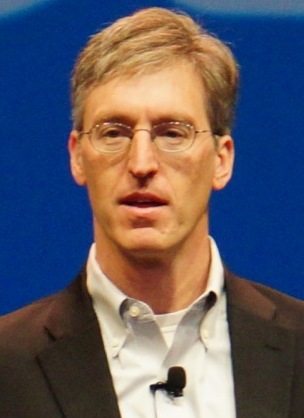 Steven D. Levitt
Six documentary makers adapt Levitt and Dubner's bestseller into segments on baby names, cheating in sumo, crime and abortion, and paying students for grades. For anyone who wants the book's ideas on screen.
Freakonomics turns Steven D. Levitt and Stephen J. Dubner's book into an anthology of short documentaries. Its single big claim is that people respond to incentives, and that data often explains behavior better than conventional wisdom. Morgan Spurlock argues that a child's name signals background more than it shapes fate. Alex Gibney uses match fixing in sumo to show how cheating hides where incentives reward it. Eugene Jarecki presents the theory that legalized abortion helped cut crime in the 1990s. Heidi Ewing and Rachel Grady follow an experiment that pays ninth graders for grades, with modest results. Critics note that the documentary leaves the authors' claims unchallenged.
The idea that ties the documentary together is that people react to incentives, often in ways that conventional wisdom misses. Levitt and Dubner appear between segments to frame each case this way. The approach is to ask who gains what from a choice, then look at the data instead of trusting what sounds obvious. Each segment applies the same test to a different topic: names, cheating, crime and school grades. The documentary presents this way of thinking as its main lesson, more than any single finding.
Seth Gordon's linking pieces use the book's example of real estate agents. A higher sale price adds only a little to an agent's commission, while a quick sale saves them time and effort. In the documentary's telling, the agent may push you to accept the first decent offer. The point reaches beyond housing: whenever an expert advises you, ask how they are paid and whether their incentive matches yours.
Morgan Spurlock's segment asks whether a distinctive first name holds a child back. Following the book, it argues that a name mostly signals the parents' income, education and community. Those background factors drive the child's outcomes, not the name itself. The segment uses street interviews and comic scenes, but its point is about method. A link between a name and an outcome is a correlation, and the documentary warns against reading it as a cause without looking for what else explains it.
Alex Gibney's segment examines match fixing, or yaocho, in Japanese sumo. Drawing on Levitt's analysis of bout records, it argues that wrestlers who badly need a win sometimes get help from opponents who need it less. Gibney links this to the American financial crisis and to frauds such as the Bernard Madoff scheme. The common pattern, in his telling, is a system that rewards a result, makes cheating hard to detect, and a culture that prefers not to look.
Eugene Jarecki's segment presents the book's most controversial claim. It argues that common explanations for the drop in American crime in the 1990s, such as new policing methods and tougher sentences, do not fully explain it. It then lays out the theory that Levitt developed with John Donohue: legal abortion after Roe v. Wade in 1973 meant fewer unwanted children, and so fewer young adults at high risk of crime about two decades later. The segment presents the theory without the counterarguments economists have raised.
Heidi Ewing and Rachel Grady follow an experiment in Chicago Heights, Illinois, that pays struggling ninth graders $50 a month for earning at least a C in every class. They track students such as Urail King over several months. The documentary presents a modest result: the money helps a few students close to the line, but most do not reach the goal. The lesson is that an incentive works only when a person can actually change the outcome, and that cash cannot replace skills and support.
Availability in the US. Services change their catalogs, so check the price on the service before you pay.
Freakonomics (released as Freakonomics: The Movie) is a 2010 documentary based on the 2005 bestseller by economist Steven D. Levitt and journalist Stephen J. Dubner. It premiered at the Tribeca Film Festival in April 2010, and Magnolia Pictures released it in theaters that fall.
The book is a set of loosely linked essays, and the documentary keeps that shape. Six well-known documentary makers each take one idea. Morgan Spurlock (Super Size Me) covers baby names. Alex Gibney (Enron: The Smartest Guys in the Room) covers cheating. Eugene Jarecki (Why We Fight) covers crime and abortion. Heidi Ewing and Rachel Grady (Jesus Camp) cover a school experiment that pays students for grades. Seth Gordon (The King of Kong) directs the short pieces that link the segments.
Levitt and Dubner appear throughout. They explain the questions, react to the findings and act as guides. The tone is light and quick, with animation, staged scenes and street interviews.
Gordon's linking pieces set up the documentary's one big claim: people respond to incentives, and if you look at the data, those incentives often explain behavior better than conventional wisdom does.
His opening example comes from the book's chapter on experts. Real estate agents, the documentary argues, do not have the same interest as the people whose homes they sell. A higher price adds only a small amount to an agent's commission, while a quick sale saves the agent time. Gordon also tells the book's story of Chicago public school teachers who changed answers on their students' standardized tests, a case where the rewards for higher scores pushed adults to cheat.
The lesson the documentary draws is that you should ask what each person in a deal gains, and check the data before you trust a claim that sounds obvious.
Spurlock's segment, "A Roshanda by Any Other Name," asks whether a child's first name shapes their future. It looks at names that are common among Black families and names that are common among white families, and at the gap in outcomes between the two groups.
The segment follows the book's argument. A distinctive name, in this telling, is mostly a signal of the parents' background: their income, education and neighborhood. Those background factors drive the child's outcomes, not the name itself. Spurlock keeps the tone playful, with interviews and comic scenes, but the point is serious. A correlation between a name and a life outcome does not prove that one causes the other.
Gibney's segment, "Pure Corruption," is about cheating, and its main case is professional sumo wrestling in Japan. Sumo presents itself as a pure and honorable sport. The segment argues, using Levitt's analysis of bout records, that some wrestlers who badly need a win to keep their rank get help from opponents who need it less. Japanese has a word for match fixing in sumo, yaocho, and the segment explores how the practice could persist in a sport built on ideas of honor.
Gibney widens the lens. The segment links sumo to the American financial crisis of the late 2000s and to frauds such as the one run by Bernard Madoff. The argument is that cheating thrives where incentives reward it, where it is hard to detect, and where a culture prefers not to look.
Jarecki's segment, "It's Not Always a Wonderful Life," takes on the book's most controversial claim. Narrated by Melvin Van Peebles and cut with clips from the 1946 classic It's a Wonderful Life, it asks why crime in American cities fell in the 1990s, when many experts had predicted it would rise.
The segment walks through the usual explanations, such as new policing methods and tougher prison sentences, and argues that they do not fully account for the drop. It then presents the theory that Levitt developed with economist John Donohue. The 1973 Supreme Court decision in Roe v. Wade made abortion legal nationwide. In the documentary's account, this meant fewer children were born into homes that did not want them or could not support them. Those children, the theory holds, would have been at higher risk of crime as young adults. About two decades later, crime fell.
Ewing and Grady's segment follows a real experiment run with University of Chicago researchers at a high school in Chicago Heights, Illinois. Struggling ninth graders are offered $50 for each month they earn at least a C in every class, plus a ride in a limousine.
The directors follow students such as Urail King over several months. The segment shows that the money is only one force in their lives, next to home, friends and habits. The documentary presents a modest result. The cash helps a few students on the margin, but most do not reach the target. The segment's lesson is that an incentive works only when a person can actually change the outcome, and that it cannot replace skills and support that are missing.
Reviews were mixed. Several critics, including Peter Rainer of The Christian Science Monitor and Marjorie Baumgarten of The Austin Chronicle, noted that the documentary presents the authors' arguments without any dissenting voices. Xan Brooks of The Guardian wrote that the short segments do not add up to a satisfying whole. On the abortion and crime theory itself, economists Christopher Foote and Christopher Goetz of the Federal Reserve Bank of Boston reported a coding error in the original study in 2005; Donohue and Levitt replied that the finding held after corrections, and the debate continues among economists.
Watch it if you want a quick, visual introduction to the ideas in Freakonomics and you like learning through stories. It suits viewers who have not read the book, or readers who want to see the cases come to life. Treat its claims as starting points for questions, since the documentary does not present the other side.
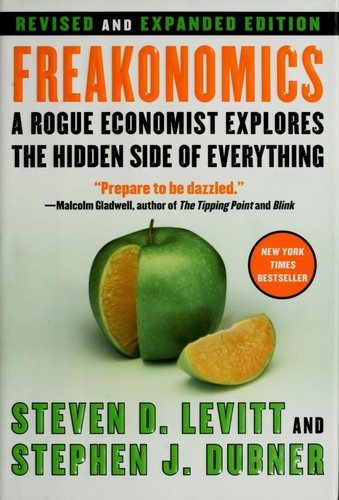
Book 1 of 2 · 2005
by Steven D. Levitt and Stephen J. Dubner
The book gives the full data and reasoning behind each segment, plus chapters the documentary leaves out.
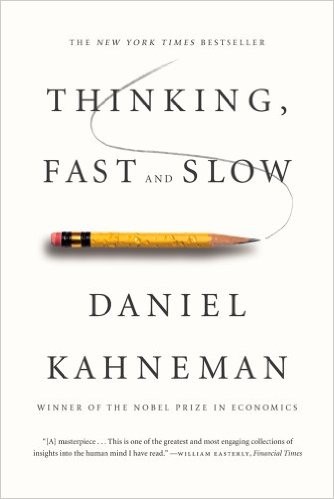
Book 2 of 2 · 2011
by Daniel Kahneman
Kahneman explains the mental shortcuts that make conventional wisdom feel true, which is why the documentary's data-first approach matters.
Store links may earn a commission.
11 cards
Question 1 of 5
What single idea links all the segments of Freakonomics?
A 2021 documentary that follows physician Gabor Maté as he argues that unhealed trauma lies beneath much addiction, mental illness and chronic disease. For readers of Maté and anyone curious about trauma-informed care.
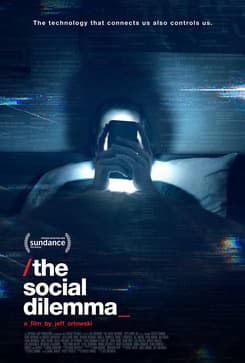
Former Google, Facebook and Twitter insiders explain how social media is built to hold attention, mixed with a scripted family drama. For anyone who wants to understand the attention economy.
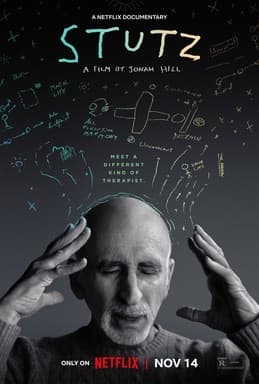
Jonah Hill's documentary about his psychiatrist, Phil Stutz, and the simple drawn tools Stutz uses to help patients handle pain, fear and change. For anyone curious about practical therapy.
Matt D'Avella's documentary follows Joshua Fields Millburn and Ryan Nicodemus, known as The Minimalists, and others who chose to own less in order to live more deliberately. For anyone who feels buried by stuff, debt or busyness.
New books, occasionally