1 h 28 min
A 2021 documentary that follows physician Gabor Maté as he argues that unhealed trauma lies beneath much addiction, mental illness and chronic disease. For readers of Maté and anyone curious about trauma-informed care.
Documentary
Directed by Elizabeth Chai Vasarhelyi and Jimmy Chin
2018 · 1 h 40 min · Summary updated 3 November 2026
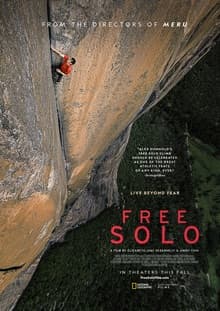
The Oscar-winning documentary about Alex Honnold's attempt to climb El Capitan without a rope. For anyone curious about fear, preparation and the cost of chasing one goal.
Free Solo follows the climber Alex Honnold as he prepares to climb El Capitan in Yosemite with no rope or protection. Directors Elizabeth Chai Vasarhelyi and Jimmy Chin show two years of rehearsal, injuries and doubt, and a first attempt that Honnold abandons. Three threads run through it: Honnold's mind and his relationship with fear, his new relationship with Sanni McCandless, and the crew's worry that their cameras might push a friend toward his death. On June 3, 2017, Honnold reaches the top in 3 hours and 56 minutes. The documentary presents the climb as the product of obsessive preparation, not a reckless stunt.
Honnold spends about two years preparing for a climb that lasts under four hours. He climbs Freerider many times with ropes, keeps journals of every move and rehearses the hardest sections until he knows them by heart. The documentary shows that what looks like daring is mostly planning. His method works for any high-stakes goal: break it into parts, rehearse each part until it is automatic and only then put it together.
An MRI shows that Honnold's amygdala, the brain region linked to fear, responds little to intense images. The documentary does not treat this as the full answer. Honnold argues that he expands his comfort zone through rehearsal: a move that terrifies him the first time feels normal after many repetitions. The point is that fear often shrinks with familiarity. Practice a frightening task in safe conditions until it becomes ordinary.
In the fall of 2016, Honnold starts the free solo, decides it does not feel right and stops. He gives up for the season. The documentary treats this as a strength. A climber who ignores his own doubts dies; a climber who listens to them gets another chance. The lesson is to set a clear rule for when you will stop, and to respect it even after a large investment of time.
Honnold's relationship with Sanni McCandless runs through the documentary. Before, his risks affected mostly himself. Now someone else will grieve if he falls. He suffers back fractures after a rope mistake during a roped climb with her. The documentary asks whether love makes a free soloist more careful or more distracted, and it lets both Honnold and McCandless speak about what they are willing to accept.
Jimmy Chin and his crew are Honnold's friends, and they fear their cameras may add pressure. They plan camera positions to stay out of his way and discuss on screen whether they might record his death. After Honnold abandons his first attempt, Chin wonders if the crew pushed him. The documentary makes the observer's influence part of the story, a useful idea for anyone who coaches, manages or reports on others.
Honnold lives in a van, trains daily and judges almost every choice by whether it helps him climb. The documentary shows both sides of this focus: it makes the climb possible, and it strains his relationships. The death of Ueli Steck, a climber Honnold knew, is a reminder of the stakes. The documentary invites viewers to ask what they would trade for one goal, and what that goal costs the people around them.
Availability in the US. Services change their catalogs, so check the price on the service before you pay.
Free Solo is a 2018 documentary directed by Elizabeth Chai Vasarhelyi and Jimmy Chin. It follows the rock climber Alex Honnold as he prepares to climb El Capitan, the granite wall of about 3,000 feet in Yosemite National Park, without a rope or any protection. This style is called free soloing: if the climber makes one mistake, he falls and dies.
The documentary premiered at the Telluride Film Festival in August 2018, won the People's Choice Award for documentaries at the Toronto International Film Festival and opened in US theaters that September. It won the Academy Award for Best Documentary Feature. National Geographic Documentary Films produced it.
Honnold has picked a route called Freerider, first climbed by Alexander Huber in 1998. He has climbed it many times with ropes. The documentary explains that it is graded 5.13a, and that no one had ever free soloed a big wall at that level of difficulty. Most of the documentary covers the two years of preparation. The climb itself comes at the end.
The documentary spends time on who Honnold is. He lives in a van and travels from cliff to cliff. He is shy, blunt and focused. He keeps journals of every climb and rehearses each sequence of moves until he knows them by heart.
He talks about his childhood. His family, he says, did not hug, and the word "love" was not used at home. He describes feeling lonely at school and carrying deep self-loathing as a young man.
In one scene, Honnold agrees to a brain scan. Researchers show him intense images while an MRI measures his brain. His amygdala, the part of the brain linked to fear, shows little response. The documentary does not claim this explains him, but it raises the question of whether he feels fear the way others do. Honnold's own view is that fear can be trained: he rehearses a move until it no longer feels frightening.
The second thread is personal. Honnold has a new girlfriend, Sanni McCandless, and the documentary follows the relationship as it grows. She is warm and open where he is reserved. She also brings a new kind of pressure. Before, Honnold had only himself to consider. Now someone else would grieve if he fell.
During a roped climb, McCandless makes a mistake with the rope as he comes down, and he falls and suffers compression fractures in his back. Later, he sprains his ankle on the lower part of Freerider. The injuries push back his plans. They also raise a quiet question that runs through the documentary: does love make a free soloist more careful, or more distracted?
The two buy a house together in Las Vegas, a step toward a settled life that sits uneasily beside his plan.
The third thread is about the people holding the cameras. Jimmy Chin and his crew are expert climbers and Honnold's friends. They plan where to hang ropes and cameras on the wall so they can record the climb without distracting him. The documentary makes their doubts part of the story. They ask on camera whether their presence adds pressure, and whether they will have to watch their friend die.
Honnold's longtime climbing partner, Tommy Caldwell, helps him prepare, including a trip to climb in Morocco. The two work on Freerider together with ropes while Honnold describes the sections that worry him. One is a pitch Honnold calls the Boulder Problem, where he plans to use an unusual move: a wide "karate kick" across a blank section of rock. Honnold rehearses it again and again on a rope.
News arrives that the Swiss climber Ueli Steck, whom Honnold knew, has died in the mountains. Honnold reflects on his own risk-taking, and Caldwell notes how little the news seems to shake Honnold.
In the fall of 2016, Honnold starts up Freerider without a rope. Low on the wall, after the smooth slab section, he decides it does not feel right and stops. He gives up for that season. Chin worries aloud that the camera crew helped push Honnold into trying before he was ready.
The documentary treats this retreat as a strength, not a failure. It shows a climber who will walk away when his mind is not right, and directors who are willing to show their own doubts.
On June 3, 2017, Honnold tries again. McCandless leaves before he starts, and the documentary records her worry. The crew takes their places. Some of them can barely watch; one camera operator turns away at the hardest moments.
The documentary shows the climb as a steady sequence: the slab at the bottom, the Boulder Problem, where Honnold makes the karate kick move, and the last pitches to the top. He reaches the summit after 3 hours and 56 minutes. He seems calm, almost plain about it. Later he talks about his future in climbing and what free soloing means to him.
The crew recorded the climb with experienced climbers on the wall, cameras on the ground and a helicopter, and Honnold carried a small sound recorder in his chalk bag. The resulting images give the documentary much of its force.
Most reviews were strongly positive and praised the climbing footage and the crew's openness about the ethics of recording a possible death. Vikram Murthi of The A.V. Club argued that the documentary's attempts to explain Honnold through his childhood feel pat, that the relationship thread is a distraction and that the final climb is too short on screen. Peter Debruge of Variety noted a slow stretch around the hour mark.
Watch it if you want to see what extreme preparation looks like and how one person manages fear. It suits anyone interested in mastery, risk or the ethics of recording someone who might die on camera.
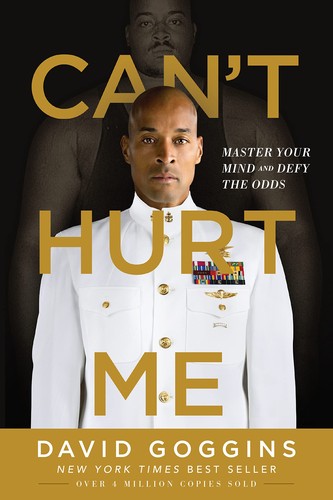
Book 1 of 3 · 2018
by David Goggins
Goggins describes training the mind to push through fear and pain, the same discipline Honnold shows on the wall.
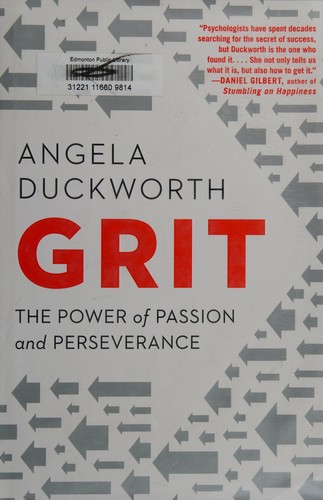
Book 2 of 3 · 2016
by Angela Duckworth
Duckworth explains the mix of passion and long practice that the documentary shows over two years of preparation.
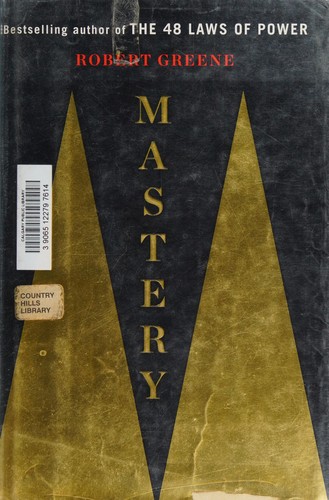
Book 3 of 3 · 2012
by Robert Greene
Greene's account of long apprenticeship and deliberate practice explains how a skill like Honnold's is built.
Store links may earn a commission.
11 cards
Question 1 of 5
What makes a free solo climb different from a normal climb?
A 2021 documentary that follows physician Gabor Maté as he argues that unhealed trauma lies beneath much addiction, mental illness and chronic disease. For readers of Maté and anyone curious about trauma-informed care.
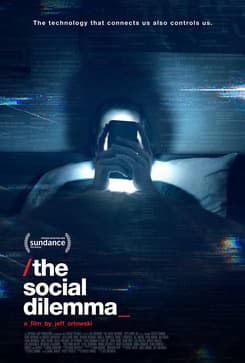
Former Google, Facebook and Twitter insiders explain how social media is built to hold attention, mixed with a scripted family drama. For anyone who wants to understand the attention economy.
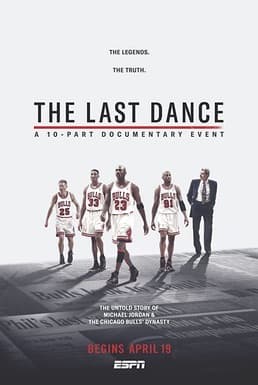
A 10-episode ESPN and Netflix docuseries on Michael Jordan and the Chicago Bulls, built around never-aired footage of their final title season. For anyone interested in drive, leadership and team dynamics.
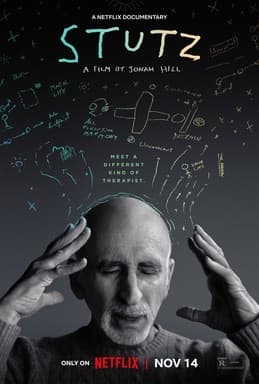
Jonah Hill's documentary about his psychiatrist, Phil Stutz, and the simple drawn tools Stutz uses to help patients handle pain, fear and change. For anyone curious about practical therapy.
New books, occasionally