
Wonder by R. J. Palacio is a novel about August Pullman, a ten-year-old boy with a facial difference who goes to school for the first time in fifth grade. For readers who want the plot, the narrators and the book's lesson on kindness.

1953 · 143 pages · Summary updated 24 October 2026
The Crucible is Arthur Miller's 1953 play about the Salem witch trials, where a girl's lies and a town's fear send innocent people to the gallows. For readers who want the plot act by act, the themes and the ending in plain words.
In Salem, Massachusetts, in 1692, a minister finds a group of girls dancing in the woods. To avoid punishment, the girls, led by Abigail Williams, accuse their neighbors of witchcraft. The court believes them. Abigail once had an affair with the farmer John Proctor and wants his wife, Elizabeth, out of the way, so she accuses her. Proctor tries to expose the lies, but the judges care more about their authority than the truth. Arthur Miller wrote the play during the anti-communist hearings of the 1950s. It shows how fear, grudges and pride turn a village against itself, and asks what a good name is worth.
Tituba confesses and names others because confession saves her from hanging. Abigail sees this and joins in, and the other girls follow. Miller shows a system where accusing is safe and denying is fatal. Once the court accepts that rule, the number of accused grows every day. The example is the end of Act 1, where Abigail, Betty and Tituba take turns calling out names, and Hale, pleased with the progress, writes them down.
Thomas Putnam wants his neighbors' land. Ann Putnam wants someone to blame for her dead babies. Abigail wants Elizabeth Proctor dead. Parris wants to protect his position. Miller shows that the witch hunt gives each of them a weapon. Giles Corey says it outright in court: a man accuses his neighbor to buy his land cheaply. The example is Rebecca Nurse, arrested for the murder of the Putnam babies because the Putnams resent her family.
Danforth believes he is serving God. He also knows that if the girls are lying, the court has hanged innocent people. So every challenge becomes an attack on the court. He orders warrants for the ninety-one people who signed a petition and tells Proctor that a person is either with the court or against it. Miller's point is that institutions under pressure defend their own record before they seek the truth. The example is Danforth's refusal to delay the last hangings.
In Puritan Salem, reputation is everything. Parris fears for his position. Proctor hides his affair to protect his name, and that silence lets Abigail act. Elizabeth, who never lies, lies to protect him. Miller shows reputation working both ways: it keeps people honest in public and makes them hide the truth. The example is Act 3, where Proctor finally confesses adultery to save his wife, and Elizabeth's loyal lie undoes the confession.
The court offers a simple deal: confess to witchcraft and live, deny it and hang. A false confession is a lie before God. Many accused people take the deal. Others, like Rebecca Nurse, refuse. Miller asks what a person owes to the truth when the truth will kill them. The example is Giles Corey, who refuses to answer at all so his land can pass to his sons, and is pressed to death under stones.
Reverend Hale arrives sure of his books and proud to find witches. By Act 3 he sees that the court is hanging innocent people, and he quits. In Act 4 he begs the condemned to lie and live. Miller shows him as the one official who changes his mind, and also as a man who cannot undo the harm he helped start. The example is his speech to Elizabeth that life is God's most precious gift, and no principle justifies taking it.
Proctor agrees to confess to save his life, then refuses to name others and refuses to let his signed confession hang on the church door. He says it is his name, and he cannot have another. He tears the paper and walks to the gallows with Rebecca Nurse. Elizabeth refuses to stop him, saying he has his goodness now. Miller ends with a man who finds his integrity only by giving up his life to keep it.
“Theology, sir, is a fortress; no crack in a fortress may be accounted small.”
“A person is either with this court or he must be counted against it, there be no road between.”
The Crucible is Arthur Miller's 1953 play about the Salem witch trials of 1692, when a group of girls in a Puritan village in Massachusetts accused their neighbors of witchcraft and the court hanged the accused who would not confess. It opened on Broadway in January 1953 and won the Tony Award for Best Play. Miller wrote it during the anti-communist hearings of the early 1950s, when the House Un-American Activities Committee pressed witnesses to name others as communists. In 1956 Miller himself was called before the committee. He refused to name names and was convicted of contempt of Congress, a conviction later overturned.
The play is based on real people and court records, but Miller changes facts for drama. The real Abigail Williams was eleven or twelve and John Proctor was about sixty. Miller makes Abigail seventeen and Proctor in his thirties, and invents an affair between them. He combines several judges into two and reduces the number of accusing girls. He explains these choices in a note at the start of the play, and adds long prose passages about the history and the characters.
A crucible is a vessel for melting metal at high heat, and also a severe test. In the play, the trials test each character's conscience under pressure.
The main characters:
The main themes are hysteria and fear, reputation and the good name, the abuse of authority, conscience, and the way private grudges use public panic.
In the spring of 1692, Reverend Parris's ten-year-old daughter, Betty, lies in bed and will not wake. The night before, Parris found a group of girls dancing in the forest with Tituba. One was naked. Rumors of witchcraft are spreading, and Parris is afraid for his reputation.
Parris questions his niece Abigail. She admits they danced but denies witchcraft. Parris asks why Elizabeth Proctor dismissed her from service and why she will not sit near Abigail in church. Abigail calls Elizabeth a cold, lying woman.
Ann and Thomas Putnam arrive. Their daughter Ruth is also sick. Ann has lost seven babies at birth, and she admits she sent Ruth to Tituba to conjure the dead babies' spirits and find out who killed them. Left alone with the girls, Abigail threatens them. If any of them says anything beyond the dancing, she will come in the night and harm them.
John Proctor enters. Abigail flirts with him. The audience learns that they had an affair while she worked in his house, which is why Elizabeth sent her away. Abigail still wants him and says he loves her. He says it is over and he will cut off his hand before he reaches for her again.
Older villagers come in and quarrel. Rebecca Nurse, the most respected woman in town, says the children will recover and warns against looking for spirits. The men argue about land, firewood and Parris's salary. Proctor says Parris preaches nothing but hellfire.
Reverend Hale arrives with heavy books on the devil. He questions Abigail, who blames Tituba. Tituba is threatened with whipping and hanging. Under pressure and leading questions, she confesses that the devil came to her, and she names two village women, Sarah Good and Goody Osburn. Abigail sees how this works and joins in, crying out that she wants the light of God and naming more women. Betty sits up and adds names. Hale is delighted. The witch hunt has begun.
Eight days later, in the Proctor farmhouse, John and Elizabeth are polite and tense. He is trying to win back her trust, and she cannot fully forgive him. News comes from town: a court has been set up, and fourteen people are in jail. Anyone who confesses lives. Anyone who denies it hangs.
Elizabeth urges John to go to Salem and tell the court that Abigail told him the dancing had nothing to do with witchcraft. He hesitates, because he was alone with Abigail when she said it, and so it is his word against hers. Elizabeth suspects he still has feelings for Abigail.
Mary Warren, their servant, returns from the court, where she is now an official witness. She gives Elizabeth a small rag doll, a poppet, that she sewed in court. She also says Elizabeth's name was mentioned, but Mary defended her.
Hale visits to test the household's faith. Proctor can name only nine of the Ten Commandments. The one he forgets is adultery. Elizabeth supplies it. Proctor tells Hale that Abigail admitted the girls were only playing. Then Giles Corey and Francis Nurse arrive. Their wives have been arrested. Rebecca Nurse is charged with murdering the Putnam babies by witchcraft.
The court clerk, Ezekiel Cheever, arrives with a warrant for Elizabeth. Abigail had a fit at dinner, and a needle was found stuck in her belly. She claimed Elizabeth's spirit put it there. Cheever finds the poppet, and in it a needle. Mary admits she made the poppet and stuck the needle in herself, with Abigail sitting next to her. The officers take Elizabeth anyway. Proctor tells Mary she will tell the court the truth.
In the meeting house, Giles Corey interrupts the court. He claims Thomas Putnam is using the trials to grab land, since the property of convicted witches can be bought cheaply. He has a witness, but refuses to name him, and Danforth arrests Giles for contempt.
Proctor brings Mary Warren to say the girls are pretending. Danforth tells Proctor that Elizabeth says she is pregnant. She will not hang until the child is born. Proctor will not drop the charge, because the other wives are still in danger. He presents a petition signed by ninety-one people vouching for Rebecca Nurse, Martha Corey and Elizabeth. Danforth orders all the signers questioned.
Mary says she only pretended to faint, but she cannot do it on command when the court asks. Abigail and the other girls then claim a cold wind is coming from Mary. Desperate, Proctor confesses that he slept with Abigail. He calls her a whore and says she wants Elizabeth dead to take her place.
Danforth tests the claim by calling Elizabeth, who has never told a lie. Proctor and Abigail must turn their backs. Asked whether her husband is a lecher, Elizabeth, trying to protect his good name, says no. Proctor cries out that he has confessed it. It is too late.
Hale now believes Proctor and begins to doubt the court. The girls scream that Mary has turned into a yellow bird and is attacking them. They mimic every word she says. Mary breaks. She turns on Proctor and accuses him of being the devil's man. Proctor is arrested. He cries that God is dead and that the judges and he will burn together. Hale denounces the proceedings and quits the court.
This section reveals the ending.
It is autumn, months later, in the Salem jail. Twelve people have already hanged. Parris reports that Abigail has fled with Mercy Lewis and his savings. There are rumors of rebellion against the court in nearby Andover. Someone left a dagger at Parris's door. Reverend Hale has returned to beg the condemned to confess falsely and save their lives.
Danforth refuses to postpone the hangings. Pardoning the last seven would make the first twelve look like murders. The court sends Elizabeth to persuade John to confess. Elizabeth tells him that Giles Corey has died. He refused to answer the charge, so they laid stones on his chest to force a plea. He said only, "more weight," and died. She tells John that she forgives him and that she was a cold wife who made him lonely. She tells him the decision is his alone.
Proctor agrees to confess to save his life. He does not feel he is a saint like Rebecca. But Danforth wants him to name others and to sign the confession so it can hang on the church door. Proctor refuses to name anyone. He signs, then will not hand over the paper. He has given them his soul, he says. He asks them to leave him his name. When Danforth insists, Proctor tears up the confession.
He goes to the gallows with Rebecca Nurse. Hale begs Elizabeth to change his mind. She refuses. He has his goodness now, she says, and God forbid she take it from him. The drums roll as the sun rises.
A note at the end gives the history. Twenty years later, the government paid compensation to the victims still living and their families. Some accusers were never heard from again. The power of theocracy in Massachusetts was broken.
The play's first reviews were mixed. Some critics called it cold and too obviously political. It became Miller's most performed play and a standard school text. The main debate is the McCarthy allegory: critics such as Robert Warshow argued that the comparison is unfair, since there were no witches but there were real communists. Historians also note Miller's changes, especially the invented affair and Abigail's age, and modern readers question how the play blames a seventeen-year-old girl for a panic run by adult men. Miller's answer was that the play is about how fear lets authority turn private grudges into public law.
Read it if you are studying the play, the Salem trials or the McCarthy era. It suits anyone interested in mass hysteria, the pressure to conform and what it costs to keep your conscience.
12 cards
Question 1 of 5
What does Parris find the girls doing in the woods?
John Proctor, in jail, agrees to confess to witchcraft to save his life. When the court wants him to name others and post his signed confession on the church door, he refuses and tears it up, saying he cannot give up his name. He goes to the gallows with Rebecca Nurse. Elizabeth refuses to stop him.
Wonder by R. J. Palacio is a novel about August Pullman, a ten-year-old boy with a facial difference who goes to school for the first time in fifth grade. For readers who want the plot, the narrators and the book's lesson on kindness.

Ugly Love is Colleen Hoover's romance about Tate Collins, a nursing student who agrees to a no-strings affair with a guarded airline pilot, Miles Archer, whose past is a closed door. For readers who want a steamy, emotional love story with a heartbreaking backstory.
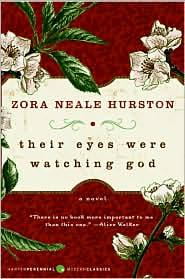
Zora Neale Hurston's novel about Janie Crawford, a Black woman in early 1900s Florida who moves through three marriages in search of real love and her own voice. For readers who want the plot, the themes and the meaning of the title.
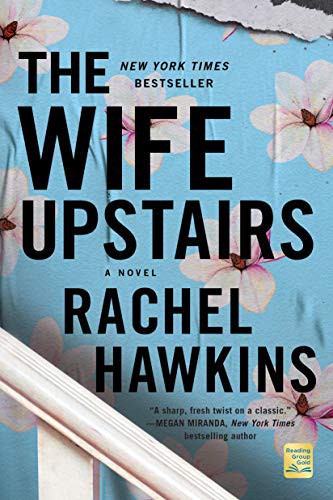
The Wife Upstairs is Rachel Hawkins's 2021 thriller that retells Jane Eyre in a wealthy Alabama suburb, where a broke dog walker falls for a widower whose wife vanished on a lake. For readers who like twisty domestic suspense.
New books, occasionally