
Wonder by R. J. Palacio is a novel about August Pullman, a ten-year-old boy with a facial difference who goes to school for the first time in fifth grade. For readers who want the plot, the narrators and the book's lesson on kindness.
2014 · 336 pages · Summary updated 24 October 2026
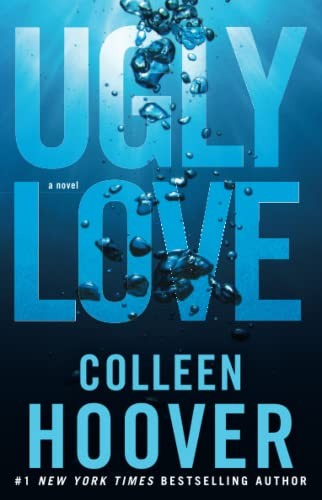
Ugly Love is Colleen Hoover's romance about Tate Collins, a nursing student who agrees to a no-strings affair with a guarded airline pilot, Miles Archer, whose past is a closed door. For readers who want a steamy, emotional love story with a heartbreaking backstory.
Tate Collins moves into her brother's San Francisco apartment to study nursing. On her first night she finds his neighbor, pilot Miles Archer, drunk in the hallway. The attraction is instant, and Miles offers a deal with two rules: never ask about his past, and never expect a future. Tate agrees, then falls for him. Her chapters alternate with Miles's account of what happened six years earlier, when he fell in love with a girl named Rachel. As the present-day affair grows painful, the past story moves toward the loss that shut Miles down. Hoover's argument is that love can be ugly before it heals, and that grief kept secret poisons new love.
Miles tells Tate never to ask about his past and never to expect a future. On the surface, these are rules for a casual affair. Hoover shows they are really a way to keep him from feeling anything. Every time Tate gets close, the rules push her back. The example is how he reacts when she admits her feelings: he does not argue, he simply repeats the rules.
The book alternates Tate's present with Miles's story from six years earlier. The young Miles feels everything, while the adult Miles shows nothing. Hoover uses the gap to build suspense. The reader knows something terrible separates the two versions of him but does not know what. His past chapters are written in short broken lines, so the form itself shows that he is damaged.
Tate keeps going back to Miles even though the arrangement hurts her. She hopes he will change, and she reads every small sign of care as proof. Hoover does not pretend this is healthy. The title names it plainly. The example is Tate's hope after Miles shows jealousy over a classmate, followed by his cold reminder that nothing has changed between them.
Miles has never talked about what happened. Because he hides it, Tate cannot understand him, and he cannot accept love from her. Hoover argues that grief kept secret does not stay in the past. It shapes how a person drinks, sleeps and loves. The example is the name Rachel, which Miles mumbles drunk on the first night and then refuses to explain.
Cap, the eighty-year-old elevator attendant, becomes Tate's closest friend in San Francisco. He is blunt, funny and honest, and he gives her the advice she least wants to hear. Hoover uses him as the book's moral center. He shows Tate that she deserves more than Miles is offering, and later he is part of the novel's happiest moment. Hoover suggests that real friendship can come from any age.
Rachel became Miles's stepsister when their parents secretly married, and she was pregnant with his child. On the way home from the hospital after their son, Clayton, was born, their car went into a lake and the baby drowned. Miles blamed himself, and Rachel left. Hoover makes this the reason for everything in the present. The rules, the drinking and the distance all come from a young man who decided never to love again.
Miles visits Rachel and sees that she has rebuilt her life with a husband and a daughter. Her survival shows him that he can survive too. He then tells Tate the whole story. Hoover's point is that the relationship can only become real once Miles is honest. The proposal in the plane, with Cap on board, marks the end of the rules.
Ugly Love is a romance novel by Colleen Hoover, published in 2014. It was one of the books that built her large following, and it found a second wave of readers years later on social media. It is a story about a sexual arrangement that turns into love, and about a man who has not let himself feel anything for six years.
The book alternates between two narrators and two timelines. Tate Collins tells the present-day story in ordinary prose. Miles Archer tells a story set six years earlier, when he was eighteen. His chapters are written in short, broken lines, almost like verse. The style signals that something in his past broke him, and the reader learns what it was slowly.
Tate is 23. She moves from San Diego to San Francisco to work on a nursing degree and to work shifts at a hospital. To save money, she moves into the high-rise apartment of her older brother, Corbin, an airline pilot who is often away on trips. Corbin is protective of her, sometimes too protective.
On her first night, Tate finds a man passed out drunk in the hallway outside the apartment. He is Miles Archer, Corbin's neighbor and fellow pilot. He is barely conscious and mumbles the name "Rachel." Tate has no idea who Rachel is. She helps him inside and is unsettled by how attractive she finds this stranger.
The building also gives Tate her first real friend in the city: Cap, an eighty-year-old elevator attendant. Cap is blunt, funny and wise. He has seen everyone in the building come and go, and he becomes the person Tate goes to for advice. His conversations with her are some of the warmest scenes in the book.
Miles and Tate keep running into each other. He is quiet, private and polite, and he never mentions a girlfriend. The tension between them grows. After an evening when they finally kiss, Miles makes his position clear. He wants a physical relationship with no emotional commitment.
He sets two rules:
Tate agrees. She tells herself she is too busy with school and work for a real relationship anyway. The arrangement is sexual, frequent and, at first, easy. The book is frank about sex and returns to it often.
The arrangement does not stay easy. Tate starts to want more. She wants to know who Rachel is, why Miles drinks, why he keeps her at a distance after they sleep together. Each time she gets close, he pulls back. When she sees signs that he cares for her, like jealousy over a male classmate, she hopes his walls are coming down. When she tells him she has feelings for him, he reminds her of the rules.
This is the "ugly love" of the title. Tate keeps going back to a relationship that hurts her because she hopes it will change. Miles keeps taking what she offers while refusing to give anything back that would make him vulnerable. Both know it is not healthy. Neither can stop.
The affair also has to stay hidden. Corbin is Miles's friend and Tate's protective older brother, and both of them expect he will not approve. Tate and Miles keep it from him. The secrecy adds to the strain. Tate cannot talk about the relationship with her family, and she cannot ask Miles about the one thing she most wants to know.
Cap becomes the only person she can talk to. He listens and then tells her plainly what he sees: a young woman giving a great deal to a man who gives very little back. He does not tell her what to do, but he asks the questions she avoids. Tate's talks with Cap are the moments when she sees her situation most clearly.
Miles, for his part, is not cold in the way a villain would be. He is kind to Tate in small ways, protective when she is upset and clearly affected by her. That is what makes the arrangement so hard to leave. Tate can see that he cares. She cannot understand why he will not let himself admit it. Hoover keeps the reader in the same position, close enough to Miles to see his pain but locked out of its cause.
Miles's chapters tell a different story. Six years earlier, he was a high school senior. His mother had died, and he believed his father had been seeing another woman while she was sick. A new girl arrives at his school: Rachel. Miles falls for her at once, and hard. His chapters about her are full of the total, consuming love of a first relationship.
These chapters are the opposite of the present day. The young Miles feels everything. The adult Miles feels nothing, or makes sure no one sees it. The gap between the two is the mystery the book asks the reader to solve: what happened to turn one into the other?
As the past story moves forward, it becomes clear that something terrible is coming. Hoover lets the two timelines converge slowly, so that the reader understands the present-day Miles just as Tate is ready to give up on him.
Grief that will not speak. Miles has buried a loss so deep that he cannot talk about it. His rules are not cruelty for its own sake. They are a way to keep his grief locked away. Hoover shows how unspoken grief damages every relationship that comes after it.
Love that hurts. Tate's love for Miles is real, and it costs her. The book does not pretend the arrangement is good for her. It shows a woman choosing pain because she hopes it will turn into something else.
First love and its loss. Miles's teenage chapters show how a first love can feel like a whole world. Losing it can feel like losing the world too.
Honesty. The relationship cannot change until Miles tells the truth. The book argues that intimacy without honesty is only physical.
Friendship and wisdom. Cap is the novel's moral center. He gives Tate the plain advice she does not want to hear, and he shows that kindness from an unexpected person can matter a great deal.
This section reveals the twist in Miles's past.
Rachel is the daughter of the woman Miles's father has been seeing. Miles and Rachel fall in love anyway, and Rachel becomes pregnant. When they tell their parents, the parents reveal that they have secretly married. Miles and Rachel are now stepsiblings. The families are shocked and angry, but the two teenagers stay together. They graduate and move into family housing at college.
Rachel gives birth to a son, Clayton. On the way home from the hospital, their car goes into a lake. Miles gets Rachel out, but he cannot save the baby. Miles blames himself. Rachel is unable to stay with him after the loss, and she leaves. Miles shuts down. He has spent the six years since refusing to love anyone, because loving Rachel and Clayton led to the worst pain of his life.
This is the past he forbade Tate to ask about. It explains the drinking, the rules and the name he mumbled in the hallway.
This section reveals the ending.
Tate finally decides she cannot keep living by Miles's rules. She ends the arrangement and moves into her own apartment. They stop speaking. Corbin learns about the affair.
With encouragement from Corbin and Ian, Miles goes to see Rachel for the first time in years. She has built a new life. She is married, has a daughter and has found happiness again. Seeing that she survived helps Miles believe that he can too.
Miles goes to Tate and tells her the whole story of Rachel and Clayton. Then he takes Tate and Cap up in a plane and proposes. In the epilogue, Tate and Miles are married and have a daughter, whom they name after Cap.
Some readers find the relationship troubling, because Tate accepts long emotional neglect in the hope that a man will change. Others find Miles's fragmented chapters hard to read or too dramatic. Fans point to the same chapters as the book's emotional core.
Read it if you want an intense, steamy romance with a slow reveal of a painful past. It includes frequent sex scenes and the death of a baby, so it suits adult readers who are ready for heavy grief alongside the romance.
12 cards
Question 1 of 5
Why does Tate move into Corbin's apartment?
Tate ends the arrangement and moves out. Miles visits Rachel, the girl he loved at eighteen, and finds she has married and healed after the death of their baby son. He then tells Tate the whole story and proposes to her in a plane, with Cap on board. The epilogue shows them married with a family.
At eighteen, Miles fell in love with Rachel, who became his stepsister when their parents secretly married. She became pregnant, and their newborn son, Clayton, died when their car went into a lake on the way home from the hospital. Miles blamed himself, Rachel left, and he spent six years refusing to love anyone.
Wonder by R. J. Palacio is a novel about August Pullman, a ten-year-old boy with a facial difference who goes to school for the first time in fifth grade. For readers who want the plot, the narrators and the book's lesson on kindness.
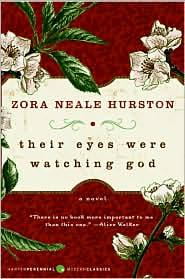
Zora Neale Hurston's novel about Janie Crawford, a Black woman in early 1900s Florida who moves through three marriages in search of real love and her own voice. For readers who want the plot, the themes and the meaning of the title.
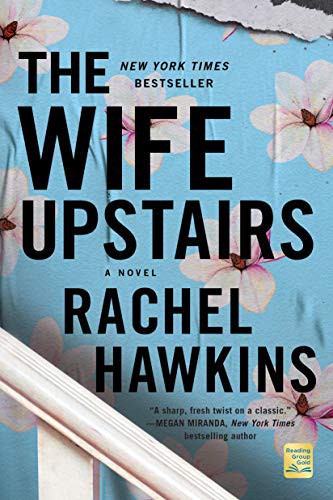
The Wife Upstairs is Rachel Hawkins's 2021 thriller that retells Jane Eyre in a wealthy Alabama suburb, where a broke dog walker falls for a widower whose wife vanished on a lake. For readers who like twisty domestic suspense.
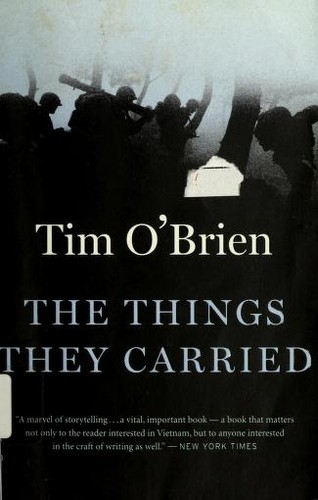
Tim O'Brien's linked stories about a platoon of American soldiers in Vietnam, told by a narrator named Tim O'Brien who keeps asking what a true war story is. For readers who want the stories in order and what the book says about memory and truth.
New books, occasionally