
Wonder by R. J. Palacio is a novel about August Pullman, a ten-year-old boy with a facial difference who goes to school for the first time in fifth grade. For readers who want the plot, the narrators and the book's lesson on kindness.
2000 · 200 pages · Summary updated 24 October 2026
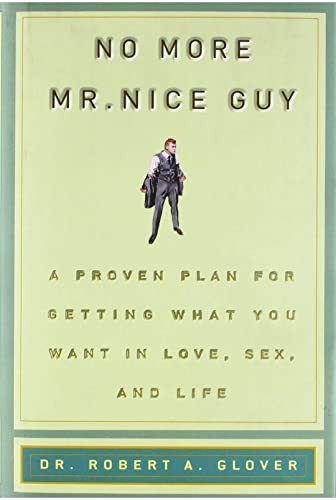
Robert A. Glover's No More Mr. Nice Guy describes Nice Guy Syndrome: men who seek approval, hide flaws and put others first, then feel resentful. For men stuck in people-pleasing who want more honest relationships.
Glover, a therapist, describes the Nice Guy: a man who believes that if he is good, giving and hides his flaws, he will be loved, get his needs met and have a smooth life. It does not work. Nice Guys make covert contracts, giving in order to get, and then feel resentful when nobody pays them back. Glover traces the pattern to childhood experiences that taught boys they were not acceptable as they were, which he calls toxic shame. Recovery means making your own needs a priority, setting boundaries, building friendships with men, facing fear and telling the truth. The goal is not to become a jerk but an Integrated Male.
Glover describes the belief at the heart of Nice Guy Syndrome: if I am good, I will be loved, get my needs met and have a problem-free life. Nice Guys hide flaws, avoid conflict and put others first to earn love. Glover argues that this makes them dishonest and resentful. Their niceness is a strategy to get something back, not free giving, and other people sense it.
A covert contract is an unspoken deal: I will do this for you so that you will do that for me. A Nice Guy might cook dinner or listen patiently while expecting affection, sex or approval in return. The other person never agreed to the trade. When payment does not come, he feels cheated and acts out with sulking, sarcasm or anger. The fix is to ask directly or give freely.
Glover separates caretaking from real caring. Caretaking is giving that serves the giver's need: to be needed, to avoid guilt or to create an obligation. Caring is giving with no hidden bill. Nice Guys often caretake partners, friends and coworkers, then feel used. Glover suggests checking the motive before giving: if you would resent getting nothing back, the gift is a covert contract.
Children interpret what happens to them as a judgment on their worth. When a parent is absent, neglectful, angry or emotionally needy, a boy concludes that something is wrong with him. Glover calls these experiences abandonment and the resulting belief toxic shame. To survive, the boy hides his needs and seeks approval. Those strategies made sense for a child but trap the adult.
Nice Guys learned that having needs was dangerous, so they hide them and hope others guess. Glover argues that putting your own needs first is healthy, not selfish. A man who meets his own needs and asks clearly for help does not need covert contracts and does not resent people. Practical steps: name the need, ask directly, accept a no and find another way.
Nice Guys try to feel safe by controlling everything, which keeps them anxious. Glover's alternative is personal power: confidence that you can handle what comes. His tools include surrendering control over what you cannot change, acting in spite of fear, setting boundaries and deciding what you believe is right and doing it. Each act of integrity shows a man he can survive disapproval.
Glover argues that many Nice Guys are isolated from other men and seek their company and approval mainly from women. He strongly recommends a men's group or therapy group as a safe place to reveal flaws and be accepted. He also tells readers to build real friendships with men and find male mentors. Being seen by others without rejection weakens toxic shame.
Recovery does not mean becoming a jerk. Glover's goal is the Integrated Male: a man who accepts himself, takes responsibility for his needs, tells the truth and sets limits. He can be kind without being a doormat and strong without being cruel. In relationships, this means two people who each take care of their own needs instead of trading favors in secret.
Robert A. Glover is a marriage and family therapist who practiced for many years in the Seattle area. Over years of practice he kept meeting the same kind of man. These men were generous, helpful and eager to please. They avoided conflict and tried hard to do everything right. Yet they were frustrated, resentful and often unhappy in love and work. Glover called the pattern the Nice Guy Syndrome. He first published No More Mr. Nice Guy himself as an e-book in 2000, and a print edition from Running Press followed a few years later.
At the center of the syndrome is a belief Glover calls the Nice Guy paradigm: if I am good, then I will be loved, get my needs met and have a problem-free life. Nice Guys try to become what they think others want. They hide anything that might cause disapproval. They believe that this will earn them love and ease.
Glover argues that it does the opposite. Hiding real needs and feelings makes these men dishonest, even when they think of themselves as honest. Their niceness has a hidden purpose: it is a strategy for getting something back.
He lists common traits of Nice Guys:
One of Glover's best-known ideas is the covert contract. A covert contract is an unspoken deal: I will do this for you, so that you will do that for me, and we will both act as if there is no deal. The Nice Guy is often unaware that he has made it.
A Nice Guy might do the dishes, plan a thoughtful date or listen patiently to a friend's problems. Under the surface he expects affection, sex, approval or loyalty in return. The other person never agreed to the trade. When the payment does not come, he feels cheated. That resentment comes out as sulking, sarcasm, withdrawal or sudden bursts of anger.
Glover connects covert contracts to the difference between caretaking and real caring. Caretaking is giving that comes from the giver's own need: to be needed, to avoid guilt or to create an obligation. Caring is giving freely, with no hidden bill. Recovery means noticing covert contracts and either asking directly for what you want or giving without expecting a return.
Glover traces the syndrome to childhood. Children are completely dependent, and they interpret everything that happens to them as a statement about their own worth. When a parent is absent, neglectful, angry or emotionally needy, the child does not conclude that the parent has a problem. He concludes that something is wrong with him.
Glover calls these experiences abandonment, using the word broadly. It includes physical absence but also emotional neglect, abuse and being used to meet a parent's emotional needs. The child develops toxic shame: a belief that he is not acceptable as he is. To survive, he learns to hide his needs, be good and seek approval. These strategies are logical for a child. They become a trap for an adult.
Glover also points to social change. He argues that industrialization took many fathers out of the home, leaving boys raised mostly by women, with few close models of adult men. He says that some men who came of age after the 1960s tried to define themselves against their fathers and to please women by being unlike traditional men. In his view this produced a generation of men who equate being good with being agreeable.
Some Nice Guys describe a close, enmeshed bond with their mother, in which they felt responsible for her happiness. Glover sees this as another form of abandonment: the boy's own needs came second to the parent's.
Each chapter of the recovery program ends with exercises Glover calls Breaking Free Activities. They ask readers to write lists, notice patterns in their daily behavior and try small experiments, such as asking for something directly or saying no. Glover argues that insight alone does not change a Nice Guy. New behavior does, practiced in small steps.
The recovery program starts with the man himself. Glover tells Nice Guys to stop seeking approval. That means noticing when they act to please, and asking what they would do if no one were watching.
He asks readers to accept themselves as they are, flaws included. Hiding mistakes keeps toxic shame alive. Revealing yourself to safe people, and seeing that they do not reject you, weakens it. For this reason Glover strongly recommends a men's group or a therapy group. In his view, Nice Guys are often isolated from other men and need a safe place to tell the truth about themselves.
He also tells them to take care of their bodies, spend time alone, have fun and do things just because they enjoy them.
Nice Guys learned that having needs was dangerous. So they hide their needs, try to meet them indirectly and feel like victims when no one guesses them. Glover argues that the opposite is healthy: put your own needs first and ask for what you want clearly.
This is not selfishness. A man who takes responsibility for his own needs does not need covert contracts and does not resent the people around him. He can then give freely. Glover lists practical steps: name a need, ask directly, accept a no and take care of the need some other way.
Glover describes personal power as a state of mind: being confident that you can handle whatever comes. Nice Guys try to create safety by controlling everything around them, which fails and keeps them anxious.
His recovery tools for this stage include:
Glover argues that Nice Guys are often disconnected from their masculinity. They see other men as competitors or as aggressive and crude, and they seek the company of women. He tells them to build real friendships with men, find male mentors, join activities with other men and take care of their physical strength.
He is clear that this does not mean becoming aggressive or dismissive of women. He describes masculinity as strength, courage, leadership and the willingness to take responsibility.
The last three chapters apply the program to three areas, in order: "Get the Love You Want," "Get the Sex You Want" and "Get the Life You Want." Glover says Nice Guys often choose partners who need fixing, sometimes called projects, because being needed feels safe. These relationships stay stuck. Healthy relationships, he argues, come from two people who each take responsibility for their own needs.
On sex, Glover argues that many Nice Guys carry shame about their desires and try to earn sex through good behavior. He discusses compulsive habits, including heavy use of pornography, and encourages men to take responsibility for their own sexual needs and talk about them openly with a partner.
Finally, he encourages Nice Guys to pursue the life and work they want, take risks and stop waiting for permission. The goal of recovery is the Integrated Male: a man who accepts himself, takes care of his needs, can be kind without being a doormat and can be strong without being cruel.
The book rests on Glover's clinical experience rather than controlled research, and terms like Nice Guy Syndrome are not clinical diagnoses. Critics say its account of masculinity relies on broad gender stereotypes, and that its explanation of social change places much of the blame on mothers, absent fathers and feminism. The book is widely shared in online men's communities, including some hostile to women, although Glover tells readers not to become jerks. Many readers of any gender say the advice on people-pleasing, covert contracts and boundaries applies to them.
Read it if you recognize yourself as a chronic people-pleaser who gives in order to get and then feels resentful. Treat its gender theory with caution, and focus on the practical tools for honesty and boundaries.
11 cards
Question 1 of 5
What is a covert contract in No More Mr. Nice Guy?
Wonder by R. J. Palacio is a novel about August Pullman, a ten-year-old boy with a facial difference who goes to school for the first time in fifth grade. For readers who want the plot, the narrators and the book's lesson on kindness.

Unlimited Memory by Kevin Horsley teaches the techniques memory champions use, from the SEE principle to the memory palace, in a short practical guide. For students and professionals who want to learn faster and remember more.

Ugly Love is Colleen Hoover's romance about Tate Collins, a nursing student who agrees to a no-strings affair with a guarded airline pilot, Miles Archer, whose past is a closed door. For readers who want a steamy, emotional love story with a heartbreaking backstory.

Zora Neale Hurston's novel about Janie Crawford, a Black woman in early 1900s Florida who moves through three marriages in search of real love and her own voice. For readers who want the plot, the themes and the meaning of the title.
New books, occasionally