
Wonder by R. J. Palacio is a novel about August Pullman, a ten-year-old boy with a facial difference who goes to school for the first time in fifth grade. For readers who want the plot, the narrators and the book's lesson on kindness.
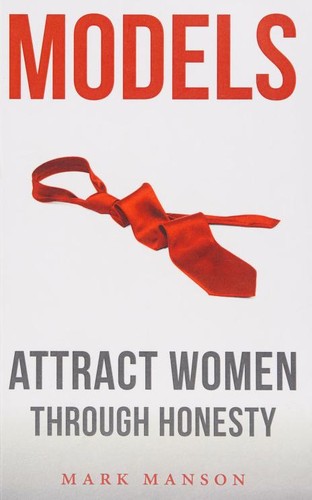
by Mark Manson
2011 · 306 pages · Summary updated 24 October 2026
Models by Mark Manson is a dating guide for men that replaces pickup tactics with honesty: become non-needy, show vulnerability, polarize, and build a life worth sharing.
In Models, Mark Manson argues that men fail with women because of neediness: they care more about her opinion of them than their own. Pickup lines only hide it. The fix is to become less invested in approval, then show desire openly. That takes vulnerability, the willingness to risk rejection. Honest moves polarize: some women come closer and some leave, which sorts good matches fast. Manson builds the rest on three fundamentals. Honest living sets the quality of women a man attracts, honest action sets how many he meets, and honest communication sets how fast he finds the right ones.
Manson defines neediness as caring more about what others think of you than what you think of yourself. A needy man changes his opinions to match hers, laughs at jokes he does not find funny, and hides interests he fears she will judge. Boasting and pickup routines are neediness too, since each tries to manage her impression. Manson argues that attractiveness falls as neediness rises, so fixing it matters more than any line.
Manson calls seduction getting a woman as invested in you as you are in her. Showing desire is attractive, but it can also look needy. Pickup solves this with tricks that make a man seem less invested, such as replying late. Manson says to actually become less invested in her approval. Then desire reads as confidence. Faked indifference fails, because it is still an attempt to control her impression.
Manson defines vulnerability as taking social, physical and emotional risks: saying what you think, showing interest, accepting disagreement. Only a man who can survive a no will risk one, so vulnerability proves non-neediness. Telling a woman plainly that you came over because you find her attractive is vulnerable. Manson warns that dropping old defenses brings more rejection for a while.
Manson sorts women into receptive, neutral and unreceptive. Leave the unreceptive alone. With neutral women, take a bold, genuine action that forces a clear reaction, such as a direct compliment, a tease or an invitation. Some move closer and some leave. A man who pleases everyone gets lukewarm reactions from all of them. A man who never shows interest ends up in the friend zone.
Manson argues that most rejections come from circumstances: she has a partner, she is busy, or you do not fit. A rejection does not measure your worth. Your ability to handle failure decides how much success you get, because it decides how often you try. He also redefines success. It is not a count of partners. It is a happier dating life with the women you actually prefer.
The second half of the book rests on three fundamentals. Honest living, your lifestyle and values, sets the quality of women you attract. Honest action, your courage, sets how many women you meet. Honest communication sets how efficiently you find compatible ones. Manson says anxious men usually need more action, while disconnected men need a fuller life and better skills. Progress in one helps the others.
Manson's theory of demographics says like attracts like: people pair most easily with partners of similar education, interests and success. So decide which women you want to meet and what relationship you want. Then build a life that puts you near them. A man who wants a partner who loves art will not meet her in nightclubs. Leading a group in your own hobby also builds visible social proof.
Manson asks men to examine the stories they tell themselves, such as "women do not like guys like me." He names three defenses that dodge fear: the blame game, apathy and avoidance, and intellectualizing. His cure is incremental exposure. First ask a stranger for the time. Next ask how her day is going, then start a real conversation, then ask someone out. When unsure, take the bolder action.
Models: Attract Women Through Honesty is a dating book for men by Mark Manson, first self-published in 2011. Manson wrote it as a dating coach and blogger, years before his 2016 bestseller on not caring about the wrong things made him a mainstream author. He came out of the pickup artist world of the 2000s, where men traded scripted openers, routines and tricks for getting women's attention.
Models is his break with that world. Manson argues that lines and routines treat the symptom, not the cause. A man who memorizes a script can get a reaction, but he stays anxious and fake underneath. Women sense the gap, the results do not last, and the man never learns why he struggles.
The title points to Manson's claim that modern men lack a model of an attractive man, and that without one they are lost. Old ideas of masculinity no longer fit, and pickup offers only a costume. So the book does not hand the reader a script. It gives him principles to build his own style. Manson's short version: seduction is about who you are more than what you say.
The book has five parts:
Manson writes for heterosexual men. He presents the core ideas as general truths about self-respect, and many readers take them that way.
Manson starts with what he believes attracts women. He puts perceived status at the center. He argues that status comes from behavior and potential, not only from money or looks. How a man carries himself tells a woman more than his job title.
He then separates performed confidence from real confidence. Showing off, seeking attention and trying to dominate a room are performances, and they backfire over time. Real confidence means a man cares more about his own judgment of himself than about anyone else's. It cannot be faked.
This leads to the book's central idea, neediness. Manson defines it as placing a higher priority on what others think of you than on what you think of yourself. A needy man changes his opinions to match hers. He laughs at jokes he does not find funny and hides interests he fears she will judge. Manson argues that a man's attractiveness falls as his neediness rises.
He measures this with investment: how much a man changes his behavior, schedule or hobbies for someone else. In Manson's terms, seduction is the process of getting a woman as invested in you as you are in her. That creates the investment paradox. Showing desire is attractive, but showing desire can also look needy. Pickup tries to solve the paradox with tactics that make a man look less invested. Manson argues for the other route: actually become less invested in her approval, so desire comes across as confidence. Acting aloof does not count. Faking indifference is still an attempt to manage her impression.
He also warns against men who treat women as objects or trophies to prop up a weak sense of self. That gives a short burst of confidence and no real change.
The answer to the paradox is vulnerability, which Manson treats as power, not weakness. He defines it as willingness to take social, physical and emotional risks: say what you think, show interest, accept disagreement. Vulnerability proves non-neediness, because only a man who can survive a no will risk one. Manson warns that the change hurts at first. A man who drops his old defenses gets rejected more for a while.
The last chapter of Part I, "The Gift of Truth," argues that women respond to the intent behind words more than to the words. A pickup line fails because she senses it is insincere. Honest interest works because it shows he is willing to be rejected. Manson also introduces friction, when attraction exists but values or circumstances keep it from going anywhere, and projection, when a woman's own history shapes how she reads a man. Neither is a verdict on his worth.
Manson sorts the women a man is drawn to into three groups: receptive, neutral and unreceptive. Receptive women are already interested. Unreceptive women will not be, and he should leave them alone, along with women in relationships. The neutral group is where the work is.
Polarization is the tool for the neutral group. A man takes a bold, genuine action, such as an honest compliment, a tease or a direct invitation, that forces a clear reaction. Some women move toward him and some move away. Manson argues this is good. A man who tries to please everyone gets lukewarm reactions from all of them. Strong reactions in both directions sort good matches from poor ones fast. A man who meets receptive or neutral women but never shows interest lands in the friend zone, which Manson treats as a result of his own caution, not her cruelty.
He reframes rejection as information. Most rejections, he argues, come from circumstances: she has a boyfriend, she is busy, they do not fit. A man's ability to handle failure decides how much success he gets. Manson also redefines success. It is not a count of partners. It is a happier dating life with the women he actually prefers.
The part ends with the three fundamentals, which organize the rest of the book:
Manson notes that most struggling men fall into two groups. Some are socially anxious and need action. Others are socially disconnected and need a better life and better skills. Progress in one fundamental helps the others.
Manson's theory of demographics says that like attracts like. People pair up most easily with partners of similar education, looks, interests and success, because similarity reduces friction. So a man should first decide which women he wants to meet and what kind of relationship he wants with them. Then he should go where those women are. A man who wants a woman who loves art and travel will not find her by spending every weekend in nightclubs.
He argues that being attractive beats saying attractive things. A man with work he cares about, good friends and real interests has more to offer and less reason to be needy. Manson encourages men to build status inside their own circle, for example by becoming a leader or organizer in a hobby they love. This creates social proof: other people's respect that a woman can see.
On presentation, he names the two F's, fashion and fitness. Clothes that fit, basic grooming and regular exercise are within any man's reach. He adds body language: posture, eye contact and a steady voice. He argues that style and grooming matter more to most women than a man's height or build.
Part IV is about the fear that stops men from acting. Manson asks the reader to examine his stories: the beliefs about himself and women he picked up in the past. Examples include "women do not like guys like me" or "approaching a stranger is creepy." He argues these beliefs come from experience and habit, not fixed nature, so they can change.
He names three defense mechanisms men use to avoid fear:
His cure is incremental exposure. A man starts with small, low-stakes steps, such as asking a stranger for the time. Then he asks how her day is going, then starts a real conversation, and finally asks someone out. Each step lowers the anxiety of the next. Manson treats courage as a habit that grows with use. His rule of thumb: when unsure, take the bolder action.
The last part turns practical. Manson repeats that a woman hears a man's intentions more than his words. A plain opener with clear intent, such as introducing himself and saying he wanted to meet her, beats a clever line.
He describes two flirting styles that build tension through playful uncertainty: teasing, which is light, joking provocation, and boldness or leading, where he invites her into what he is doing. He also covers emotional connection. Share your own feelings and stories first, then relate to her feelings rather than her facts. For conversation, he teaches simple tools: cold reading (make a guess about her as a statement instead of asking a question), humor and short stories about yourself.
On the dating process, his advice is concrete. Avoid lunch or afternoon first dates, which carry little romantic charge, and aim for the evening. Skip movies for the first dates, since you cannot talk. Plan an active date with two to four stops, such as drinks and then a walk or a show, and take the lead on plans.
On physicality and sex, he argues that touch should start early and naturally, through playful contact such as a high five, and grow from there. Escalation works like polarization: a man makes a move, reads her response and respects it. Manson writes openly about sex. He argues that shame about desire makes men awkward, and that confidence and open communication in bed matter more than technique.
He closes, in "Moving Ahead," with a reframe for setbacks: ask what a bad experience can teach you, as if it were a gift.
The book rests on Manson's coaching experience and personal stories, not research, and it makes broad claims about what women want, such as a general preference for higher-status men. Some readers note that parts of the flirting advice, such as teasing and cold reading, sit close to the pickup methods the book rejects. Others value it as one of the first dating books to put honesty and self-respect ahead of tactics.
Single heterosexual men who feel anxious around women, or who tried pickup and found it hollow, will get the most from Models. Readers who want Manson's ideas on values and honesty without the dating focus can go to his later books.
11 cards
Question 1 of 5
What does Manson identify as the root cause of unattractive behavior?
Wonder by R. J. Palacio is a novel about August Pullman, a ten-year-old boy with a facial difference who goes to school for the first time in fifth grade. For readers who want the plot, the narrators and the book's lesson on kindness.
Unlimited Memory by Kevin Horsley teaches the techniques memory champions use, from the SEE principle to the memory palace, in a short practical guide. For students and professionals who want to learn faster and remember more.

Ugly Love is Colleen Hoover's romance about Tate Collins, a nursing student who agrees to a no-strings affair with a guarded airline pilot, Miles Archer, whose past is a closed door. For readers who want a steamy, emotional love story with a heartbreaking backstory.

Zora Neale Hurston's novel about Janie Crawford, a Black woman in early 1900s Florida who moves through three marriages in search of real love and her own voice. For readers who want the plot, the themes and the meaning of the title.
New books, occasionally