
Wonder by R. J. Palacio is a novel about August Pullman, a ten-year-old boy with a facial difference who goes to school for the first time in fifth grade. For readers who want the plot, the narrators and the book's lesson on kindness.
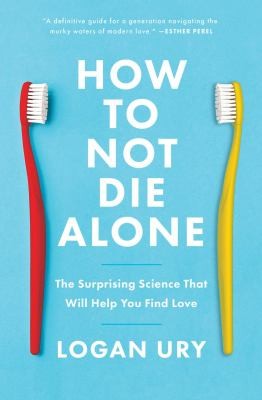
by Logan Ury
2021 · 320 pages · Summary updated 24 October 2026
Logan Ury's How to Not Die Alone applies behavioral science to dating: the blind spots that keep people single, what to look for in a partner, and how to decide about commitment. For singles who feel stuck.
Ury, a behavioral scientist who became a dating coach and then Hinge's director of relationship science, argues that dating fails because of predictable blind spots, not bad luck. Most stuck daters fit one of three dating tendencies: the Romanticizer waits for a fairy tale, the Maximizer keeps searching for someone better, and the Hesitater waits until they feel ready. Each needs a different fix. She tells readers to choose a life partner, not a prom date, to doubt the instant spark, to judge dates by how they feel afterward, and to make commitment choices on purpose: decide, don't slide.
Ury sorts stuck daters into three patterns. The Romanticizer waits for a soulmate and a magical meeting. The Maximizer keeps searching in case someone better appears. The Hesitater waits until they feel ready, which never quite happens. Each needs a different fix: Romanticizers need to accept that relationships take work, Maximizers need to settle for great rather than perfect, and Hesitaters need to start before they feel ready.
Ury draws on Barry Schwartz's research on choice. Maximizers try to find the best possible option and feel less satisfied even when they choose well. Satisficers choose something that meets their standards and are happier with it. In dating, the maximizer keeps swiping and keeps one foot out of every relationship. Ury tells them to decide what a great partner looks like and to commit when they find one.
A prom date is fun for a night: attractive, exciting and impressive to friends. A life partner is someone you can build decades with. Ury argues that people choose partners by prom-date criteria such as looks, money and shared hobbies. Qualities like kindness, loyalty, emotional stability, a growth mindset and the ability to make hard decisions together matter more for long-term happiness.
Many daters reject anyone who does not produce instant fireworks. Ury argues that a spark can come from anxiety, novelty or a partner's unavailability, and it does not predict a lasting relationship. Many happy couples describe a slow burn, where attraction grew as they got to know each other. Her rule: if a date was kind and interesting but not electric, go on a second date.
Ury uses attachment theory to explain why some people are drawn to partners who pull away. An anxious person dating an avoidant person feels highs and lows that seem like passion. That excitement is often stress about uncertainty. Secure partners can feel less thrilling at first because they are consistent. Ury tells readers to notice when the attraction feels like worry and to give reliable people a chance.
After a date, Ury asks clients to reflect on a set of questions she calls the Post-Date 8. They ask what side of you the other person brought out, whether you felt energized or drained, whether you felt heard and whether you are curious to learn more. These questions move attention away from rating the other person's traits and toward what it is like to be with them.
Ury borrows this phrase from researchers who studied couples moving in together. Many couples slide into big steps because a lease ends or it saves money, and those couples tend to be less happy later. Couples who make an explicit decision do better. Ury tells readers to hold a deliberate conversation at each stage: exclusivity, moving in and marriage, so that each step is a choice.
Ury argues that loss aversion keeps people in relationships too long, because leaving feels like a loss even when staying costs more. She suggests asking whether you would choose this person again today. When it is time to leave, plan the conversation, be clear and kind, and do not ghost. To recover, write a list of the relationship's real problems and reread it when nostalgia hits.
Logan Ury studied psychology at Harvard. At Google she ran the Irrational Lab, a behavioral science group she led with the economist Dan Ariely, and studied how people make decisions. She later became a dating coach and then director of relationship science at the dating app Hinge. In How to Not Die Alone (2021) she applies the research on decision making to love. She calls her approach Intentional Love: make relationship choices on purpose instead of by habit or default.
Her starting point is that dating is harder than it used to be. People marry later, move often and meet partners through apps instead of family, church or neighborhood. That brings more freedom and more choice. It also removes the structure that used to push people toward a decision. Today each person has to design their own love life, and most people do it badly.
Ury argues that the problem is usually not a lack of options or a flaw in the person. It is a set of predictable blind spots. Behavioral science shows that people misjudge what will make them happy, fear losses more than they value gains, and avoid hard decisions by putting them off. The same biases shape how people date. The book names these blind spots and gives a tool for each. It has three sections that follow a path. Getting Ready covers your own patterns and what to look for. The middle section covers apps, meeting people and better dates. Getting Serious covers commitment, breakups and recovery.
In her coaching work Ury saw that stuck daters fall into three patterns. She calls them dating tendencies. They are not fixed types, and some people show more than one.
Her chapter on Romanticizers is titled "Disney Lied to Us." Romanticizers expect a perfect partner to bring a problem-free relationship, so the first rough patch makes them think they chose wrong. Ury links this to research on relationship beliefs. Some people believe a relationship either is or is not meant to be. Others believe good relationships are built through effort, and those people handle conflict better. Her fix for Romanticizers is to accept that love takes effort and that the story of how you met matters less than how you treat each other.
For Maximizers she draws on Barry Schwartz's research on maximizers and satisficers. Maximizers search for the best option and feel less satisfied even when they choose well. Satisficers choose an option that is good enough and are happier with it. Ury tells Maximizers to aim for a great partner, not a perfect one, and to stop keeping one foot out of the door.
For Hesitaters the fix is to start before they feel ready. Nobody is ever finished. Ury suggests setting a deadline, asking friends for accountability and treating dating as practice.
The book also asks readers to look at what they learned about love as children. Ury summarizes attachment theory. People with a secure attachment style are comfortable with closeness. Anxious people crave closeness and fear losing it. Avoidant people feel smothered by it.
She warns about one trap in particular. An anxious person who dates an avoidant person often feels intense excitement, because the partner keeps pulling away. That anxiety can feel like chemistry. Ury tells readers not to mistake the stress of uncertainty for love. Secure partners can feel less exciting at first because they are reliable.
She also asks readers to look at the models of relationships they grew up with and the stories they tell about why past relationships ended. If the same story repeats, the pattern is probably theirs.
One of the book's central ideas is the difference between a prom date and a life partner. A prom date is someone who is fun for one night: good-looking, exciting and impressive to friends. A life partner is someone you can build a life with for decades.
Ury argues that people choose partners using prom-date criteria. They focus on looks, money, height, shared hobbies and an instant spark. Research suggests that many of these matter less for long-term satisfaction than people think. Looks fade and stop mattering as much once couples know each other. Shared interests matter less than shared values. Similar personalities do not predict happiness well.
What matters more, she says, is a short list of qualities:
She asks readers to write down what they want in a partner and then sort each item into must-have, nice-to-have and does-not-matter. Many items on the first list move down once readers think about a life together rather than a first impression.
Ury's chapter on chemistry has a blunt title, "F**k the Spark." She argues that the instant spark is overrated. Many daters reject anyone who does not produce immediate fireworks. But a spark can come from anxiety, novelty or the partner's unavailability. It does not predict whether a relationship will last.
She describes slow burn relationships, in which attraction grows as two people get to know each other. Many happy couples did not feel strong chemistry on the first date. Her advice is to go on a second date with someone who was kind and interesting, even without fireworks. Attraction often rises with familiarity.
The middle of the book is practical. Ury explains how to use dating apps without burning out. She suggests a profile that shows specific stories and interests instead of general claims, photos that show the person clearly and doing things, and a quick move from messaging to meeting. Long text exchanges create a fantasy that the real meeting cannot match.
She also wants people to meet partners in real life again. She gives tactics for approaching people at events and asking friends for introductions.
On the date itself she has three main points:
The last part of the book is about commitment. Ury borrows the phrase decide, don't slide from relationship researchers who studied couples who moved in together. Many couples slide into living together because a lease ends or it saves money. Couples who slide into big steps are less happy later than couples who make an explicit decision.
She tells readers to have deliberate conversations at each stage: when to become exclusive, when to define the relationship, when to move in and when to talk about marriage. She suggests that couples write down what they expect from each other and revisit those agreements as life changes.
Ury also covers when to end a relationship. Her chapter "Stop Hitching and Stop Ditching" addresses two opposite errors: staying in a relationship that has run its course, and leaving a good one too fast. She lists questions to ask when you are unsure: are you staying because of the relationship or because of fear of being alone, and would you choose this person again today? She describes loss aversion: people stay too long because leaving feels like a loss, even when staying costs more.
When it is time to break up, she tells readers to plan the conversation, to be clear and kind, and not to ghost. Her last chapter asks readers to reframe a breakup as a gain, not a loss: name what the breakup frees you from and what you learned. For getting over a breakup she also cites research suggesting that focusing on an ex's flaws reduces lingering feelings, and she suggests writing a list of the problems in the relationship to reread when nostalgia hits.
Reviewers generally found the book practical and readable. Some noted that the three dating tendencies are Ury's own coaching framework rather than a tested psychological model, and that much of the support comes from client stories. The research she cites is real but often summarized briefly, and some of it comes from small or single studies. Readers also point out that Ury works for a dating app company, which shapes the book's advice on apps.
Read it if you have been dating for a while without success and want a structured way to see your own patterns. It also helps people deciding whether to commit to or leave a current relationship.
11 cards
Question 1 of 5
Which dating tendency describes someone who keeps searching in case a better partner appears?
Wonder by R. J. Palacio is a novel about August Pullman, a ten-year-old boy with a facial difference who goes to school for the first time in fifth grade. For readers who want the plot, the narrators and the book's lesson on kindness.
Ugly Love is Colleen Hoover's romance about Tate Collins, a nursing student who agrees to a no-strings affair with a guarded airline pilot, Miles Archer, whose past is a closed door. For readers who want a steamy, emotional love story with a heartbreaking backstory.

Zora Neale Hurston's novel about Janie Crawford, a Black woman in early 1900s Florida who moves through three marriages in search of real love and her own voice. For readers who want the plot, the themes and the meaning of the title.
The Wife Upstairs is Rachel Hawkins's 2021 thriller that retells Jane Eyre in a wealthy Alabama suburb, where a broke dog walker falls for a widower whose wife vanished on a lake. For readers who like twisty domestic suspense.
New books, occasionally