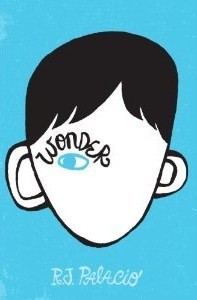
Wonder by R. J. Palacio is a novel about August Pullman, a ten-year-old boy with a facial difference who goes to school for the first time in fifth grade. For readers who want the plot, the narrators and the book's lesson on kindness.

by Emily Henry
2022 · 384 pages · Summary updated 24 October 2026
Book Lovers is Emily Henry's 2022 romantic comedy about a ruthless New York literary agent who spends a month in a small North Carolina town and keeps running into the editor she cannot stand. For readers who love banter, books and sisters.
Nora Stephens is a sharp, driven literary agent in New York. Her boyfriends keep leaving her for sweeter women in small towns, like the heroines in the novels she sells. Her younger sister, Libby, pregnant with her third child, talks her into a month in Sunshine Falls, North Carolina, the setting of a bestseller by Nora's client. Libby has a checklist of small-town romance moves for Nora. Instead, Nora keeps meeting Charlie Lastra, a brooding editor she clashed with years ago. They start editing a book together. Underneath the banter, the novel is about grief, sisters and choosing your own story.
Small-town romances often feature a cold career woman from the city whom the hero leaves for a sweeter local girl. Nora has been that woman in real life, again and again. Henry makes her the narrator and the heroine. The novel argues that ambitious, blunt women deserve romance too, and that they should not have to become someone softer to find it.
Nora and Charlie trade insults, emails and sharp notes on a manuscript. Their arguments show how alike they are: blunt, precise and in love with books. Each sees the other clearly and does not flinch. Henry builds the romance on this recognition. The idea is that being truly seen, flaws included, can matter more than grand gestures.
Nora's mother died when Libby was in high school. Nora stepped in as protector, chose a well-paid job and made herself tough. Years later, she is still playing that part. The month in Sunshine Falls forces her to see that her control grew out of grief. The book shows how a role taken on in crisis can become a cage if you never set it down.
Nora treats every problem in Libby's life as hers to fix. Libby loves her but feels watched and handled. The sisters' conflict is the emotional core of the book. Henry suggests that the most loving thing a caretaker can do is trust the other person to run their own life, and let them see you as an equal.
Libby's checklist sends Nora through classic small-town moves: a date with a local, saving a struggling business, a camping trip. Henry plays them for laughs and then twists them. Sunshine Falls is shabby, not quaint. The local hero is a gloomy editor, not a farmer. The novel enjoys the genre's pleasures while showing their limits, which is part of its appeal for readers who know the formula.
Libby's tense calls and secrecy do not mean her marriage is failing. She and Brendan have bought a house in Sunshine Falls, and the trip was her way to show Nora the town. She also hid a health problem to avoid Nora's worry. The twist shows that the sister Nora thought she was protecting has been quietly making adult choices all along.
Charlie plans to stay in Sunshine Falls for his family, and Nora knows New York is home. They part without asking each other to sacrifice. Then Libby offers to run the family bookstore, which frees Charlie to return to New York. Nora takes the editing job she once gave up. The ending rejects the trope in which the career woman must give up the city to deserve love.
Book Lovers is a romantic comedy by Emily Henry, published in 2022. It won the Goodreads Choice Award for Best Romance that year. The novel plays with the tropes of small-town romance novels and Hallmark movies, and it is narrated by the kind of character those stories usually make the villain: the cold, career-focused woman from the big city.
That woman is Nora Stephens, a literary agent in New York City. She is efficient, blunt and very good at her job. She negotiates hard for her authors. She also has a pattern in love. Her boyfriends keep leaving her for gentler women in small towns, just like the heroes in the novels she sells, who leave their high-powered city girlfriends to find true love on a farm. When the book opens, it has just happened again.
Nora's world centers on her younger sister, Libby. Their mother raised them alone in a small New York apartment and died when Libby was still in high school. Nora, still young herself, took over as Libby's protector and provider. Libby is now married to Brendan, has two young daughters and is pregnant with a third child.
Libby has a plan. She wants Nora to spend the whole month of August with her in Sunshine Falls, North Carolina, a tiny mountain town. It is the setting of Once in a Lifetime, a bestselling novel by Dusty Fielding, one of Nora's clients. Libby loved the book and wants to see the place.
Libby also makes a list. It is a checklist of small-town romance clichés for Nora to try, such as going on a date with a local, saving a struggling local business and going camping. The goal is to turn Nora into a romance heroine for a month. Nora agrees, mostly because she cannot say no to Libby.
The town is nothing like the book. It is shabby and a little sad, and its businesses, including the local bookstore, are struggling. Nora keeps working anyway.
In Sunshine Falls, Nora runs into Charlie Lastra, a respected New York book editor. They met years earlier at a business lunch, where Nora pitched him Dusty's manuscript. Charlie was rude and dismissive, and he passed on the book. It became a hit with another publisher. Nora has disliked him since.
Charlie grew up in Sunshine Falls. He is home because of a family health crisis, and he is helping at his parents' bookstore. He is gloomy, precise and as blunt as Nora. He hates small talk and loves books as much as she does.
The two start trading insults and then emails. Their banter turns into flirting. They discover that they read the same way, think the same way and share the same impatience with people who pretend. Each recognizes the other as the villain of someone else's love story.
Dusty Fielding is struggling to write her next book, and Charlie ends up as its editor. Nora and Charlie start to work on the manuscript together, meeting around town and over drinks. Their notes and arguments about the book become a kind of courtship.
Nora also works through Libby's list. Some items go badly. Others, such as skinny-dipping, bring her closer to Charlie, who keeps turning up when she needs help. Libby, meanwhile, seems to be keeping something from Nora. She takes long, tense phone calls with Brendan. Nora worries that her sister's marriage is in trouble.
The sister story is as central as the romance. Nora has organized her whole adult life around keeping Libby safe. She chose a job that paid well instead of the one she wanted, and she treats every problem in Libby's life as hers to fix. Libby loves her but feels managed. She wants a sister, not a second mother.
Henry uses the sisters to explore grief. Both women lost their mother young. Nora dealt with it by becoming hard and capable. She never let herself fall apart. The month in Sunshine Falls forces her to slow down and look at what she gave up.
Nora narrates in the first person, in a dry, quick voice full of jokes about publishing and romance novels. Henry uses that voice to poke fun at the genre while still delivering its pleasures: banter, slow-building tension and a happy ending. The book also has more emotional weight than a typical romantic comedy. Long stretches deal with the sisters' grief and with Nora's fear of needing anyone.
The book is full of references to real reading habits and to the work of agents and editors. Readers who love books often enjoy it as a love letter to reading as much as a love story.
Henry also builds the book around small, repeated details: Nora's habit of working through every vacation, the running joke of Libby's list and the ups and downs of the town's struggling bookstore. These details pay off in the final chapters.
Subverting tropes. The novel takes the classic small-town romance and tells it from the city villain's point of view. It argues that ambitious, prickly women deserve love stories too, and that they do not need to change into someone softer to get one.
Grief and caretaking. Nora's control and drive grow out of her mother's death. The book shows how grief can harden into a role that no one asked you to play forever.
Sisterhood. Nora and Libby love each other fiercely, but love can become control. They have to learn to see each other as adults.
Love of books. The world of publishing, from agents to editors to small bookstores, is the backdrop. Henry fills the book with jokes about the industry and about readers.
This section reveals the main twists.
Dusty's new manuscript, Frigid, is about a cutthroat agent named Nadine Winters who has no personal life. The character is clearly based on Nora. Nora has to edit a portrait of herself as the cold city woman.
Charlie's reason for staying in town is his father's poor health. Charlie plans to remain in Sunshine Falls to run the family bookstore, and says he may never move back to New York. Nora believes she cannot leave the city, or Libby.
Nora finally tells Libby that years ago she turned down the editing job she dreamed of so she could support her. They argue. In the middle of the argument, Libby faints and ends up in the hospital. The doctor says she is anemic, which is common in pregnancy, and that it happened in an earlier pregnancy too. Libby hid it to avoid Nora's worry. She tells Nora she never needed her to replace their mother.
Libby's biggest secret is that she and Brendan have bought a house in Sunshine Falls. Their life in New York has been too hard. The whole trip was her plan to show Nora the town and maybe convince her to move too.
This section reveals the ending.
Nora realizes that New York is her home. Her mother loved the city, and Nora loves it too. Libby urges her to stop sacrificing for others and to go after the editing career she always wanted. Charlie recommends her for an editor opening at another publisher. Nora and Charlie part at the end of the summer with no clear plan, because neither will ask the other to give up their life.
Back in New York, Nora starts her new career as an editor. By December, Charlie appears in New York. Libby has offered to run his family's bookstore in Sunshine Falls, and his father is doing better, which frees him to come back to the city.
In the epilogue, about six months later, Nora and Charlie live together in New York and return to Sunshine Falls for a book party at Goode Books. Charlie is planning to propose. Nora already knows, and she is ready to say yes.
Read it if you love witty romantic comedies, enemies-to-lovers stories or novels about books and publishing. It also suits readers who want a love story with a strong thread about sisters and grief.
11 cards
Question 1 of 5
What is Nora Stephens's job?
Libby reveals she has bought a house in Sunshine Falls and urges Nora to follow her own dreams. Nora goes back to New York and takes an editing job. Months later, Charlie appears in New York, because Libby has offered to run his family's bookstore. In the epilogue they live together, and Charlie plans to propose.
Wonder by R. J. Palacio is a novel about August Pullman, a ten-year-old boy with a facial difference who goes to school for the first time in fifth grade. For readers who want the plot, the narrators and the book's lesson on kindness.
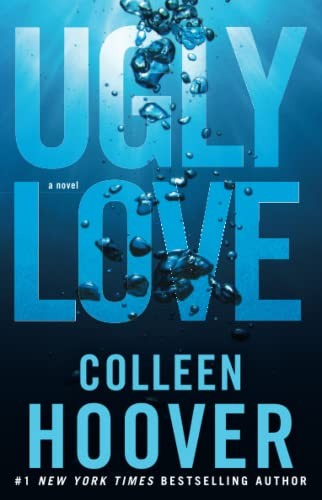
Ugly Love is Colleen Hoover's romance about Tate Collins, a nursing student who agrees to a no-strings affair with a guarded airline pilot, Miles Archer, whose past is a closed door. For readers who want a steamy, emotional love story with a heartbreaking backstory.
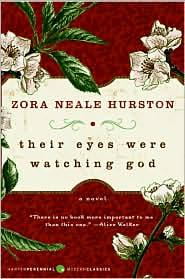
Zora Neale Hurston's novel about Janie Crawford, a Black woman in early 1900s Florida who moves through three marriages in search of real love and her own voice. For readers who want the plot, the themes and the meaning of the title.
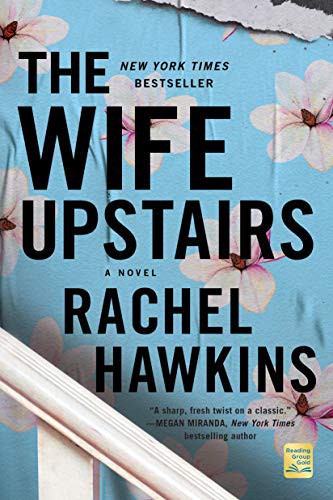
The Wife Upstairs is Rachel Hawkins's 2021 thriller that retells Jane Eyre in a wealthy Alabama suburb, where a broke dog walker falls for a widower whose wife vanished on a lake. For readers who like twisty domestic suspense.
New books, occasionally