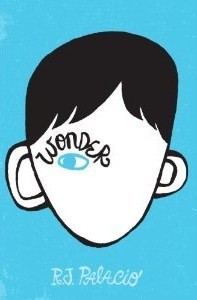
Wonder by R. J. Palacio is a novel about August Pullman, a ten-year-old boy with a facial difference who goes to school for the first time in fifth grade. For readers who want the plot, the narrators and the book's lesson on kindness.
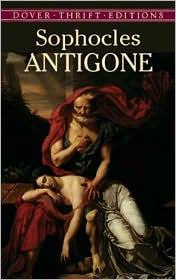
by Sophocles
-441 · 52 pages · Summary updated 24 October 2026
Antigone is Sophocles' Greek tragedy about a young woman who buries her brother against the king's order and the price both she and the king pay. For readers who want the plot scene by scene, the themes and the ending.
After a civil war in Thebes, the new king Creon orders that the rebel Polynices stay unburied as a traitor. His sister Antigone buries him anyway, saying the unwritten laws of the gods outrank any human decree. Her sister Ismene is too afraid to help. Creon sentences Antigone to be shut alive in a tomb, ignoring his son Haemon, her fiancé, and the warnings of the city. Only the prophet Tiresias makes him change his mind. Sophocles sets conscience against law, family against state, and shows what stubborn pride costs a ruler.
Antigone tells Creon that his decree came from a man, while the gods' laws are unwritten, unfailing and older than any king. Creon answers that the city cannot survive if its laws are broken whenever someone disagrees. Sophocles gives both sides real weight. The example is the burial itself: for the Greeks, leaving a body unburied was an offense against the gods, yet Polynices had attacked his own city. The play asks which loyalty should win when they cannot both be kept.
Creon's first speech lays out his view of rule. A man who puts a friend above his country is worthless, because only a city that sails upright can protect friendship at all. This is a serious argument, and the Chorus accepts it at first. Sophocles shows how it hardens. Creon comes to treat any objection as treason and says the city belongs to its ruler. The example is his line to Haemon that the young should not teach the old.
Both main characters refuse to bend. Antigone rejects Ismene's help and seems to want death. Creon refuses advice from his son, from the city and at first from the prophet. Haemon warns that trees that bend with a flood survive, while stiff ones are torn up. Tiresias says everyone makes mistakes, and only the stubborn refuse to fix them. Sophocles shows that the disaster comes from two people who are each partly right and wholly unwilling to yield.
Haemon tells Creon that the city mourns for Antigone and that people praise her in the streets, though no one will say so to the king. Creon answers that the city belongs to him. Haemon replies that he would rule well alone in a desert. Sophocles shows how power cuts a ruler off from the truth, since people fear to speak. The example is the guard who reports the first burial, who is so afraid that he spends long minutes explaining he did not do it.
The Ode to Man praises human skill: sailing, farming, taming animals, building cities, making laws. Humans have found a cure for everything except death. But the same cleverness can turn to evil, and only someone who honors the laws and the gods' justice stands high. The ode comes just after Creon's decree and just before Antigone's arrest, so it applies to both. Sophocles warns that human achievement does not free anyone from the gods or from death.
Ismene says women are not made to fight men. Creon says that while he lives, no woman will rule him. Antigone acts anyway, alone, and the men around her keep framing her defiance as a woman's insolence. Sophocles wrote for an all-male Athenian audience, yet he gives the young woman the clearest moral voice. The example is the confrontation in the second episode, where Antigone answers every charge and Creon falls back on her sex.
Creon yields too late. When he reaches the tomb, Antigone has hanged herself, and Haemon kills himself beside her after trying to strike his father. Eurydice, Creon's wife, stabs herself and curses him. Creon is left alive, calling himself a rash and foolish man. Sophocles makes the king, not the rebel, carry the final suffering. The Chorus closes with the lesson that the proud learn wisdom through great blows, and only in old age.
Antigone is a Greek tragedy by Sophocles, first performed in Athens around 441 BC. A young woman defies the king's order and buries her brother, who has been declared a traitor, because she believes the gods' law outranks the state's. The king, her uncle, sentences her to death. The play sets loyalty to family and the gods against loyalty to the city and its ruler, and it has been argued over ever since.
Sophocles wrote more than a hundred plays, and seven survive whole. Antigone is one of three about the family of Oedipus, often called the Theban plays. They are not a trilogy. Sophocles wrote them over almost forty years and out of story order: Antigone first, then Oedipus Rex, and Oedipus at Colonus at the end of his life. In the story, Antigone comes last.
The background: Oedipus, king of Thebes, learned that he had killed his father and married his mother. His sons, Eteocles and Polynices, later fought over the throne. Polynices raised an army from the city of Argos and attacked Thebes. The two brothers killed each other in single combat, and the attack failed. Their uncle Creon became king.
The main characters:
Greek tragedy has no acts. The play alternates between spoken scenes, called episodes, and songs by the Chorus, called odes. It all happens in one day, in front of the royal palace.
Before dawn, Antigone brings Ismene outside the palace to talk in secret. Creon has issued a decree. Eteocles, who died defending the city, will be buried with full honors. Polynices, who attacked it, must lie unburied and unmourned, food for dogs and birds. Anyone who buries him will be stoned to death.
For the Greeks, an unburied body was a horror. The soul could not rest, and the gods required the living to give the dead their rites. Antigone says she will bury Polynices and asks Ismene to help. Ismene refuses. They are women, she says, and they are not made to fight men or defy the state. Antigone tells her to do as she likes and says she will be proud to die for a holy crime. She leaves alone.
The Chorus enters and sings a victory song. The Argive army has been driven off, and the city is saved.
Creon addresses the elders. His first speech sets out his view of rule. A man who puts a friend above his country is worth nothing. The state is the ship that carries everyone, and only when it sails upright can there be friendship at all. That is why the traitor must stay unburied.
A guard arrives, terrified. Someone has sprinkled a thin layer of dust over the body and performed the rites, leaving no tracks. The Chorus wonders whether the gods did it. Creon is furious at the suggestion. He is sure that rebels have bribed the guards, and threatens to torture them if they do not find the culprit.
The Chorus sings the famous Ode to Man. There are many wonders, but none more wonderful than man. He crosses the sea, plows the earth, tames animals, builds cities and makes laws. He has found a remedy for everything except death. But his cleverness can lead him to good or to evil, and a man who honors the laws and the gods' justice stands high in his city.
The guard returns with Antigone. The guards had swept the body clean and watched it. In the middle of the day a dust storm came up. When it cleared, they saw Antigone wailing over the bare corpse, pouring offerings and covering it again.
Creon asks whether she knew his decree. She did. She explains why she broke it. His order came from a man. The gods' unwritten and unfailing laws are older. They are not of today or yesterday; they live forever. She would rather face Creon's punishment than the gods'. As for death, she is going to die someday anyway, and dying early in such misery is a gain.
Creon refuses to be ruled by a woman. He also accuses Ismene. Ismene, now willing, tries to claim a share of the guilt. Antigone rejects her: Ismene chose to live, and Antigone chose to die. Ismene asks Creon whether he will really kill his own son's bride. Creon says there are other fields for Haemon to plow. Both sisters are taken inside.
The Chorus sings of the curse on the house of Oedipus, which passes from generation to generation and now reaches its last roots.
Haemon arrives. Creon expects him to be angry and lectures him on obedience. Nothing is worse than disobedience; a man must never be beaten by a woman.
Haemon answers carefully at first. He respects his father. But he hears what people say in the streets, and the city mourns for Antigone. They say she deserves gold honors, not death. He begs his father not to think that only his own view is right. Trees that bend in a flood survive; trees that resist are torn out by the roots.
Creon is outraged at being taught by a boy. The argument grows bitter. Creon says the city belongs to its ruler. Haemon answers that he would rule well over a desert. Creon accuses him of being a woman's slave. Haemon says that if she dies, her death will destroy another. Creon takes this as a threat. Haemon storms out, saying his father will never see his face again.
Creon decides Ismene is innocent. For Antigone, he chooses a death that avoids the pollution of killing kin directly. She will be shut alive in a rock tomb with a little food, and left there. The Chorus sings of the power of Eros, the love that drives even good men to wrong.
Antigone is led out on her way to the tomb. She sings a lament with the Chorus. She will never marry. Her wedding will be with death. She compares herself to Niobe, a queen turned to stone on a mountain, always weeping. The elders half pity her and half blame her: she has gone too far, and she is paying for her father's sins.
Then she gives a strange argument that readers still debate. She would not have broken the law for a husband or a child, she says, because she could find another husband and have another child. But with her parents dead, she can never have another brother. She asks what law of the gods she has broken, and why, if she acted with piety, she is called impious. She is taken away.
The Chorus sings of other figures from myth who were shut away and suffered.
The blind prophet Tiresias arrives, led by a boy. He tells Creon that the signs are terrible. The birds fight and tear each other. The sacrifices will not burn. The altars of the city are fouled by dogs and birds carrying flesh from the unburied body. The gods are rejecting Thebes. All men make mistakes, he says, but a wise man repairs his. Stubbornness is folly.
Creon accuses him of taking bribes. Tiresias, angered, makes a prophecy. Before long, Creon will pay for the corpse he keeps from the grave and the living girl he puts in a grave with a corpse of his own blood. Wailing will fill his house.
Tiresias leaves. The Chorus reminds Creon that this prophet has never been wrong. Creon gives way. He orders his men to bury Polynices and free Antigone, and goes himself. The Chorus sings a joyful hymn to the god Dionysus, asking him to come and heal the city.
This section reveals the ending.
A messenger enters with news. Creon went first to the body of Polynices, prayed and burned what was left of it, and built a mound over it. Then he went to the tomb. From inside they heard Haemon crying. In the deepest part of the cave they found Antigone hanged by her own linen veil. Haemon had his arms around her waist and was grieving for his bride.
When Haemon saw his father, he spat in his face and drew his sword. Creon fled, and the stroke missed. Haemon then turned the sword on himself. As he died, he drew Antigone into his arms, and his blood stained her pale cheek. He has won his marriage, the messenger says, only in the house of the dead.
Eurydice, Creon's wife, has heard the report. She goes back into the palace without a word. A second messenger comes out: she has stabbed herself at the altar, cursing Creon as the killer of her sons. (An earlier son died in the war.)
Creon enters carrying Haemon's body. He blames himself completely. He calls himself a rash and foolish man who killed his son and his wife. He asks to be led away, a man who is now nothing. The Chorus closes the play: wisdom is the most important part of happiness, and the gods must be honored. The proud are taught wisdom by great blows, and they learn it in old age.
Creon is the one who survives, and he loses everything. Antigone, Haemon and Eurydice are dead. Polynices is finally buried.
The philosopher G. W. F. Hegel read the play as a conflict of two rights: the family and the gods on one side, the state on the other. Each side is partly right, and both are destroyed. Others see Antigone as plainly right and Creon as a tyrant. Many critics argue that Creon is the true tragic hero, since he has the most lines and suffers the reversal. Antigone's speech about her brother troubled Goethe, who hoped it was added by a later writer. Modern versions, such as Jean Anouilh's under the Nazi occupation of France, use the play to question obedience to unjust power, and feminist critics such as Judith Butler have read it as a story about kinship and the limits of the state.
Read it if you are studying the play or Greek tragedy. It suits anyone thinking about conscience, civil disobedience and what a person owes to law, family and the gods.
12 cards
Question 1 of 5
Why does Creon forbid the burial of Polynices?
Creon changes his mind after Tiresias warns him, but he is too late. Antigone has hanged herself in the tomb. Haemon tries to strike his father and then kills himself beside her. Creon's wife, Eurydice, also kills herself. Creon is left alive and blames himself for everything.
Wonder by R. J. Palacio is a novel about August Pullman, a ten-year-old boy with a facial difference who goes to school for the first time in fifth grade. For readers who want the plot, the narrators and the book's lesson on kindness.

Ugly Love is Colleen Hoover's romance about Tate Collins, a nursing student who agrees to a no-strings affair with a guarded airline pilot, Miles Archer, whose past is a closed door. For readers who want a steamy, emotional love story with a heartbreaking backstory.
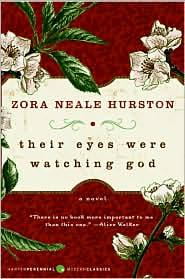
Zora Neale Hurston's novel about Janie Crawford, a Black woman in early 1900s Florida who moves through three marriages in search of real love and her own voice. For readers who want the plot, the themes and the meaning of the title.

The Wife Upstairs is Rachel Hawkins's 2021 thriller that retells Jane Eyre in a wealthy Alabama suburb, where a broke dog walker falls for a widower whose wife vanished on a lake. For readers who like twisty domestic suspense.
More in Fiction →More in Philosophy and stoicism →More in Society and history →
New books, occasionally