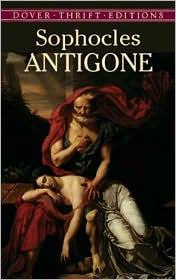
Antigone is Sophocles' Greek tragedy about a young woman who buries her brother against the king's order and the price both she and the king pay. For readers who want the plot scene by scene, the themes and the ending.
Author · 2 summaries
Greek playwright
Sophocles was born around 497 BC in Colonus, a village just outside Athens, into a wealthy family. He grew up as Athens became the leading power in Greece after its wars with Persia.
He won his first prize at the city's drama festival in 468 BC, defeating Aeschylus. Over about sixty years he wrote more than 120 plays and won more contests than any other Athenian playwright. Only seven survive complete. He added a third actor to the stage, used painted scenery and gave more weight to individual characters than to the chorus. He also served Athens as a treasurer and as a general.
Antigone (around 441 BC) shows a young woman who buries her brother against the king's order and argues that divine law outranks the laws of the state. Oedipus Rex (around 429 BC) follows a king who sets out to find the killer of his predecessor and learns the killer is himself. Aristotle used it as his model of tragedy. Sophocles died around 406 BC, aged about 90.
Antigone is Sophocles' Greek tragedy about a young woman who buries her brother against the king's order and the price both she and the king pay. For readers who want the plot scene by scene, the themes and the ending.
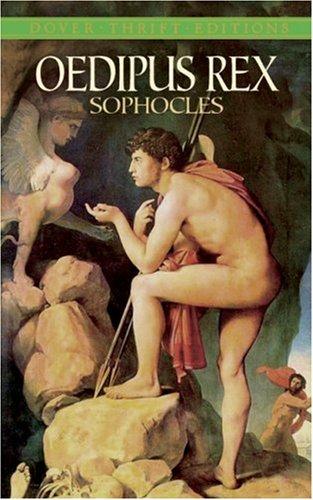
Oedipus Rex is Sophocles' Greek tragedy about a king who hunts the murderer behind a plague and finds the trail leads to himself. For readers who want the plot scene by scene, the themes and the ending in plain words.
New books, occasionally