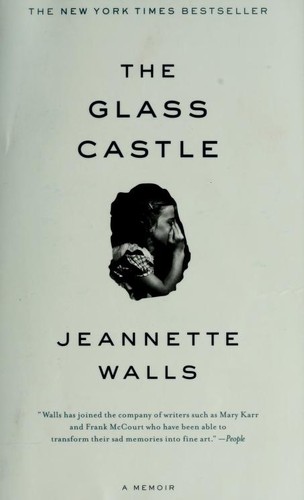
The Glass Castle by Jeannette Walls is a memoir of growing up poor and often hungry with a brilliant, alcoholic father and an artist mother who refused to settle down, and of how she escaped. For readers interested in family, poverty and resilience.

2017 · 288 pages · Summary updated 24 October 2026
The Last Black Unicorn is Tiffany Haddish's comic memoir of a South Central Los Angeles childhood, foster care, homelessness, an abusive marriage and her rise to stardom with Girls Trip. For readers who like raw, funny survival stories.
Tiffany Haddish is about eight when a car crash leaves her mother with a brain injury that changes her personality. Tiffany becomes the caregiver for her four younger siblings and learns to use jokes to calm her mother's rages. At thirteen she enters foster care. As a teen she gets a choice between therapy and a comedy camp, and picks comedy. She lives in her car, works odd jobs, survives an abusive marriage and a string of bad boyfriends, and keeps doing stand-up. The book tells it all with crude, blunt humor and ends with her breakout in Girls Trip.
After a car crash leaves her mother with a brain injury, young Tiffany faces violent, unpredictable rages at home. She learns that making her mother laugh can stop an attack. Jokes become a way to protect herself and her siblings. Haddish traces her comedy career to these moments. The idea is that a skill born in crisis can become a lifelong strength, if you learn to use it on purpose.
As the oldest of five, Haddish cooks, cleans and protects her younger siblings after her mother's injury. Later she enters foster care and is separated from them. She describes feeling like an adult long before she was ready. The book shows how this early burden shaped her: fierce independence, distrust of others and a hunger for love that later led her into dangerous relationships.
As a teenager, Haddish is given a choice by a social worker: psychiatric therapy or a comedy camp at the Laugh Factory. She picks comedy. Professional comedians teach her to turn her nonstop talking and joking into structured material. She says the camp saved her life. The lesson is that the right outlet, offered at the right time, can turn a troubled kid's energy into a career.
At eighteen, Haddish is put out of her grandmother's home and lives in her car. She works customer service jobs by day and performs at open mics by night. For years, small TV roles fail to pay the bills. She keeps performing anyway. The book shows that persistence often looks foolish from the outside until the breakthrough comes, as it does for her with Girls Trip.
Haddish describes a husband who was jealous and controlling and who became violent. She writes that he grabbed her by the neck and slammed her into a wall, and that he followed and watched her. Her account shows the pattern of control that often comes before and around physical abuse, and that getting out takes time. Her ex-husband denies her account and sued her over it, and she later said some details may have been exaggerated in editing.
Haddish admits that she kept choosing jealous, possessive and controlling men. She links this to growing up with a mother who was both her caregiver and her biggest danger. She learned to read control as care. Naming the pattern is her first step out of it. The idea is that understanding where your choices come from gives you the power to change them.
After Girls Trip makes her famous, Haddish still remembers sleeping in her car. Mentors such as Jada Pinkett Smith and Kevin Hart advise her on how to carry herself and handle her career. She stays careful with money and tells other performers to invest in learning before luxury. The lesson is that sudden success is safer when you keep the habits that got you through hard times.
The Last Black Unicorn is the first memoir by comedian and actor Tiffany Haddish, published in December 2017, a few months after her breakout role in the film Girls Trip. It is a collection of stories more than a strict timeline. Haddish groups her life by subject: her family, school, her dating life, her marriage and her career. She writes the way she talks on stage: loud, crude, fast and funny, with stories that move from pain to punchline and back.
The title is her image of herself. A unicorn is rare and strange, and people doubt it exists. Haddish presents herself as a misfit who never fit any group, and who chose to be proud of it. The book's message is that humor can be a survival tool, and that a person can grow something good out of a terrible start.
The book is raunchy. It includes frank sexual stories, gross-out humor and accounts of abuse. Haddish does not soften any of it.
Haddish was born in 1979 and grew up in South Central Los Angeles. Her father, an Eritrean immigrant, left when she was three. Her mother, Leola, remarried and had four more children. Tiffany was the oldest.
When Tiffany was about eight, her mother was in a serious car crash. She suffered a brain injury. The woman who came home from the hospital was not the same person. She had trouble speaking at first, and her moods became violent and unpredictable. She was later diagnosed with mental illness. She hit her children and screamed at them.
Tiffany became the person who held the family together. She cooked, cleaned and looked after her younger siblings. She also discovered that she could stop her mother's anger by making her laugh. Jokes became a way to stay safe. Haddish says this was the start of her comedy.
Years later, Haddish's stepfather told her that he had tampered with the car's brakes before the crash. He had hoped to kill the family and collect insurance money. The children were not in the car that day. Haddish writes about this confession with shock and anger.
When Haddish was thirteen, she and her siblings were taken into foster care and separated. She describes foster homes where she was mistreated and felt like a paycheck to the adults in charge. She also says that, in some ways, the system was safer than the home she came from. At about fifteen, she and her siblings went to live with their grandmother.
At school Haddish was an outsider. She was poor, wore odd clothes and was often teased. She struggled to read well into her teens, and a teacher helped her catch up. She acted out in class, talking and joking constantly, which got her in trouble.
At about seventeen, a social worker gave her a choice: go to psychiatric therapy or attend a comedy camp run by the Laugh Factory in Hollywood. She chose the camp. There she met working comedians who taught her how to turn her energy into jokes with structure. Haddish says comedy camp saved her life.
She also found early paid work as a hype dancer at bar and bat mitzvahs in Los Angeles, getting the crowd to dance and keeping the energy high. She calls this one of her first jobs as an entertainer.
When Haddish turned eighteen, her grandmother no longer received support payments for her and told her to leave. Haddish was homeless for a time. She lived in her car while she tried to build a career in stand-up. She worked customer service jobs, including at airlines, and performed at open mics at night.
She describes how hard it is to keep going when you have no money, no home and no proof that you will ever make it. She also describes the people who helped her. Kevin Hart, a friend from the comedy circuit, gave her advice to invest in herself and to treat comedy as a business. She credits him as an important supporter during this time.
Her first break was the comedy competition show Bill Bellamy's Who's Got Jokes? in 2006. Small roles in television and film followed, but for years the work did not pay enough to live on.
A large part of the book is about men. Haddish writes about her romantic life from her first crushes to her thirties, and she admits she made poor choices again and again.
The most serious story is her marriage, which began in 2008. She describes a jealous, controlling husband who became violent. She writes that he grabbed her by the neck and slammed her into a wall, and she describes being followed and watched. She filed for divorce in 2011, and the divorce became final in 2013. She describes this part of her life plainly and with fewer jokes, then returns to humor as she gets free.
She also tells stories about boyfriends who cheated or tried to control her. One boyfriend's cheating ends with a revenge that she tells as a gross-out comedy story. In another chapter, she writes about a brief relationship with a man she calls Roscoe, who has a disability. Some readers found this chapter funny. Others found it mocking.
Haddish reflects on why she was drawn to jealous, controlling men. She traces it to her childhood, where love and danger came from the same person. She says she learned to confuse control with care. By the end of the book she is single and trying to choose differently.
Haddish keeps working. She gets a recurring role on Kevin Hart's series Real Husbands of Hollywood and later a regular part on The Carmichael Show. In 2016 she appears in the film Keanu. Then she is cast as Dina in Girls Trip (2017), alongside Regina Hall, Queen Latifah and Jada Pinkett Smith. Her wild performance steals the film. It becomes one of the biggest comedies of the year and makes her famous almost overnight.
The last part of the book covers her adjustment to fame. Jada Pinkett Smith becomes a mentor, advising her on how to carry herself as a star. Haddish learns about Hollywood's rules, its racism and its politics. She writes about being careful with money even as she starts earning it, because she remembers sleeping in her car. She advises aspiring performers to spend on learning and growth before luxury.
The book reads like a stand-up set. Haddish speaks directly to the reader, jumps between past and present and stops to make a joke in the middle of the darkest scenes. She mixes short, punchy stories with longer chapters about her marriage and her career.
The structure is loose. Because the stories are grouped by subject, the timeline often doubles back. A chapter about a boyfriend may jump from her teens to her thirties, and a career chapter may return to her childhood. Some readers enjoy this as a series of comedy bits. Others want a clearer arc.
Under the jokes, the book has a clear message. Haddish believes that pain can become fuel, and she shows how she turned a violent home, foster care and homelessness into material. She also argues for self-respect: knowing your worth, leaving people who hurt you and refusing to let others define you. She is honest that she learned these lessons slowly and often the hard way.
The book also shows the value of mentors and outlets. A social worker who offered comedy camp, a teacher who helped her read, comedians who gave her advice and co-stars who taught her how to handle fame all appear at key moments. Haddish is clear that she survived partly because a few people saw something in her and gave her a chance. Her advice to readers is to look for those people, and to become one for someone else. She also urges readers not to be ashamed of where they come from.
Reviewers praise Haddish's honesty and comic voice. The book won the 2018 Goodreads Choice Award for Humor, and her reading of the audiobook earned a Grammy nomination for Best Spoken Word Album. Some readers say the stories feel disorganized and lack a single arc. Some found the sexual and scatological humor too much, and some criticized the Roscoe chapter as mocking a disabled man. The cover credits only Haddish, but writer Tucker Max later said he co-wrote the book, which drew attention because of his own controversial reputation. Her ex-husband denied her account of the marriage and sued her for defamation in 2018. Haddish said that some details may have been exaggerated in the editing.
Read it if you enjoy comedy memoirs, or if you want a raw story of surviving childhood trauma, foster care and abuse with humor intact. Skip it if crude sexual and bathroom humor puts you off.
11 cards
Question 1 of 5
What changed Tiffany Haddish's childhood when she was about eight?
The Glass Castle by Jeannette Walls is a memoir of growing up poor and often hungry with a brilliant, alcoholic father and an artist mother who refused to settle down, and of how she escaped. For readers interested in family, poverty and resilience.
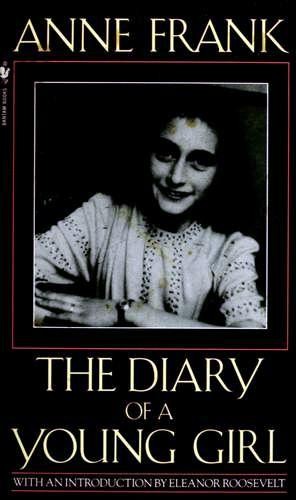
The Diary of a Young Girl by Anne Frank is a Jewish girl's record of two years in hiding from the Nazis in an Amsterdam annex, from age 13 to 15. A summary for students and readers who want the history and the person behind it.
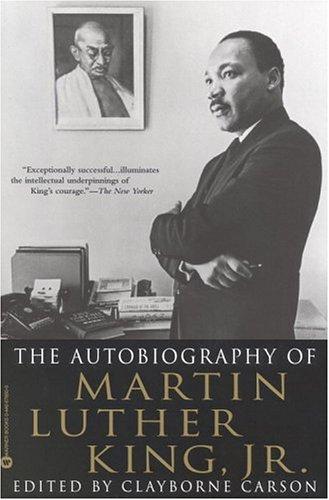
The Autobiography of Martin Luther King, Jr., assembled in 1998 by editor Clayborne Carson from King's own writings, tells his life in his words, from an Atlanta childhood to Montgomery, Birmingham, Selma and Memphis.
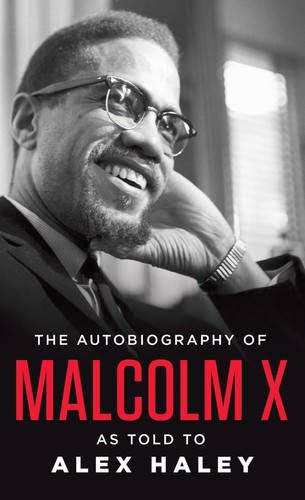
The Autobiography of Malcolm X, told to Alex Haley, follows Malcolm X from a broken childhood and a criminal youth to prison, the Nation of Islam, Mecca and his murder in 1965. For readers of American history, race and personal change.
New books, occasionally