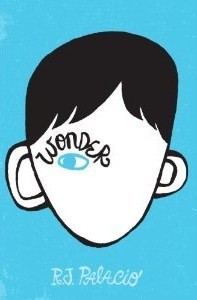
Wonder by R. J. Palacio is a novel about August Pullman, a ten-year-old boy with a facial difference who goes to school for the first time in fifth grade. For readers who want the plot, the narrators and the book's lesson on kindness.
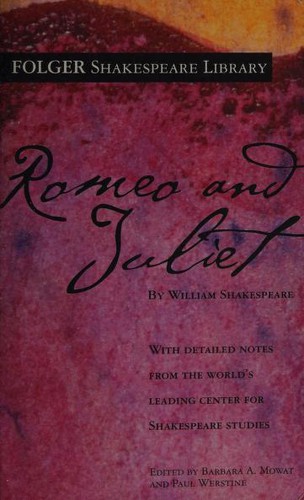
1597 · 336 pages · Summary updated 24 October 2026
Romeo and Juliet is Shakespeare's tragedy of two teenagers from feuding families in Verona who marry in secret and die within a week. For readers who want the plot act by act, the themes and the ending in plain words.
In Verona, the Montagues and Capulets keep up an old feud. Romeo, a Montague, crashes a Capulet feast and falls in love with Juliet, the daughter of the house. They marry in secret the next day with the help of Friar Laurence and Juliet's Nurse. Within hours Romeo kills Juliet's cousin Tybalt in a street fight and is banished. Her parents order her to marry Paris, and the friar gives her a potion to fake her death. Shakespeare packs love, hate and chance into four days and asks who is to blame when the young pay for their parents' quarrels.
The Prologue calls the lovers the children of "fatal loins," and the play keeps love and hate side by side. Juliet says her only love has sprung from her only hate. The feast that brings them together is where Tybalt swears revenge. The wedding is followed within an hour by two killings. Shakespeare's point is that the same passion runs through both. In a city ruled by a feud, intense love cannot stay private, because every private act feeds the public quarrel.
Friar Laurence warns Romeo to go "wisely and slow," then marries the lovers the same day. Romeo forgets Rosaline in a moment. Capulet moves the wedding from Thursday to Wednesday on a whim. Juliet herself fears the vows are too sudden. Shakespeare compresses months of his source into four days, and the speed is the tragedy. No one stops to talk, wait or check. Each rushed choice cuts the time that might have saved the lovers.
The Prologue calls Romeo and Juliet star-crossed, and Romeo feels doom before the feast and cries that he is fortune's fool after he kills Tybalt. Yet the plot turns on bad luck: a servant who cannot read, a street fight on a hot day, a letter stopped by a quarantine. Shakespeare never says which force rules. The audience is left to decide whether the stars or the people of Verona killed the lovers. The example is Mercutio's death, caused by Romeo's attempt to make peace.
On the balcony Juliet argues that a name is not part of a person: a rose would smell as sweet under another one, and Romeo would be Romeo without "Montague." The argument is right and useless. In Verona the name decides who may love, who must fight and who is banished. Tybalt attacks Romeo for being a Montague, not for anything he has done. Shakespeare shows how inherited labels, which mean nothing in themselves, become a sentence on people who did not choose them.
The heads of the two houses never explain the feud. It is an "ancient grudge" kept alive by servants, cousins and pride. Capulet treats Juliet as property to be placed with a good husband and threatens to throw her out when she refuses. Even the Nurse and the friar, her allies, give advice that serves their own comfort or plans. The play shows a generation that hands its hatreds down and then grieves for children who could not survive them.
The first half of the play has the shape of a comedy: a feast, a secret love, a quick wedding, jokes from the Nurse and Mercutio. In Act 3, Scene 1, Mercutio dies cursing both houses, and the jokes stop. Romeo kills Tybalt in revenge and is banished. Shakespeare uses the most playful character's death to change the genre in a single scene. From that point, every comic device, such as a disguise or a trick, works toward death instead of marriage.
In the tomb, Romeo poisons himself beside the sleeping Juliet, and she wakes to find him dead and stabs herself. Paris and Lady Montague die too. Only then do Capulet and Montague take hands and promise each other golden statues of the dead children. Shakespeare gives the families the peace the friar hoped the marriage would bring, but at the cost of everything the peace was for. The Prince's verdict is that all are punished.
“But soft, what light through yonder window breaks?”
“O Romeo, Romeo, wherefore art thou Romeo?”
“A plague o' both your houses!”
Romeo and Juliet is William Shakespeare's early tragedy about two teenagers from enemy families in Verona who fall in love, marry in secret and die within a week. Shakespeare wrote it around 1595. It was first printed in 1597 in a short quarto, and a longer, better text followed in 1599. His main source is a long English poem, Arthur Brooke's The Tragical History of Romeus and Juliet (1562), which itself retold an Italian story.
Shakespeare makes two big changes to the source. He shrinks the action from months to about four days, from a Sunday to the following Thursday. He also makes Juliet younger: she is not yet fourteen. The speed and the youth drive the whole play. Everything happens too fast for anyone to think.
The play opens with a Prologue, a sonnet spoken by the Chorus. It tells the audience at once that two "star-crossed" lovers from feuding houses will die and that their deaths will end their parents' strife. So the question is never whether the lovers fail. It is how, and who is to blame.
The main characters:
Four themes run through the play: love against hate, haste, fate against chance, and the gap between the young and their parents.
The play begins with servants of the two houses picking a fight in the street. Benvolio, Romeo's cousin, tries to stop it. Tybalt joins in, then the heads of both families. Prince Escalus breaks it up and declares that anyone who fights again will pay with his life.
Romeo was not there. He is lovesick for a woman named Rosaline, who has sworn to stay chaste. He speaks in clichés about love's pain, and Benvolio tells him to look at other women.
Paris asks Lord Capulet for Juliet's hand. Capulet says she is too young and asks him to wait two years, but invites him to a feast that night to win her. A Capulet servant who cannot read asks Romeo to read the guest list. Rosaline is on it, so Romeo and his friends decide to go masked.
Lady Capulet tells Juliet that Paris wants her. The Nurse chatters about Juliet's childhood. Juliet agrees only to look at him.
On the way, Mercutio mocks Romeo's gloom with a long, wild speech about Queen Mab, the fairy who brings dreams. Romeo says he has a feeling that the night will start something that ends in his own death.
At the feast, Romeo sees Juliet and forgets Rosaline at once. Tybalt recognizes Romeo's voice and wants to kill him. Capulet orders him to leave the guest alone, and Tybalt goes, vowing revenge. Romeo and Juliet meet. Their first fourteen lines together form a shared sonnet that ends in a kiss. Only after they part does each learn that the other belongs to the enemy house.
Romeo climbs into the Capulet orchard. Juliet appears at her window above. Thinking she is alone, she asks why he must be a Montague and says a name is only a word. Romeo answers her. They trade vows. Juliet is the one who worries that it is "too rash, too unadvised, too sudden," and she is also the one who proposes a practical plan: if his love is honest and he means marriage, he should send word tomorrow.
At dawn Romeo goes to Friar Laurence, who is gathering herbs and reflecting that every plant can heal or poison. The friar teases Romeo about how fast he dropped Rosaline. Still, he agrees to marry the lovers because he hopes the match will end the feud.
Tybalt has sent a challenge to Romeo's house. Romeo, Mercutio and Benvolio joke in the street, and Mercutio mocks the Nurse when she arrives as Juliet's messenger. Romeo tells her to bring Juliet to the friar's cell that afternoon. The Nurse returns home and teases Juliet by delaying the news. That afternoon the friar marries them, warning that "violent delights have violent ends."
Act 3 is the turning point. It is hot, and the young men are restless. Tybalt finds Romeo and calls him a villain. Romeo, now secretly Tybalt's kinsman by marriage, refuses to fight and speaks of love. Mercutio is disgusted by what he sees as surrender and draws on Tybalt himself. Romeo steps between them to stop the fight, and Tybalt stabs Mercutio under Romeo's arm. Dying, Mercutio curses both families: "A plague o' both your houses!"
Romeo blames himself and his love for making him soft. When Tybalt returns, Romeo kills him. He cries that he is "fortune's fool" and runs. The Prince, who has lost a kinsman in Mercutio, spares Romeo's life but banishes him from Verona.
Juliet waits for her wedding night. The Nurse arrives with the news that Tybalt is dead and Romeo is banished. Juliet first curses Romeo, then defends him: her husband is alive, and banishment is worse than ten thousand Tybalts dead.
At the friar's cell, Romeo hears the sentence and says banishment is death by another name. He throws himself on the floor and draws a knife to kill himself. The friar scolds him and makes a plan: spend the night with Juliet, leave for Mantua at dawn, and wait while the friar finds a time to announce the marriage and win a pardon.
Meanwhile, Capulet decides that Juliet's grief for Tybalt needs a cure and promises her to Paris. The wedding will be on Thursday. Romeo and Juliet spend their one night together. At dawn they argue over whether the bird they hear is the nightingale or the lark, because the lark means he must go. He leaves through the window.
Lady Capulet brings the news of the wedding. Juliet refuses. Her father arrives, calls her names, and threatens to throw her into the street if she does not obey. Her mother turns away. Juliet asks the Nurse for help, and the Nurse advises her to marry Paris, since Romeo is as good as dead. Juliet feels betrayed. She says nothing to the Nurse and goes to the friar, ready to die if there is no other way.
At the cell Juliet meets Paris, who speaks as if she is already his. When he leaves, she threatens to kill herself with a knife. Friar Laurence offers a desperate plan. She will agree to the wedding, and on the night before it she will drink a potion that makes her seem dead for forty-two hours. Her family will lay her in the Capulet tomb. The friar will send a letter to Romeo in Mantua, and Romeo will come to take her away when she wakes.
Juliet goes home and apologizes to her father. Delighted, Capulet moves the wedding forward a day, to Wednesday. This leaves the friar less time.
That night Juliet sends the Nurse away. Alone with the vial, she imagines every way the plan can fail: the potion might not work, the friar might mean to poison her, she might wake early among the bones and Tybalt's corpse and go mad. She drinks it anyway.
In the morning the house is busy with wedding preparations. The Nurse goes to wake Juliet and finds her apparently dead. The family's grief is loud and formal. Capulet turns the wedding music into funeral music, and Juliet is carried to the tomb.
This section reveals the ending.
In Mantua, Romeo's servant Balthasar arrives with news that Juliet is dead and buried. The friar's letter has not arrived. Its messenger, Friar John, was shut in a house under plague quarantine and could not travel. Romeo buys poison from a poor apothecary who sells it against the law, and rides to Verona.
At night in the churchyard, Paris is laying flowers at Juliet's tomb. He sees Romeo breaking in, thinks he has come to dishonor the dead, and challenges him. They fight, and Romeo kills Paris. At Paris's dying request he lays him in the tomb.
Romeo finds Juliet and notes that her lips and cheeks are still red, without understanding why. He kisses her, drinks the poison and dies.
Friar Laurence arrives moments later, learning too late that his letter failed. Juliet wakes and asks for Romeo. The friar sees the bodies, hears the watch coming and begs her to leave with him to a convent. She refuses. He runs. Juliet finds the empty cup, kisses Romeo's lips for any poison left on them, then stabs herself with his dagger.
The watch, the Prince and both families arrive. Montague reports that his wife has died of grief over Romeo's exile. The friar confesses the whole story, and Balthasar and Paris's page confirm it with Romeo's letter. The Prince tells the fathers to see what their hate has done: heaven has killed their joys with love. Capulet and Montague take hands. Each promises to raise a gold statue of the other's child. The Prince closes the play by saying there was never a story of more woe than this of Juliet and her Romeo.
Six people die in the play: Mercutio, Tybalt, Paris, Lady Montague, Romeo and Juliet. The feud ends, but only because there are no heirs left to carry it.
The main debate is whether the play is a tragedy of fate or of chance. The Prologue speaks of stars, and the lovers sense doom. But the deaths turn on accidents: a plague quarantine, a delayed letter, a few minutes in a tomb. Some critics see this as a weakness compared with the later tragedies, where the hero's own flaw drives the fall. Others argue that haste is the real flaw, and that it belongs to everyone: Romeo, Juliet, Capulet and the friar all act too fast. Modern readers also question whether the play idealizes reckless teenage love or warns against it, and many note how the parents and the Nurse fail Juliet when she needs them.
Read it if you are studying the play and want the plot act by act, or if you want to know the story behind lines everyone quotes. It suits anyone interested in young love, family pressure and how fast hate can turn a celebration into a funeral.
12 cards
Question 1 of 5
What does the Prince threaten after the opening street brawl?
Romeo hears that Juliet is dead because the friar's letter never reaches him. He buys poison, kills Paris at the tomb, and drinks the poison beside Juliet. She wakes moments later, finds him dead, and stabs herself with his dagger. The families learn the truth from Friar Laurence and end their feud.
The play spreads the blame. The parents keep a feud they cannot explain. Capulet forces the marriage to Paris. Friar Laurence makes a risky plan and runs from the tomb. Tybalt starts the fatal fight. Romeo and Juliet act on impulse. Chance, in a plague quarantine, finishes it. The Prince's verdict is that all are punished.
Wonder by R. J. Palacio is a novel about August Pullman, a ten-year-old boy with a facial difference who goes to school for the first time in fifth grade. For readers who want the plot, the narrators and the book's lesson on kindness.
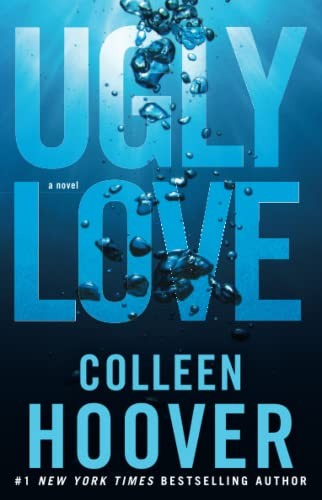
Ugly Love is Colleen Hoover's romance about Tate Collins, a nursing student who agrees to a no-strings affair with a guarded airline pilot, Miles Archer, whose past is a closed door. For readers who want a steamy, emotional love story with a heartbreaking backstory.
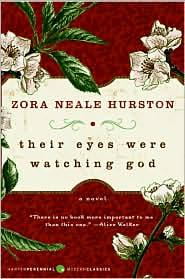
Zora Neale Hurston's novel about Janie Crawford, a Black woman in early 1900s Florida who moves through three marriages in search of real love and her own voice. For readers who want the plot, the themes and the meaning of the title.
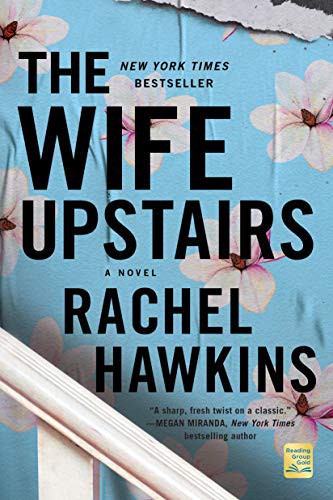
The Wife Upstairs is Rachel Hawkins's 2021 thriller that retells Jane Eyre in a wealthy Alabama suburb, where a broke dog walker falls for a widower whose wife vanished on a lake. For readers who like twisty domestic suspense.
New books, occasionally