Wonder by R. J. Palacio is a novel about August Pullman, a ten-year-old boy with a facial difference who goes to school for the first time in fifth grade. For readers who want the plot, the narrators and the book's lesson on kindness.
2015 · 320 pages · Summary updated 24 October 2026
November 9 is Colleen Hoover's romance about Fallon and Ben, two eighteen-year-olds who meet by chance and agree to see each other on the same date every year while Ben writes a novel about them. For readers who want a love story with a hidden twist.
On the anniversary of the fire that scarred her, Fallon has lunch in Los Angeles with her father before she moves to New York. A stranger, Ben, sits down and pretends to be her boyfriend. They spend her last day together and fall for each other. Because they are young and Fallon is leaving, they agree to meet on November 9 every year for five years, and Ben will write a novel about it. Each year brings changes, losses and growing doubt. Fallon starts to wonder whether Ben's story is the truth or a plot he is shaping. Hoover's question is whether love can survive the past it grew out of.
Fallon and Ben agree to meet only on November 9, every year for five years. Hoover uses this rule to build the whole book. Each section is one meeting, and the reader learns about the year between only through what the two tell each other. The structure makes every meeting tense. It also hides the truth, because so much happens offstage, in the months the reader never sees.
Ben is writing a book about his relationship with Fallon. As the years pass, Fallon wonders whether he is living their story or plotting it. Hoover uses this setup to ask whether a writer can tell a love story without bending it. The example is Fallon's growing fear that Ben wants their relationship to have the perfect twist for his book, more than he wants it to be real.
After the fire, Fallon loses her television role and her father treats her as damaged. Hoover uses the scars to show how harshly people judge appearance, especially in the entertainment business. Fallon's move to New York is a bet that talent can outweigh looks. Her arc is about learning that her worth does not depend on how others see her face, and that someone can love her as she is.
The meetings do not go as Fallon and Ben planned. Ben's brother Kyle dies, and Ben stays in California to help Kyle's pregnant wife, Jordyn. Fallon builds a life in New York. Hoover shows that love on a fixed schedule cannot hold off real life. The example is a year when Fallon refuses to go at all, because the hope the meetings bring has started to hurt more than it helps.
On the first day, Ben stands up to Fallon's father and treats her scars as part of her rather than as the whole of her. Hoover makes this the root of their bond. Fallon is used to being stared at or pitied, and Ben does neither. The scene at the restaurant, where he pretends to be her boyfriend, shows his boldness and his instinct to protect her.
Fallon reads Ben's manuscript and learns that he set the fire. After his mother's suicide, Ben, at sixteen, blamed Fallon's father, Donovan, who had broken up with her. He set fire to Donovan's car, and it spread to the house where Fallon was. He did not know she was inside. Hoover turns the love story into a story about guilt and whether it can be forgiven.
After Fallon cuts him off, Ben leaves her his finished novel. It tells the full story from his side, including his guilt and the truth about his mother, who took her own life after a terminal cancer diagnosis. Fallon's mother reads it first and urges her to read it. Hoover suggests that the full story, told honestly, can open a door that a partial truth slammed shut.
November 9 is a romance novel by Colleen Hoover, published in 2015. It follows two young people who see each other only once a year, on the same date, for five years. The book alternates between the two narrators, Fallon and Ben. It is also a book about writing a book: Ben is an aspiring novelist, and the novel he writes about their relationship becomes part of the plot.
The structure makes the story move in jumps. Each section covers one November 9, and the reader learns what happened in the year between only through what Fallon and Ben choose to tell each other. That gap is where the novel hides its secrets.
Fallon is eighteen. Two years earlier, she was a young actress with a role on a television show. Then a fire at her father's house left her with burn scars on her face and body. She lost the role and her confidence. Now she has decided to move from Los Angeles to New York to try for the stage, where she hopes her talent will matter more than her face.
The day of the move is November 9, the second anniversary of the fire. Fallon has lunch with her father, Donovan, a self-centered actor who is not supportive of her plans. He makes it clear that he thinks her scars end her career.
A boy at the next table overhears. He is Ben, also eighteen. He sits down and pretends to be Fallon's boyfriend, and he stands up to her father for her. Fallon is surprised and charmed. They spend the rest of the day together, talking about her fears and his dream of writing. The connection between them is immediate.
Ben wants to keep seeing her. Fallon is leaving that night. She has also been advised by her mother not to commit to a serious relationship before age 23. So they make a plan. They will meet on November 9 every year for five years, until they are 23. Between meetings, they will live their own lives. Ben will write a novel about the days they spend together.
The idea gives the book its shape. Each year is one chapter in Ben's novel and one chapter in their lives.
The meetings do not go as planned. Each November 9 brings news that the other did not expect.
Fallon builds a life in New York. She takes acting work, grows more confident and starts to believe she can have a career despite her scars. Ben keeps writing and keeps hoping. He sees each meeting as proof that they belong together. Fallon is more cautious, because she has learned that people can turn away from her.
Life intervenes. Ben's oldest brother, Kyle, dies in a car accident, leaving behind a pregnant wife, Jordyn. Ben feels responsible for helping her and her baby, and he stays in California. Fallon spends a night with him while he grieves, then leaves so that he can be there for his family. Grief and distance strain the relationship. In some years the meeting is warm and hopeful. In others it is painful. One year, Fallon decides the pact is over and refuses to go.
As the years pass, Fallon notices that Ben's novel is shaping how he sees their story. He wants it to have a great romantic arc. She begins to wonder whether he is living their relationship or writing it. The question at the center of the book is whether Ben has been telling the truth or arranging events for the sake of a perfect plot twist.
Ben's book is more than a side plot. It is the reason the meetings exist. Ben decides on the first day that their meetings will be the subject of his first novel. Each year gives him a new chapter. He watches how she talks, what she fears and what she hopes, and he writes it down.
For Fallon, this is flattering at first. Someone finds her interesting enough to write about. Over time it becomes unsettling. She is not sure where Ben the person ends and Ben the author begins. When he says something romantic, she wonders whether it is a line he plans to use. When he makes a choice, she wonders whether he is making it for the story.
Hoover uses this tension to keep the reader alert. The reader is reading a novel about a man writing a novel, and every scene might be true or might be shaped. The book invites the same suspicion Fallon feels: that the most important parts of the story are the ones Ben has not yet shown her.
Fallon's scars are central to the novel. She is used to being stared at and to being judged by her appearance. Her father's reaction shows how the world of television sees her: as damaged goods. Ben is the first person who seems to see past the scars without pretending they are not there.
Hoover uses Fallon's journey to show how confidence can be rebuilt. In New York, Fallon learns to trust her talent. She also learns to trust that someone could love her as she is. The fire that scarred her is the event she most wants to put behind her, and it turns out to be the event the whole story depends on.
Love and storytelling. Ben turns their relationship into a novel. The book asks whether writing about love changes it, and whether a writer can resist shaping the truth for the sake of a better story.
Scars and self-worth. Fallon's scars stand for how the world judges people by appearance. Her arc is about learning that her worth does not depend on how others see her face.
Fate and timing. Fallon and Ben meet by chance and set their love on a fixed schedule. The book plays with the idea that some meetings are meant to happen, and also shows how timing can keep two people apart.
Grief and guilt. Ben's family carries losses that he has not fully understood. The novel shows how old grief can drive people to act in ways they regret.
Forgiveness. The last part of the book asks how much a person can forgive, and whether love can survive the discovery of a painful truth.
This section reveals the main twist.
The middle years hold a turn of their own. After Kyle's death, Ben moves in with Jordyn and helps raise Kyle's son. When Fallon finds him caring for the baby, she believes he and Jordyn are a couple, and she ends the pact. A year later, a friend talks her into a night out, and Ben finds her at a club. He tells her that he and Jordyn have separated, and that they were held together by shared grief and duty, not love.
That night, Fallon reads parts of Ben's manuscript while he sleeps. It reveals that Ben started the fire that scarred her.
Ben's mother had been in a relationship with Donovan, Fallon's father, who had broken up with her. When she took her own life, Ben, then sixteen, blamed Donovan for her death. In anger, he set fire to Donovan's car, and the fire spread to the house, where Fallon was staying. He did not know she was there. On the first November 9, he went to the restaurant to see the damage he had caused, and he fell for her instead. Ben has carried the guilt ever since, and he never told Fallon.
Fallon is devastated. The one person she believed saw past her scars is the person who caused them. She cuts off contact and takes out a restraining order.
Ben also learns that he misunderstood his mother's death. His brother Ian tells him that their mother had a terminal cancer diagnosis and took her own life to spare her family a long illness. Donovan was not the cause.
This section reveals the ending.
A year passes in silence. Ben leaves his finished manuscript for Fallon, with a letter. It tells the whole story from his side, including his guilt and his love. Fallon's mother reads it first and urges Fallon to read it too.
Fallon reads Ben's account of the night of the fire and of his mother's death. She understands that he was a grieving boy who made a terrible mistake, and that he has carried the guilt ever since. She decides to go to the meeting place. Ben has been waiting all day and has almost given up. Fallon arrives just before midnight on November 9. They forgive each other and choose to start again together.
Many readers enjoy the yearly structure and the twist. Others find it hard to accept that Fallon forgives the person who caused her scars, and some see Ben's years of silence about the fire as manipulative rather than romantic.
Read it if you like romances with an unusual structure and a twist that changes the whole story. It includes sex scenes, suicide and a disfiguring injury, so it suits adult readers.
12 cards
Question 1 of 5
Why does Fallon move to New York?
Fallon learns from Ben's manuscript that he started the fire that scarred her, after he blamed her father for his mother's death. She cuts him off. Ben later learns his mother took her own life after a cancer diagnosis. He leaves Fallon his finished book. She reads it, forgives him and meets him just before midnight on November 9.
Ben started the fire that scarred Fallon. At sixteen, after his mother died, he blamed Fallon's father, Donovan, and set fire to his car. The fire spread to the house where Fallon was staying. Ben did not know she was there.
Wonder by R. J. Palacio is a novel about August Pullman, a ten-year-old boy with a facial difference who goes to school for the first time in fifth grade. For readers who want the plot, the narrators and the book's lesson on kindness.
Ugly Love is Colleen Hoover's romance about Tate Collins, a nursing student who agrees to a no-strings affair with a guarded airline pilot, Miles Archer, whose past is a closed door. For readers who want a steamy, emotional love story with a heartbreaking backstory.
Zora Neale Hurston's novel about Janie Crawford, a Black woman in early 1900s Florida who moves through three marriages in search of real love and her own voice. For readers who want the plot, the themes and the meaning of the title.
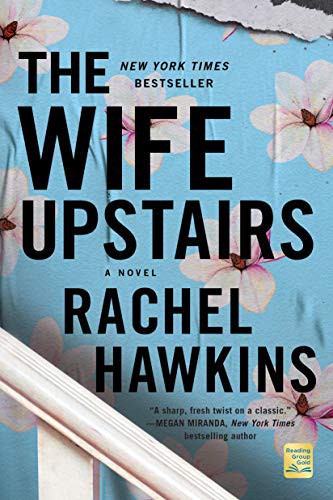
The Wife Upstairs is Rachel Hawkins's 2021 thriller that retells Jane Eyre in a wealthy Alabama suburb, where a broke dog walker falls for a widower whose wife vanished on a lake. For readers who like twisty domestic suspense.
New books, occasionally