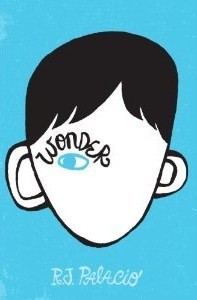
Wonder by R. J. Palacio is a novel about August Pullman, a ten-year-old boy with a facial difference who goes to school for the first time in fifth grade. For readers who want the plot, the narrators and the book's lesson on kindness.
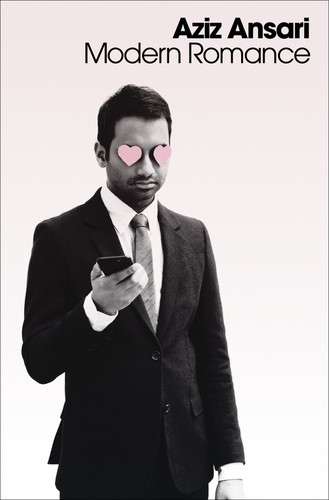
by Aziz Ansari and Eric Klinenberg
2015 · 288 pages · Summary updated 24 October 2026
Modern Romance by comedian Aziz Ansari and sociologist Eric Klinenberg uses focus groups and research to show how phones, apps and endless choice changed dating. For anyone confused by dating today.
Comedian Aziz Ansari teamed up with NYU sociologist Eric Klinenberg to study why dating feels so hard. Their answer: within two generations, romance moved from marrying someone down the street to searching for a soul mate among endless options. Smartphones, texting and online dating give people more choice than ever, but more choice makes decisions harder and less satisfying. Drawing on focus groups in several countries, interviews and data from dating sites, the book covers texting games, online profiles, the paradox of choice, dating cultures from Tokyo to Buenos Aires, cheating and settling down. Its advice: meet people sooner, invest in fewer, and give them a real chance.
Ansari and Klinenberg found that older generations often married someone who lived nearby, after a short courtship. A 1932 Philadelphia study found about one in three couples lived within five blocks of each other. Marriage was a family and economic arrangement, then a companionate partnership. Today many people want a soul mate who fulfills them personally. That raises the bar, and it makes the search longer and harder.
People now marry later and spend their twenties studying, working, moving and dating. Psychologists call this stage emerging adulthood. It means people meet far more potential partners than their grandparents did. The authors see benefits: more freedom and often better matches. But the long search also brings more doubt, because there is always another option and no clear moment to stop looking.
Phone calls gave way to texts, which are easy to send but easy to misread. The authors collected vague openers like a lone hey and stories of people waiting a set time before replying. Research suggests playing hard to get can raise interest in some cases, which Ansari reports reluctantly. His advice is to ask for a specific plan at a specific time instead of hiding behind vague messages.
The authors apply Barry Schwartz's paradox of choice to dating. In Sheena Iyengar's jam study, shoppers who saw many jams were less likely to buy than those who saw a few. Too many options make people anxious and less satisfied. Dating apps turn many people into maximizers, who keep searching for the best, instead of satisficers, who choose someone good and invest in them.
Dating site data show a gap between the partners people say they want and the people they respond to. Profiles predict little about attraction in person. So the authors suggest using online dating to meet people, not to judge them. Move from messages to a real meeting quickly, because only face-to-face time shows whether there is a connection.
Research distinguishes passionate love, the intense early feeling, from companionate love, the deep bond that develops over time. Passionate love fades in most relationships. The authors argue that daters judge people too fast, expecting instant fireworks. They suggest giving people more dates and choosing new, engaging activities together, since research suggests novel shared experiences can increase attraction.
Focus groups abroad showed wide differences. In Tokyo, the media described herbivore men who showed little interest in dating, which the authors link to long work hours and fear of rejection. In Buenos Aires, pursuit was open and persistent. In Doha, young people used phones to talk in secret because public contact was restricted. Technology plays out differently depending on local norms.
Smartphones make sexting common, make cheating easier to start and easier to discover, and tempt partners to snoop. Many people also end relationships by text. The authors do not condemn technology. They say it has helped many people find better partners. Their advice is to use the tools to meet people, then put the phone down and invest in a real person.
Aziz Ansari built much of his stand-up on the confusion of modern dating: unanswered texts, endless options and the fear of missing out. In Modern Romance (2015) he set out to understand why it all felt so hard. He partnered with Eric Klinenberg, a sociologist at New York University, to turn jokes into research.
They ran focus groups and interviews in cities including New York, Los Angeles, Wichita, Tokyo, Buenos Aires, Paris and Doha. They set up a forum on Reddit where thousands of people shared stories and screenshots. They spoke with researchers who study love and choice, among them Barry Schwartz, Sheena Iyengar, Helen Fisher, Eli Finkel and Sherry Turkle, and with data scientists at dating sites, including OkCupid. The book mixes these findings with Ansari's comic voice, charts and photos of real text messages.
Their core argument is that romance changed more in the last few generations than in centuries before. The tools changed, but so did the goal. People now look for something much bigger from a partner, and they search for it in a much bigger pool.
The book opens with older people. Ansari visited senior centers and asked residents how they met their spouses. Many married someone who lived in the same neighborhood or even the same building. They married young, often after a short courtship. The authors cite a 1932 study of marriage licenses in Philadelphia, which found that about one in three couples had lived within five blocks of each other before marriage.
Ansari's own parents had an arranged marriage. His father met a few families in India and chose his mother after a short meeting. Ansari, who spends hours choosing a restaurant, found that astonishing. Yet his parents' marriage is happy.
The authors explain the shift with the sociology of marriage. For most of history, marriage was an economic and family arrangement. In the twentieth century it became a companionate marriage, built on partnership and shared work. Today many people want a soul mate marriage: a partner who is a best friend, lover and source of personal fulfillment. That is a higher bar.
At the same time, people marry later. They spend their twenties in what psychologists call emerging adulthood, studying, working, moving and dating. They meet many more potential partners than their grandparents did. This gives more freedom and better matches for many, but it also creates more pressure and more doubt.
A large part of the book covers how people ask each other out. Phone calls have largely given way to texts. Texting makes it easy to reach out, but it also strips away tone and invites overthinking.
Ansari collected examples of texts from the Reddit forum and focus groups. Some were confident and specific. Many were vague, such as a single "hey" or "what's up," which put all the work on the other person. People told stories of waiting a set time before replying so that they would not seem too eager. They analyzed every punctuation mark with friends.
The authors discuss research suggesting that playing hard to get can increase interest, at least for some people in some situations. Uncertainty makes people think about each other more. Ansari dislikes this conclusion, but he reports it. He also notes the downside: games can attract people who like games and push away people who want something stable.
His practical advice is simple. Ask for a specific plan at a specific time. Do not hide behind vague messages. A clear invitation is both more attractive and more respectful.
The book reports that online dating had become one of the most common ways for couples to meet, and that marriages that began online were at least as stable as others. The authors see the sites as a useful way to meet people outside your usual circles, especially for groups with small local dating pools.
But the data show a gap between what people say they want and how they act. Daters write long lists of requirements and then respond to people who do not meet them. Profiles predict little about whether two people will feel attraction in person. The authors draw on psychologist Eli Finkel, whose review of online dating research found no good evidence that matching algorithms predict lasting attraction. The authors suggest treating online dating as an introduction service, not a matching service. The aim is to move from messaging to meeting quickly, because the real test happens face to face.
The central idea of this part is the paradox of choice, from psychologist Barry Schwartz. The authors also cite a study by Sheena Iyengar in which shoppers who saw a large display of jams were less likely to buy than shoppers who saw a small one. More options can make people more anxious, less able to decide and less satisfied with what they choose.
Schwartz distinguishes maximizers, who search for the best option, from satisficers, who choose something good enough. In dating, a phone full of profiles turns many people into maximizers. They keep looking because someone better might be one swipe away. The authors argue that this makes it harder to invest in the person in front of you.
The authors argue that people judge partners too fast. They draw on research about the difference between passionate love, the intense early feeling, and companionate love, the deeper bond that grows over time. Anthropologist Helen Fisher, who scanned the brains of people in love, compares early passionate love to a drug. Like a drug high, it fades in most relationships. Companionate love can last and grow.
They suggest that daters give people more time and more dates. Attraction often builds slowly as two people learn about each other. They also suggest more interesting dates than a drink at a bar. Research by Arthur Aron and others suggests that new and exciting shared activities can increase attraction between partners.
The focus groups abroad show how much culture shapes romance.
Phones also changed what happens inside relationships. The book discusses sexting, which many focus group members saw as a normal part of dating. It discusses how phones make it easier to cheat and easier to get caught, and how many people snoop on a partner's phone. It covers breakups by text, which many people saw as cowardly but common.
The authors report research on why people cheat and how attitudes to infidelity differ between countries. They also look at the debate over open relationships and polyamory. They do not take a strong position. Their point is that technology increases temptation and exposure at the same time.
The last part looks at what happens after the search. More couples live together before marriage, and many delay marriage until they feel financially secure. The authors find that the cultural ideal of the soul mate puts pressure on long relationships, because passionate feelings fade and no partner can meet every need.
Their conclusion is not anti-technology. They say modern tools have helped many people find better partners than earlier generations could. But they encourage readers to use the tools to meet people, then put the phone down and invest in someone real.
Reviewers praised the book as funny and accessible but noted its limits as research. The focus groups were small and drawn mostly from urban, educated, straight, middle-class participants, so the findings do not represent everyone. Some critics found the mix of comedy and sociology uneven. Apps and texting habits changed fast after 2015, so parts of the technology discussion have dated. In 2018 a woman published an anonymous account of a date with Ansari in which she said she felt pressured during a sexual encounter. Ansari said he believed it was consensual. Some readers revisited the book's dating advice in that light.
Read it if you want a light but research-based explanation of why dating feels hard now. It suits readers who like sociology told through stories, and it is less useful as a step-by-step dating manual.
11 cards
Question 1 of 5
Who co-wrote Modern Romance with Aziz Ansari?
Wonder by R. J. Palacio is a novel about August Pullman, a ten-year-old boy with a facial difference who goes to school for the first time in fifth grade. For readers who want the plot, the narrators and the book's lesson on kindness.
Ugly Love is Colleen Hoover's romance about Tate Collins, a nursing student who agrees to a no-strings affair with a guarded airline pilot, Miles Archer, whose past is a closed door. For readers who want a steamy, emotional love story with a heartbreaking backstory.
Zora Neale Hurston's novel about Janie Crawford, a Black woman in early 1900s Florida who moves through three marriages in search of real love and her own voice. For readers who want the plot, the themes and the meaning of the title.
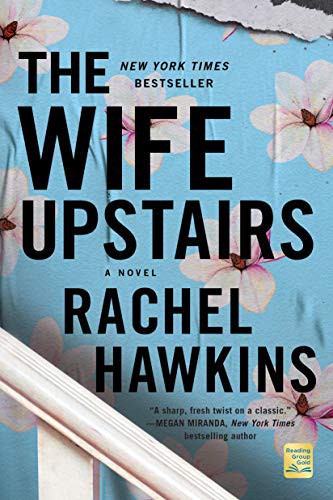
The Wife Upstairs is Rachel Hawkins's 2021 thriller that retells Jane Eyre in a wealthy Alabama suburb, where a broke dog walker falls for a widower whose wife vanished on a lake. For readers who like twisty domestic suspense.
New books, occasionally