Unlimited Memory by Kevin Horsley teaches the techniques memory champions use, from the SEE principle to the memory palace, in a short practical guide. For students and professionals who want to learn faster and remember more.
2017 · 288 pages · Summary updated 24 October 2026
I'm Fine...And Other Lies is comedian Whitney Cummings's 2017 memoir about codependency, an eating disorder, trauma and therapy, told as a funny self-help book. For people pleasers who always say they are fine.
Whitney Cummings, a stand-up comic and co-creator of 2 Broke Girls, was successful and falling apart. She was overworked, anxious and unable to say no, and she kept telling everyone she was fine. A therapist diagnosed her with codependency: she could not tolerate other people's discomfort, so she managed everyone's feelings and ignored her own. In short chapters she tells embarrassing and painful stories, from a fifteen-year eating disorder and assaults she never dealt with to the day her own pit bull nearly tore off her ear. She shares what therapy taught her and argues that admitting you are not fine is where recovery starts.
Cummings spent years telling everyone she was fine while she was overworked, sick and close to a breakdown. She argues that many people, especially women, are trained to hide their problems to keep others comfortable. The book's first lesson is simple: notice when you say you are fine, and ask whether it is true. She lists the cost of the lie: overwork, illness and pain she never dealt with.
Cummings first thought codependency meant being too clingy with a boyfriend. Her therapist defined it as being unable to tolerate other people's discomfort. A codependent person reacts to others' needs instead of acting on her own, cannot say no and cannot ask for help. Cummings saw herself in every part of that definition, from overcommitting at work to trying to fix strangers' lives.
As a child, Cummings learned that being funny got her attention and protected her. When her family mocked her bad haircut for months, she laughed along. She says the habit of laughing off cruelty eroded her self-esteem. Her talent for reading a room and making everyone comfortable helped her comedy career, but it also kept her from noticing her own needs.
Cummings was nearly raped by an ex-boyfriend and attacked by a stranger. Each time, she went back to work and said she was fine. Only years later did a therapist get her to talk about the assault. She also tried the Grinberg Method, which helped her release grief she had held back. The idea is that buried trauma shapes behavior until you face it.
Cummings describes a struggle with anorexia that lasted about fifteen years, followed by binge eating, sometimes in her sleep. She shows how controlling food gave her a sense of order when the rest of her life felt chaotic, and how it hurt her body and mind. Reviewers call this chapter the rawest in the book. She treats the illness as part of the same pattern of hiding what is wrong.
Recovery, for Cummings, means learning to say no, to let other people be disappointed and to ask for what she needs. It does not happen once. She says it is an ongoing practice. She learns to notice her old patterns, such as overcommitting or rescuing people, and to stop before she repeats them. The lesson applies to any people pleaser.
The book began when readers of her Lenny Letter essay stopped her in the street to say she had described them. Cummings draws on reading about vulnerability, including Brené Brown's work. She argues that when someone admits a weakness out loud, others feel less alone and less ashamed. Telling embarrassing and painful stories, with humor, is her way of making it safe for readers to admit their own.
I'm Fine...And Other Lies is the first book by the comedian Whitney Cummings, published in 2017. Cummings is a stand-up comic, actor and writer. She co-created the CBS sitcom 2 Broke Girls and created and starred in the NBC sitcom Whitney. She has called this book a funny self-help book. It mixes memoir, comedy and what she learned in years of therapy.
The book grew out of an essay she wrote for Lenny Letter, the newsletter run by Lena Dunham and Jenni Konner. In it she wrote about her codependency. Readers stopped her on the street, some in tears, to say the essay described them. She decided to write the book she wished she had read when she was younger.
The title names her main problem. For years she told everyone she was fine. She was not. She was overworked, anxious, physically sick and close to a breakdown. She says many people, women in particular, are taught to hide what is wrong and to keep everyone else comfortable.
The book is organized as a series of short chapters, each named plainly for its subject, such as the codependence chapter, the eating disorder chapter and the egg freezing chapter. The tone moves between jokes and very serious material.
Cummings explains that she first thought codependency meant spending too much time with a boyfriend. A therapist gave her a different definition. Codependency, she learned, is being unable to tolerate other people's discomfort. A codependent person reacts to others instead of acting on her own needs. She cannot stand up for herself or ask for what she wants.
She recognizes herself in this. She said yes to every request, took on too much work, stayed in draining relationships and tried to fix other people's problems. She describes breaking her shoulder while trying to impress a man. She describes the voice in her head, which spoke to her more cruelly than she would ever let anyone else speak to her.
The word "fine" becomes the book's frame. When you say you are fine, she argues, you are often hiding something.
Cummings traces her habits to her childhood. She learned early that being funny got her attention and protected her. When she got a bad bowl haircut as a child, her family mocked her for months in what she calls a family roast. She learned to laugh along. She says the habit of laughing off cruelty slowly wore down her self-esteem.
She also links her career to her codependency. Comedy, she suggests, is partly the work of reading a room and making everyone feel good. She was very good at it. She was much worse at noticing what she herself needed.
The book's most painful chapter covers her eating disorder. She describes a struggle with anorexia that lasted about fifteen years. In her teens she restricted food to a few items. Later she began binge eating, sometimes in her sleep, and woke to find wrappers of food she had eaten in the night. She explains how the illness gave her a sense of control and how it hurt her. Reviewers single out this chapter as the most raw in the book.
Other chapters cover her body in a lighter tone. She writes about her breasts and her body image, and about the pressure on women in entertainment to look a certain way. She describes body dysmorphia, the habit of seeing flaws that others do not see. She also describes a surprise diagnosis of scoliosis.
Cummings writes briefly and directly about two assaults. An ex-boyfriend nearly raped her, and a stranger attacked her. At the time she did not seek help. She went back to work and told herself she was fine. Years later, a therapist encouraged her to talk about the assault for the first time.
She describes several kinds of treatment. Some therapists did not help. Others did. She tried the Grinberg Method, a body-based practice that encourages people to release grief they have held back, which for her meant crying for the first time about events she had buried. She learned to notice her patterns and to stop.
Cummings writes about sexism in stand-up and in Hollywood. She describes hecklers and audiences who treat a woman on stage differently from a man. She reflects on her years as a regular on televised comedy roasts, where she told and received harsh jokes about looks and sex, and how those jokes felt afterward.
She also writes about freezing her eggs, a choice she made to give herself time and options, and about an abortion she had as a teenager.
Some chapters are stories she says she could not tell on stage. Her own pit bull attacked her and nearly tore off her ear, which had to be sewn back on. She describes nearly ending up in prison in Guatemala, and an encounter with drunk men in a Las Vegas hotel hallway that she analyzed for days. She describes performing in the Middle East and a lesson she learned from women there about wearing headscarves, which challenged her assumptions.
The point of these stories is the same. She keeps making the same mistake: putting other people's comfort first, ignoring the warning signs and pretending she is fine.
By the end, Cummings does not claim to be cured. She says recovery is ongoing. Alongside therapy, she joined a 12-step program for codependency. She has learned to say no, to tolerate other people's disappointment and to ask for what she needs. She has also learned to notice her perfectionism, which pushed her to overwork for years. She has learned that admitting weakness is not failure. She says reading about vulnerability, including the researcher Brené Brown's work, gave her courage. Her message is that people feel less alone when someone says the true thing out loud.
Reviewers found the book frank, funny and moving in its serious chapters. Some readers say the self-help and codependency sections lean on therapy jargon, and that the book jumps between topics with no clear timeline. Some who expected a light comedy memoir were surprised by how much of it deals with illness and trauma.
Read it if you are a people pleaser, if you say "I'm fine" when you are not, or if you want a funny entry point into codependency and therapy. Readers with eating disorders or trauma should know the book discusses both openly.
11 cards
Question 1 of 5
Which sitcom did Whitney Cummings co-create?
Unlimited Memory by Kevin Horsley teaches the techniques memory champions use, from the SEE principle to the memory palace, in a short practical guide. For students and professionals who want to learn faster and remember more.
The Last Black Unicorn is Tiffany Haddish's comic memoir of a South Central Los Angeles childhood, foster care, homelessness, an abusive marriage and her rise to stardom with Girls Trip. For readers who like raw, funny survival stories.
The Glass Castle by Jeannette Walls is a memoir of growing up poor and often hungry with a brilliant, alcoholic father and an artist mother who refused to settle down, and of how she escaped. For readers interested in family, poverty and resilience.
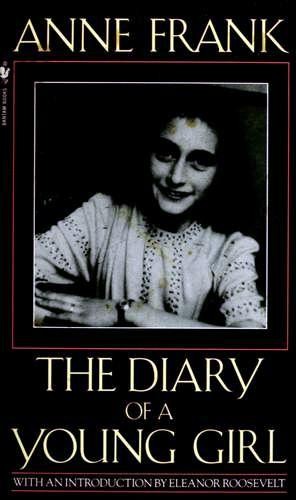
The Diary of a Young Girl by Anne Frank is a Jewish girl's record of two years in hiding from the Nazis in an Amsterdam annex, from age 13 to 15. A summary for students and readers who want the history and the person behind it.
New books, occasionally