
Wonder by R. J. Palacio is a novel about August Pullman, a ten-year-old boy with a facial difference who goes to school for the first time in fifth grade. For readers who want the plot, the narrators and the book's lesson on kindness.
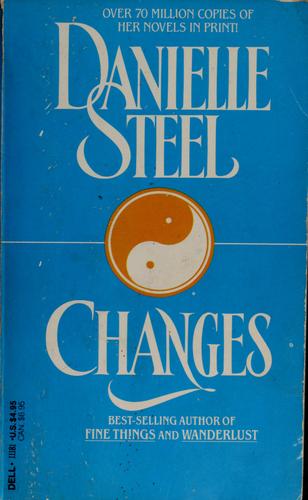
1983 · 448 pages · Summary updated 24 October 2026
Changes is Danielle Steel's 1983 novel about a New York TV news anchor and a widowed Los Angeles heart surgeon who fall in love and try to blend two careers and five children. For readers who like family drama with romance.
Melanie Adams is a star TV news anchor in New York and the single mother of teenage twin daughters. She has given up on love. On a story in Los Angeles about a sick child who needs heart surgery, she meets Peter Hallam, a famous heart surgeon and widower with three children. They fall in love across 3,000 miles. Mel gives up her New York career to marry him and moves into his house, still shaped by his late wife. Then the real story begins: resentful children, a teenage romance with a dangerous secret, a hostile housekeeper and a husband who does not see what she has given up.
Mel and Peter fall in love quickly during her reporting trip to Los Angeles. Steel spends most of the novel on what comes next: two careers, two cities, five children and a house full of the past. Time the two families spend together early on already shows the gap. The book argues that romance starts a marriage, but daily choices about work, homes and children decide whether it lasts.
Mel gives up her New York network job, her home and her daughters' old life to marry Peter. Peter changes almost nothing. He expects the household to run as it always has and does not notice her losses. Steel shows how quietly a one-sided sacrifice turns into anger. The lesson is that partners must name and honor what each one gives up.
Peter's late wife is gone, but her house, her routines and her housekeeper still shape his home. Mrs. Hahn is loyal to the old order. Pam treats Mel as a threat to her mother's memory. Mel feels like a guest in her own home. The novel shows that a new marriage needs a shared space, not just a new person in an old one.
Each child reacts to the new family differently. Pam rejects Mel out of grief for her mother. Mark and Val start a romance that leads to a dangerous secret. Mel's daughters miss the life they had in New York. Steel shows that a blended family is many separate adjustments at once, and that adults who ignore them pay a price later.
Val and Mark's romance leads to a pregnancy and an abortion that the two teenagers keep from their parents. When the secret comes out, the parents see how little they knew about their children's lives. The book suggests that children hide what they believe parents cannot handle, so open communication is a safety issue, not only a kindness.
Mel is a top New York anchor who built her career alone. To marry, she accepts a local news job in Los Angeles and works beside a colleague who resents her. The novel reflects the early 1980s question of whether a woman can keep a big career and a family, and who is expected to bend when both partners have demanding work.
Mel's pregnancy and the children's hostile reaction push her to a breaking point. Only then do Peter and the children see how much she has carried and how much she gave up to join them. They face their own behavior, and the family starts again on new terms. The ending suggests that a family must change for each member, not only ask one member to change.
Changes is a 1983 novel by Danielle Steel. It is a romance, but most of the book is about what happens after the romance: two adults with demanding careers and five children try to become one family. The title refers to all the changes that marriage forces on everyone involved, and to the question of who has to make them.
The heroine is Melanie Adams, known as Mel. She is a top television news anchor in New York. Her marriage failed long ago, and she raised her twin daughters, Jessica and Valerie, on her own. The girls are now teenagers. Mel has built a brilliant career, but after a failed marriage and an unhappy affair, she has given up on love. Her work and her daughters fill her life, and she believes there is no room for a man.
Mel's work takes her to Los Angeles for a news story about a sick child who needs heart surgery. The surgeon at the center of the story is Peter Hallam, one of the best-known heart surgeons in the country.
Peter is a widower. His wife died some years before, and her loss still shapes his home and his children. He is raising three children on his own: Mark, the oldest, a teenage boy; Pam, a teenage girl who is still deep in grief for her mother; and Matthew, the youngest.
Mel sees Peter at work with his patients. She admires his skill and his care. He admires her intelligence and her strength. Mel and Peter are drawn to each other quickly, but they live 3,000 miles apart, and both of them are tied to demanding careers. Neither expects a future.
Mel returns to New York, and the distance tests the relationship. Their feelings grow anyway. Each of them has a full life on one coast, and neither career can simply move. Steel spends these chapters on the practical side of love: distance, scarce time together and the question of whose life has to bend.
They try to bring their families together. The two families spend time together on vacation, and the trips show how hard a merger will be. Mark and Val are drawn to each other. Pam resents Mel and sees any new woman as a threat to her mother's memory. Five children with five different reactions are now part of the romance.
Still, Mel and Peter decide they want a life together. Someone has to move. Peter's work as a surgeon and his patients tie him to Los Angeles. So Mel is the one who makes the sacrifice. She leaves her New York job, takes a job on a local news program in Los Angeles and moves west with her daughters. Mel and Peter marry.
The marriage starts in Peter's house, and it still feels like his late wife's house. Her choices fill the rooms, and her memory is part of daily life. Mel feels like a guest in her own home.
The household also comes with Mrs. Hahn, the housekeeper. She is loyal to the old order and cool to the new wife. Peter does not see the problem. To him, the house is simply home.
Mel's daughters are unhappy too. They have left New York, their school and their friends. They have always had their mother to themselves. Now they must share her with a stepfather and three stepchildren in a house that does not feel like theirs.
At work, Mel faces new pressures. A colleague at the Los Angeles station resents her arrival and makes her job harder. She has traded a top job in New York for a local one, and she feels the loss.
The middle of the book is a series of family crises, and each one tests the marriage.
Mark and Val's romance becomes serious, and it leads to the book's most dangerous secret: a pregnancy and an abortion that the two teenagers keep from their parents. The crisis forces Mel and Peter to face how little they knew about what was happening under their own roof.
Pam's grief for her mother turns into open hostility toward Mel. She rejects her stepmother and every attempt Mel makes to reach her. Peter tends to defend his children and to see Mel's arrival as the source of their problems.
Through it all, Mel feels alone. Peter is a devoted surgeon who spends long hours at the hospital. When he comes home, he expects the household to run smoothly, as it did before. He does not see how much Mel has given up for him, or how she is struggling.
Then Mel discovers that she is pregnant. She has a demanding job, and the household is already strained. When the children learn of it, they react badly.
The pregnancy brings all of the family's unspoken tensions to the surface: Mel's lost career, the late wife's lingering presence, the children's resentment and Peter's blindness to his wife's sacrifices. For Mel, it raises the question the whole book has been building toward: how much more can she change for this family, and what is anyone willing to change for her?
Steel gives each child a clear reaction to the new marriage, so the family's problems feel like a set of separate battles that Mel must fight at once.
This section reveals the ending.
Mel's pregnancy and the family's reaction push her to a breaking point. The family is finally forced to see how much she has carried for them and how much she gave up to join them. Peter and the children face their own part in pushing her away.
The ending is happy, in Steel's usual style. The family reconciles and agrees to start fresh, as a new family rather than an old one with a new member, and Mel's baby becomes part of it.
The 1991 television film tells the ending this way: Mel leaves for San Francisco for a while, the family recognizes how it has treated her, and she comes back. The family then moves to a larger house, and Mel gives birth to twins.
Who sacrifices in a marriage. Mel gives up her career, her city and her home. Peter changes very little. The novel asks why the woman is expected to make the changes, and shows the damage when that sacrifice goes unseen.
Blended families. Each child reacts to the marriage in a different way: grief, hostility, rivalry, romance. Steel shows that two adults falling in love does not make their children a family.
Grief and memory. The late wife's presence in the house and in Pam's heart shapes everything. Moving forward requires honoring the dead without letting them rule the living.
Career versus family. Mel has to weigh a public career she built alone against a private life she wants. The book reflects a question many working women faced in the early 1980s.
Read it if you enjoy Danielle Steel's family dramas, or if you want a story about remarriage, stepchildren and the hidden costs of starting over. NBC adapted it as a television film in 1991, starring Cheryl Ladd and Michael Nouri.
11 cards
Question 1 of 5
Why does Mel first travel to Los Angeles?
Mel's pregnancy and the children's hostile reaction push her to a breaking point. Only then do Peter and the children see how much she has sacrificed. They face their behavior, and the family agrees to start fresh. In the 1991 TV film, she leaves for San Francisco for a while, comes back, and gives birth to twins.
Wonder by R. J. Palacio is a novel about August Pullman, a ten-year-old boy with a facial difference who goes to school for the first time in fifth grade. For readers who want the plot, the narrators and the book's lesson on kindness.

Ugly Love is Colleen Hoover's romance about Tate Collins, a nursing student who agrees to a no-strings affair with a guarded airline pilot, Miles Archer, whose past is a closed door. For readers who want a steamy, emotional love story with a heartbreaking backstory.
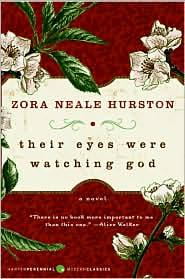
Zora Neale Hurston's novel about Janie Crawford, a Black woman in early 1900s Florida who moves through three marriages in search of real love and her own voice. For readers who want the plot, the themes and the meaning of the title.

The Wife Upstairs is Rachel Hawkins's 2021 thriller that retells Jane Eyre in a wealthy Alabama suburb, where a broke dog walker falls for a widower whose wife vanished on a lake. For readers who like twisty domestic suspense.
New books, occasionally