
Wonder by R. J. Palacio is a novel about August Pullman, a ten-year-old boy with a facial difference who goes to school for the first time in fifth grade. For readers who want the plot, the narrators and the book's lesson on kindness.
1959 · 151 pages · Summary updated 24 October 2026
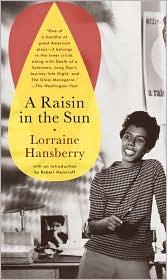
A Raisin in the Sun is Lorraine Hansberry's 1959 play about a Black family in Chicago who fight over how to spend a life insurance check, and the white neighborhood that does not want them. For readers who want the plot, themes and ending.
The Youngers, a Black family of five, share a cramped apartment on Chicago's South Side. A ten-thousand-dollar life insurance check is on its way after the father's death. Walter Lee wants to invest it in a liquor store. His sister Beneatha needs it for medical school. His mother, Lena, known as Mama, wants a house with a yard, and she buys one in Clybourne Park, a white neighborhood. A white neighbor offers to buy them out, and a business partner betrays Walter. Lorraine Hansberry shows what happens to dreams deferred and asks what a family owes its pride.
The play takes its title from Langston Hughes's question: does a deferred dream dry up like a raisin in the sun, or explode? Every Younger has a dream on hold. Mama and Big Walter never bought their house. Walter wants to be his own boss. Beneatha wants to be a doctor. Ruth wants room to breathe. Hansberry shows the different results. Walter's frustration explodes into drinking and a reckless deal. The example is Mama's plant, which survives on almost no light, like her dream.
The check is the first real money the family has ever had. Walter says money is life, and Mama is shocked: in her day, freedom was life. Hansberry treats both views seriously. Money is the only way out of the apartment. It also tempts Walter to put his hope in a liquor store with men he barely knows. The example is the sixty-five hundred dollars Mama gives Walter, which he loses in a day.
Mama buys in Clybourne Park because houses for Black families elsewhere cost twice as much. Karl Lindner arrives with polite words about community and an offer to buy the family out at a profit. Hansberry shows the quiet machinery of segregation: neighborhood associations, offers, and the threat of violence, such as the bombing of a Black family's home that a neighbor reports in the full text. She drew on her own family's fight to live in a white Chicago neighborhood.
Walter believes being a man means being a businessman with a big car. Mama measures a man differently: by how he stands up for his family. She waits for him to tell Ruth to keep the baby, as his father would have done, and he says nothing. She hands him the money and the role of head of the family. Hansberry shows Walter learning that dignity cannot be bought. The example is his final speech to Lindner, made in front of his son.
Beneatha tries guitar, riding and photography, and argues about God. She rejects George Murchison, who wants her to be simple and assimilated. Asagai gives her Nigerian robes and tells her that her straightened hair is a sign of copying white standards. Hansberry uses her to explore what it means to be Black, American and a woman with ambition in the 1950s. The example is Beneatha's dance in the robes, which Walter joins with real joy for the first time.
After Walter loses the money and plans to take Lindner's offer, Beneatha says he is no brother of hers. Mama answers that there is always something left to love. The time to love someone most is when they are at their lowest and the world has whipped them, not when they have done well. Hansberry makes this the moral center of the play. Mama's love does not excuse Walter; it gives him room to recover.
Walter calls Lindner to accept the offer, then cannot go through with it in front of Travis. He tells Lindner that his family comes from people with pride, that his father earned the house, and that they will move in and be good neighbors. Lindner leaves without a deal. Hansberry does not show the move or the danger after it. She ends on a family that chooses its dignity over safety, and a mother who goes back for her plant.
“What happens to a dream deferred?”
“There is always something left to love.”
A Raisin in the Sun is Lorraine Hansberry's 1959 play about the Youngers, a Black family in a crowded apartment on Chicago's South Side, and the ten-thousand-dollar life insurance check that each of them wants to use for a different dream. It opened on Broadway in March 1959. It was the first play by a Black woman produced on Broadway, and its director, Lloyd Richards, was the first Black director of a Broadway play. Sidney Poitier played Walter Lee. The play won the New York Drama Critics' Circle Award, and Hansberry became the youngest American and the first Black playwright to receive it.
The title comes from Langston Hughes's poem "Harlem," printed at the start of the play. Hughes asks what happens to a dream deferred: does it dry up like a raisin in the sun, or does it explode?
Hansberry drew on her own life. In 1937 her father bought a house in a white neighborhood of Chicago, and the family faced hostile neighbors and a lawsuit that reached the Supreme Court as Hansberry v. Lee (1940). The play is set "sometime between World War II and the present," which in 1959 meant the 1950s, when many Chicago neighborhoods used agreements and threats to keep Black families out.
The main characters:
The main themes are dreams and what happens when they are deferred, race and housing, family and pride, money, and identity.
The apartment is small and worn. Five people share two bedrooms and a living room, and they share a bathroom in the hall with another family. Mama's one plant sits on the windowsill, struggling for light.
It is Friday morning. The check from Big Walter's life insurance, ten thousand dollars, will come tomorrow. Walter talks over breakfast about his plan. He and two friends, Willy Harris and Bobo, want to open a liquor store, and he needs the money as his share. Ruth is too tired to listen. Walter complains that the women in his life do not support him. Beneatha needs money for medical school, and Walter resents it, telling her to become a nurse or get married like other women.
Mama has her own dream. When she and Big Walter married, they planned to buy a house with a garden. They never did. She watched her husband work himself to death. She says she will not put the money into a liquor store, because she does not want to sell alcohol. She does not yet say what she will do.
Beneatha tries out new interests constantly: guitar lessons, horseback riding, photography. She is dating George Murchison, whom she calls shallow, and has met Joseph Asagai, a Nigerian student. When she says that God does not exist, that people do things for themselves, Mama slaps her and makes her repeat that in her mother's house there is still God.
The next day, Asagai visits with a gift: Nigerian robes and records. He calls Beneatha a woman who is searching for her identity. He teases her about her straightened hair, which he calls mutilated.
Ruth learns she is pregnant. She has gone to a woman about an abortion and already paid a deposit. The check arrives. Walter, desperate, makes his case to his mother again. Mama tells him about Ruth and waits for him to tell his wife they will have the baby, as his father would have done. Walter says nothing, and leaves.
Beneatha appears in the Nigerian robes and dances to the records. Walter comes home drunk, climbs on the table and joins her, shouting as if he were a Kenyan warrior. Ruth turns off the music when George arrives for a date. George mocks Beneatha's interest in Africa, and Walter tries to impress him with business talk. George is condescending, and Walter, humiliated, mocks him in turn.
Walter and Ruth share a rare moment of tenderness. Then Mama comes home and announces that she has made a down payment on a house. It has three bedrooms and a yard where Travis can play. It is in Clybourne Park, a white neighborhood. She bought it because houses for Black families in other parts of the city cost twice as much. Ruth is overjoyed. Walter is bitter. He tells his mother she has butchered up his dream.
For three days Walter does not go to work. He drives around and drinks at a bar, and his boss's wife calls to say he will lose his job. Mama realizes that she has crushed her son. She gives him the rest of the money, sixty-five hundred dollars. He must put three thousand into a savings account for Beneatha's medical school. The rest is his to manage, as the head of the family now. Walter is transformed. He tells Travis about the man he will be in seven years: a businessman with a big car and a house with a garden, and money to send Travis to any college he wants.
A week later, on moving day, the family is packing. Ruth is happy for the first time in the play. A visitor arrives. Karl Lindner, from the Clybourne Park Improvement Association, speaks politely about community and how people are happier living among their own kind. Then he makes an offer: the association will buy the house from the family at a profit, so that they will not move in. Walter throws him out.
The family gives Mama gifts: gardening tools and a large gardening hat. Then Bobo arrives. He tells Walter that Willy Harris has disappeared with all the money. Walter did not put three thousand dollars in the bank for Beneatha. He gave all of it to Willy. Mama beats her son across the face and asks God for strength.
This section reveals the ending.
An hour later the apartment is gray. Beneatha tells Asagai that she has given up on becoming a doctor. She used to want to heal people, she says, but now she sees no point. Asagai argues that progress is a long line, not a circle, and that people who give up have stopped believing in the future. He asks her to marry him and come to Nigeria, and leaves her to think about it.
Walter has called Lindner. He will accept the money to stay out of Clybourne Park. He acts out the scene for his family in a bitter performance, imitating a servant begging a white master. Beneatha says this man is not her brother. Mama answers her with the play's central speech: there is always something left to love. The time to love somebody most is not when they have done well, but when they are at their lowest and the world has beaten them.
The movers arrive, and so does Lindner. Mama insists that Travis stay and watch his father make the deal. Walter begins to speak, stumbling. Then he tells Lindner about his family. They are plain people. His father was a laborer for most of his life. They come from people who had a lot of pride. His sister is going to be a doctor. They have decided to move into their house because his father earned it brick by brick. They will not cause trouble, and they want to be good neighbors. They do not want his money. Lindner appeals to Mama, who says her son has spoken for the family. Lindner leaves.
The family rushes to finish packing. Beneatha and Walter argue about Asagai's proposal, and the bickering is normal again. Mama tells Ruth that Walter has finally come into his manhood today, like a rainbow after the rain. The family leaves. Mama stands alone in the empty apartment, then comes back for her plant.
The play does not show what happens in Clybourne Park. Lindner's visit makes clear that the move will be dangerous. In the full text, a neighbor, Mrs. Johnson, also brings a newspaper story about the bombing of a Black family's house.
Early reviewers praised the play as a universal family drama, which some, including Hansberry, felt missed its specific argument about race and housing. Later critics, such as Harold Cruse, called it too middle-class and too hopeful about integration. Others have since read it as a radical play that faces segregation, African identity and women's choices head-on, including Ruth's near abortion. The play was cut for its first production. Later editions and the 1989 television version restored scenes, including a visit from a neighbor, Mrs. Johnson, who warns the family about bombings. Bruce Norris's 2010 play Clybourne Park continues the story from Lindner's side.
Read it if you are studying the play or American drama about race. It suits anyone interested in family conflict, deferred dreams and the cost of standing up for yourself.
12 cards
Question 1 of 5
What does Mama refuse to spend the money on?
After Willy Harris steals the money, Walter plans to accept Karl Lindner's offer to keep the family out of Clybourne Park. In front of his son, he changes his mind and tells Lindner the family will move in because his father earned the house. Lindner leaves. The family moves, and Mama goes back for her plant.
Wonder by R. J. Palacio is a novel about August Pullman, a ten-year-old boy with a facial difference who goes to school for the first time in fifth grade. For readers who want the plot, the narrators and the book's lesson on kindness.

Ugly Love is Colleen Hoover's romance about Tate Collins, a nursing student who agrees to a no-strings affair with a guarded airline pilot, Miles Archer, whose past is a closed door. For readers who want a steamy, emotional love story with a heartbreaking backstory.
Zora Neale Hurston's novel about Janie Crawford, a Black woman in early 1900s Florida who moves through three marriages in search of real love and her own voice. For readers who want the plot, the themes and the meaning of the title.

The Wife Upstairs is Rachel Hawkins's 2021 thriller that retells Jane Eyre in a wealthy Alabama suburb, where a broke dog walker falls for a widower whose wife vanished on a lake. For readers who like twisty domestic suspense.
More in Fiction →More in Relationships →More in Society and history →
New books, occasionally