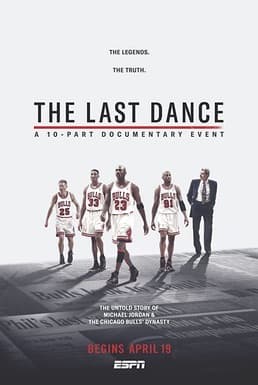
A 10-episode ESPN and Netflix docuseries on Michael Jordan and the Chicago Bulls, built around never-aired footage of their final title season. For anyone interested in drive, leadership and team dynamics.
Documentary
Directed by David Gelb
2011 · 1 h 21 min · Summary updated 3 November 2026
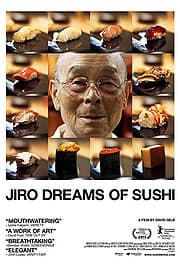
David Gelb's documentary about Jiro Ono, an 85-year-old sushi master who runs a 10-seat Tokyo restaurant with three Michelin stars, and what a lifetime of repetition costs and gives. For anyone who wants to master a craft.
Jiro Ono is 85 and still works every day behind the counter of Sukiyabashi Jiro, a 10-seat sushi bar in a Tokyo subway station with three Michelin stars. David Gelb's documentary argues that mastery is not a gift or a single breakthrough. It is the same simple work, repeated for decades, with a small improvement each day. Apprentices wring hot towels long before they touch fish. Each supplier masters one product. Jiro's elder son, Yoshikazu, works in his father's shadow and waits to inherit the counter. The documentary admires this total devotion, and it also shows the price: a narrow life, an absent father and a son who may never step out from behind him.
The documentary argues that excellence comes from repetition, not a single breakthrough. Jiro Ono makes sushi every day and tries to make it slightly better than the day before. At 85, he still does not claim to have reached perfection. The kitchen's change from massaging octopus for 30 minutes to about 45 minutes shows the method. It is a tiny adjustment that no diner requested. Decades of such changes are what lift his work above that of other skilled chefs.
Jiro's philosophy is that once you choose an occupation, you must give yourself to it and learn to love it. He does not wait for passion to arrive before he commits. The commitment comes first, and the love grows from the work. The documentary shows a man who has followed this rule for most of his life. It invites viewers to ask whether they are still deciding what to do, or whether they have already chosen and need to commit.
Jiro's apprentices begin far from the fish. They wring hot towels for diners and do basic tasks before they may prepare food, and the full path takes about ten years. Daisuke Nakazawa made the tamago egg dish around 200 times before Jiro approved one, and he says he cried when it finally passed. The documentary shows how slow, supervised repetition builds real skill, and how much patience it demands from the learner.
The food critic Masuhiro Yamamoto names five traits of great chefs. They take their work seriously. They always aim to improve. They keep everything clean. They are impatient, which makes them leaders rather than followers. And they stay passionate. The documentary uses Jiro as the model for all five. The list works outside a kitchen too: it describes a professional who holds high standards, keeps learning and pushes the people around them.
Jiro's sushi is only as good as his ingredients. The documentary follows the fish market, where each dealer specializes in one product. The tuna dealer buys only tuna and picks fish by a feel built over years. A rice dealer is just as particular about who gets his rice. The idea is that excellence rarely stands alone. It rests on suppliers, colleagues and tools that meet the same standard.
Yoshikazu, Jiro's elder son, is 50 and still works for his father. He buys the fish and runs much of the kitchen, yet the restaurant carries Jiro's name. One person in the documentary says he must be twice as good as his father to be judged equal. The documentary shows the quiet weight of inheriting a legend. His younger brother, Takashi, left to open his own restaurant and found more room to be himself.
Jiro admits he was rarely home when his sons were young. The documentary does not hide that his devotion to work shaped his family's lives as much as his own. Both sons entered the trade at his urging instead of going to university. The lesson is not that focus is wrong. It is that a life built around one goal also makes choices for other people, and that cost belongs in the calculation.
Availability in the US. Services change their catalogs, so check the price on the service before you pay.
Sukiyabashi Jiro has 10 seats. It sits in a Tokyo subway station, in a basement under an office building in Ginza. It serves only sushi, and when the documentary was made it held three stars from the Michelin Guide. Diners eat a fixed sequence of pieces chosen by the chef.
The chef is Jiro Ono, 85 when David Gelb records him. Gelb first planned a broad documentary about many sushi chefs. The food critic Masuhiro Yamamoto introduced him to Jiro, and Gelb changed his plan. The result is a portrait of one man, his restaurant and the two sons who work in the trade he chose for them.
The documentary moves slowly. Long close-ups show hands pressing rice and fish, set to music by Philip Glass. The repetition in the music matches the repetition in the kitchen. Gelb has said he picked Glass because the music repeats and builds, as Jiro's work does.
Jiro's method is simple to state. Choose your work. Commit to it completely. Learn to love it. Then do it every day and try to do it slightly better than yesterday. Jiro says that even at 85 he does not feel he has reached perfection. The title comes from his claim that he dreams of sushi at night.
The documentary shows what this looks like in practice. Jiro watches each diner. He notices whether a guest is left-handed and adjusts how he serves. The kitchen now massages octopus for about 45 minutes instead of 30, because Jiro decided the texture improves. No one outside the restaurant asked for the change. It is the kind of small step that, repeated for decades, separates his work from that of other good chefs.
Yamamoto, the critic, lists the traits he sees in great chefs:
The documentary presents Jiro as the model of all five.
Jiro trains apprentices the old way. A new apprentice starts with tasks far from the fish. He wrings out hot towels for the diners, again and again, before he may prepare food. The path to making sushi takes about ten years.
The clearest example is Daisuke Nakazawa, a senior apprentice. His task was the tamago, a sweet, layered egg dish. He made it around 200 times, and Jiro rejected every one. When Jiro finally approved a batch, Nakazawa says he cried with joy. The story shows both sides of Jiro's system. It produces excellence, and it asks for years of work with little praise.
Former apprentices also appear. Some now run their own restaurants. They describe Jiro as strict and demanding, and they credit him with their skills.
Jiro does not work alone. The documentary follows the fish market, where Yoshikazu now does the buying. Each dealer there specializes. The tuna dealer buys only tuna and says he picks the best fish by feel, built over years of experience. A rice dealer is just as particular about who gets his rice.
The point is that mastery depends on a chain of other masters. Jiro's sushi is only as good as his fish and rice, and his suppliers apply the same single-minded focus to their own small field. The documentary suggests that this kind of specialization is a culture, not just a personal habit.
The emotional center of the documentary is Yoshikazu, Jiro's elder son. He is 50 and still works for his father. As boys, both sons wanted other lives, and Jiro steered them into apprenticeships instead of university. Since Jiro's heart attack at age 70, Yoshikazu has bought the fish at the market each morning. According to the documentary, Yoshikazu, not Jiro, made the sushi on the day the Michelin inspectors came.
Yet the restaurant carries his father's name. One person in the documentary says Yoshikazu will need to be twice as good as his father just to be seen as equal. Yoshikazu does not complain on camera. He waits.
The younger son, Takashi, left to open his own restaurant in Roppongi Hills. Its layout is a mirror image of his father's. The documentary presents his departure as a kind of freedom that his brother does not have.
Jiro admits that he was rarely home when his sons were children. He left home young himself and had to make his own way. The documentary lets these facts sit side by side with his achievements and does not resolve the tension.
Near the end, Yoshikazu talks about the fish supply. He says good fish is harder to find and that overfishing threatens some species. He also notes that cheap, mass-market sushi has changed what people expect. The question for the next generation is whether Jiro's standard can survive in a world with fewer great fish.
The documentary does not argue for or against Jiro's way of life. It shows a man who has given almost everything to one thing and who seems content with the trade. It also shows the people who pay part of the cost.
Most reviews are warm, but some critics question the portrait. Roger Ebert called the documentary a portrait of tunnel vision. Slant Magazine described it as close to hagiography, though still engrossing. Laura Clifford of Reeling Reviews felt that it stays too long with a fish market trader, which makes it seem padded to reach feature length.
Watch it if you are trying to master a skill and want a picture of what deliberate, daily practice looks like over a lifetime. It also suits anyone thinking about work, family and the price of total focus.
Book 1 of 4 · 2012
by Robert Greene
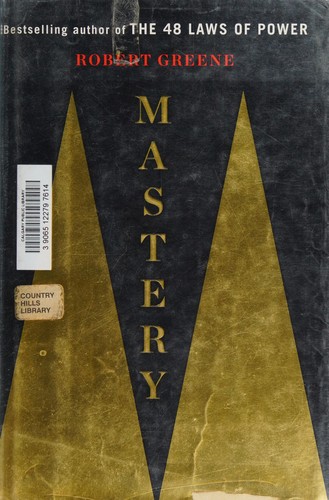
Greene maps the long apprenticeship that Jiro's kitchen shows, from years of practice to creative command of a field.
Book 2 of 4 · 2016
by Héctor García and Francesc Miralles
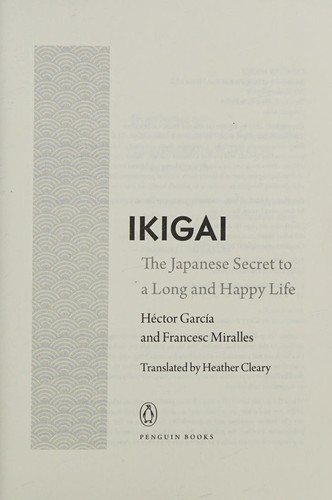
It explores the Japanese idea of a reason to live, which helps explain why Jiro still works at 85.
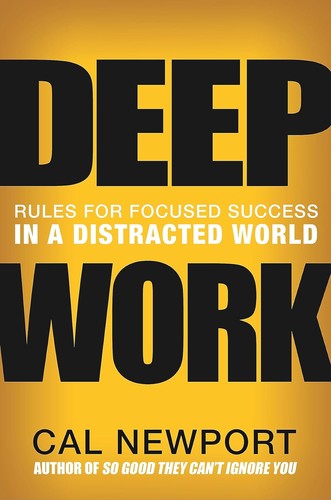
Book 3 of 4 · 2016
by Cal Newport
Newport explains how to build the focused, distraction-free practice that Jiro applies to one craft.
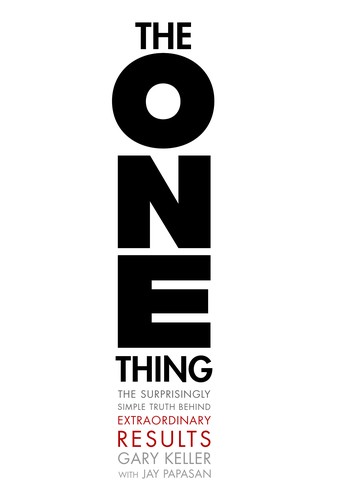
Book 4 of 4 · 2013
by Gary Keller and Jay Papasan
Keller and Papasan argue for narrowing your focus to one priority, which is Jiro's life in a single rule.
Store links may earn a commission.
12 cards
Question 1 of 5
Where is Sukiyabashi Jiro located?
A 10-episode ESPN and Netflix docuseries on Michael Jordan and the Chicago Bulls, built around never-aired footage of their final title season. For anyone interested in drive, leadership and team dynamics.
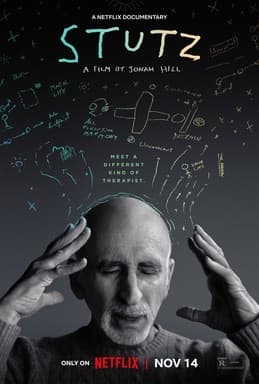
Jonah Hill's documentary about his psychiatrist, Phil Stutz, and the simple drawn tools Stutz uses to help patients handle pain, fear and change. For anyone curious about practical therapy.
Matt D'Avella's documentary follows Joshua Fields Millburn and Ryan Nicodemus, known as The Minimalists, and others who chose to own less in order to live more deliberately. For anyone who feels buried by stuff, debt or busyness.
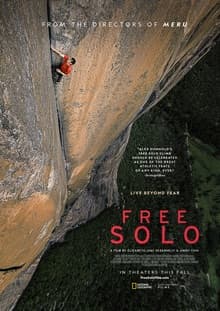
The Oscar-winning documentary about Alex Honnold's attempt to climb El Capitan without a rope. For anyone curious about fear, preparation and the cost of chasing one goal.
New books, occasionally