1 h 28 min
A 2021 documentary that follows physician Gabor Maté as he argues that unhealed trauma lies beneath much addiction, mental illness and chronic disease. For readers of Maté and anyone curious about trauma-informed care.
Documentary
Directed by Robert Kenner
2008 · 1 h 34 min · Summary updated 3 November 2026
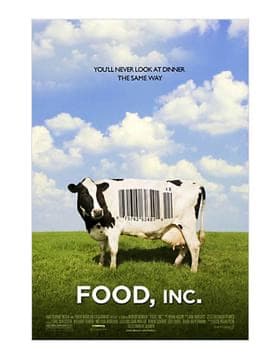
Robert Kenner's documentary looks inside American industrial food: chicken houses, feedlots, slaughterhouses and seed patents. For anyone who wants to know where supermarket food comes from.
Food, Inc. argues that a few large companies control American food from seed to slaughterhouse, and that they hide how it is made. Robert Kenner, with the authors Eric Schlosser and Michael Pollan as guides, shows chicken bred to grow too fast, cattle fed cheap subsidized corn, deadly E. coli outbreaks, low-paid slaughterhouse workers and farmers sued over patented seeds. The documentary argues that this system makes unhealthy calories the cheapest choice and leaves regulators weak. It ends with a call to vote with every meal: buy local and organic, read labels and push for safer food. Industry groups and some critics say it is one-sided.
The documentary opens in the supermarket and argues that the red barns and green fields on packaging hide how most food is made. In its account, a handful of companies control each stage of the chain, and they keep the public from seeing inside. The documentary states that Tyson, Perdue, Smithfield and Monsanto declined to be interviewed. The point for the viewer is to treat food packaging as marketing, not information.
The documentary argues that fast food chains demanded huge amounts of cheap, uniform meat, and the farm system changed to supply it. Chickens are bred to grow faster and larger. Carole Morison, a Perdue grower, shows birds kept in crowded, dark houses, some too heavy to walk well. The documentary presents her as one of the few growers willing to let cameras inside.
The documentary argues that government subsidies make corn very cheap, so it ends up in a large share of supermarket products, often as high fructose corn syrup and other ingredients most people do not notice. Cheap corn also changed how cattle are fed, moving them from grass to feedlots. The lesson is to read ingredient lists and notice how many products depend on the same crop.
The documentary links corn-fed cattle and crowded feedlots to the dangerous E. coli O157:H7 strain. Barbara Kowalcyk tells how her two-year-old son, Kevin, died after eating a contaminated hamburger. She campaigns for Kevin's Law, which would let the USDA close plants that repeatedly produce contaminated meat. The documentary argues that regulators lack this power and that the industry's fixes, such as ammonia-treated beef, treat symptoms, not causes.
The Gonzalez family explains that a fast food meal costs less than fresh vegetables and takes no time to cook. The documentary uses their story to argue that the system makes unhealthy calories the easy choice, and it links this to type 2 diabetes. It also shows low-paid, often immigrant workers at Smithfield's Tar Heel pork plant. Its point is that the low price at the register leaves other costs to health, workers and the environment.
Monsanto sells patented soybean seeds engineered to survive its Roundup weed killer, and buyers agree not to save and replant them. The documentary argues that the company pursues farmers it suspects of breaking these rules and that legal costs push many to settle. It follows Moe Parr, a seed cleaner Monsanto sued. Monsanto disputes the documentary's account, but the chapter raises a real question about who owns the means of farming.
The documentary ends on hope. Joel Salatin shows a pasture-based farm with nothing to hide, and Stonyfield's Gary Hirshberg argues that selling organic food through Walmart shows that demand can move giant companies. The closing message is that every purchase is a vote. Its suggested steps are to buy local, seasonal and organic food, read labels, shop at farmers' markets, plant a garden and press lawmakers for safer food.
Availability in the US. Services change their catalogs, so check the price on the service before you pay.
Food, Inc. is a documentary directed by Robert Kenner. It premiered at the Toronto International Film Festival in 2008 and opened in US theaters in June 2009. Its two main guides are the writers Eric Schlosser, author of Fast Food Nation, and Michael Pollan, author of The Omnivore's Dilemma. Schlosser is credited as a co-producer and Pollan as a special consultant. The documentary was nominated for the Academy Award for Best Documentary Feature.
Its starting point is the supermarket. The documentary argues that the images on food packages, red barns and green fields, hide how most American food is really made. In its account, a few large companies now control each stage of the chain, from seeds to slaughterhouses, and they work to keep consumers from seeing inside. The documentary states that Tyson, Perdue, Smithfield and Monsanto declined to be interviewed.
The documentary is organized in chapters. Each one takes a part of the system and puts a human face on it.
The first chapters look at meat and grain. The documentary argues that fast food chains changed farming by demanding huge amounts of uniform, cheap meat. Chicken companies now breed birds that grow much faster and larger than in the past. Carole Morison, a grower for Perdue, lets the crew inside her chicken houses, which most growers will not do. She shows birds kept indoors in crowded, dark houses, some too heavy to walk well.
Corn is the other foundation. The documentary argues that government subsidies make corn so cheap that it ends up in a large share of supermarket products, often as high fructose corn syrup and other ingredients most people never notice. Cheap corn also changed how cattle are raised. Instead of grass, cattle in feedlots eat corn, which the documentary presents as unnatural for their digestive systems.
The documentary links the feedlot to a deadly strain of bacteria, E. coli O157:H7. It argues that feeding cattle corn helps this strain develop in their guts, and that crowded feedlots and fast slaughter lines spread it into meat.
The emotional center of the documentary is Barbara Kowalcyk. Her two-year-old son, Kevin, died after eating a contaminated hamburger in 2001. Together with her mother, Patricia Buck, she campaigns for Kevin's Law, a bill that would give the US Department of Agriculture the power to close plants that repeatedly produce contaminated meat. The documentary argues that regulators lack this power and that former industry figures hold key posts in the agencies meant to oversee the industry.
The documentary also visits Beef Products, Inc., whose founder, Eldon Roth, explains his company's process of treating beef trimmings with ammonia to kill bacteria. The documentary presents this as a technical fix for a problem the system created.
The documentary then turns to people who eat this food. It follows the Gonzalez family, a working family, as they choose between a fast food meal and groceries. In their account, a burger costs less than fresh vegetables, and they have little time to cook. The documentary uses their story to argue that the food system makes unhealthy calories the cheapest choice, and it links this to rising rates of type 2 diabetes.
It also looks at the workers who make cheap meat possible. At the Smithfield pork plant in Tar Heel, North Carolina, which the documentary describes as the largest slaughterhouse in the world, many workers are poor or are immigrants. Eduardo Peña, a union organizer, argues that immigration raids target workers at their homes while the company itself faces little pressure.
One of the most discussed chapters is about Monsanto. The company sells soybean seeds genetically engineered to survive its weed killer, Roundup, and it holds patents on them. Farmers who buy the seed agree not to save and replant it. The documentary argues that Monsanto pursues farmers it suspects of breaking these rules, and that the cost of fighting a lawsuit forces many to settle.
It presents Moe Parr, a seed cleaner whose business helps farmers clean saved seed. Monsanto sued him, and the documentary shows the strain the case puts on him and his customers. The documentary also notes laws in some states that let food companies sue critics, and it recalls the suit Texas cattlemen brought against Oprah Winfrey over her remarks about beef.
The documentary offers alternatives. Joel Salatin of Polyface Farm in Virginia raises cattle, pigs and chickens on pasture, and he slaughters chickens in the open air, where customers can watch. He argues that an open, small-scale farm is cleaner and more honest than a closed industrial one.
Gary Hirshberg, the head of the organic yogurt maker Stonyfield Farm, argues that working with big retailers such as Walmart is the fastest way to grow organic food. The documentary shows Walmart's interest in organic products as a sign that consumer demand can move giant companies.
The ending is a call to action. The documentary argues that consumers vote with every meal, and it lists steps: buy local, seasonal and organic food, read labels, shop at farmers' markets, plant a garden and press lawmakers for safer food.
Most reviews were positive, but several said the documentary tells one side. A reviewer in The Washington Times said it is hampered because few corporate executives agreed to appear, and a commentator in Forbes argued that it does not explain how the sustainable model it favors could feed the country or the world at an affordable cost. Monsanto set up a web page to answer the documentary and said it never declined to take part, which Kenner disputes; a meat industry alliance led by the American Meat Institute launched a site to dispute its claims, and Cargill criticized its "one-size-fits-all" answers.
Watch it if you want to see where supermarket food comes from and what the critics of industrial farming argue. Read the industry's responses as well, since the documentary does not present them.
Book 1 of 2 · 2015
by Yuval Noah Harari
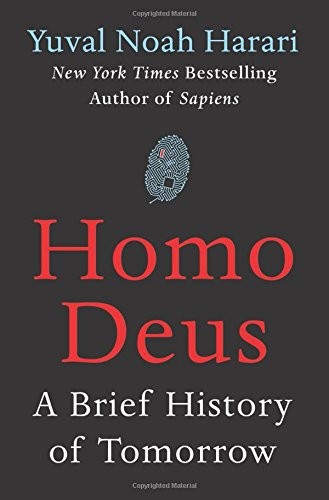
No book on the site covers the food industry, so this is a loose pair: Part I of Homo Deus opens with Harari's argument that industrial farming ignores the emotional needs of pigs, cows and chickens.
Book 2 of 2 · 2011
by Yuval Noah Harari
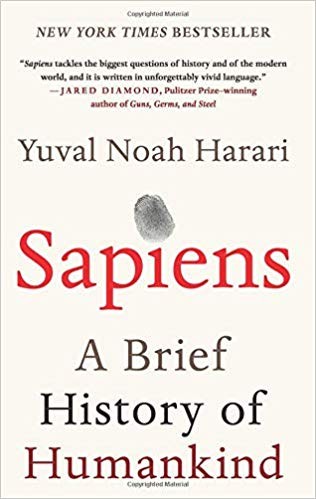
Another loose pair: Harari asks who really gained from the Agricultural Revolution and later describes what industrial agriculture costs farm animals, a long view of the system the documentary examines.
Store links may earn a commission.
12 cards
Question 1 of 5
What does Food, Inc. argue about the images on food packaging?
A 2021 documentary that follows physician Gabor Maté as he argues that unhealed trauma lies beneath much addiction, mental illness and chronic disease. For readers of Maté and anyone curious about trauma-informed care.
Former Google, Facebook and Twitter insiders explain how social media is built to hold attention, mixed with a scripted family drama. For anyone who wants to understand the attention economy.
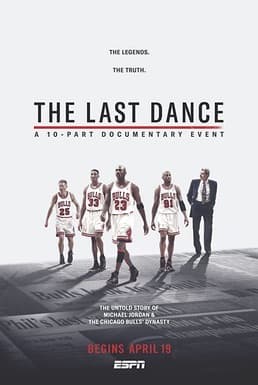
A 10-episode ESPN and Netflix docuseries on Michael Jordan and the Chicago Bulls, built around never-aired footage of their final title season. For anyone interested in drive, leadership and team dynamics.
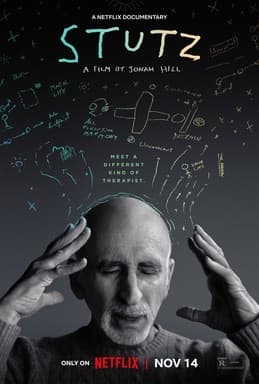
Jonah Hill's documentary about his psychiatrist, Phil Stutz, and the simple drawn tools Stutz uses to help patients handle pain, fear and change. For anyone curious about practical therapy.
New books, occasionally