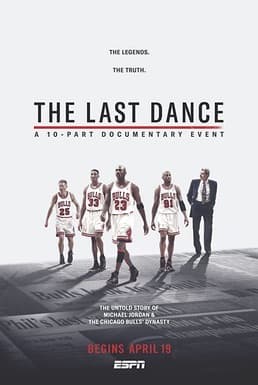
A 10-episode ESPN and Netflix docuseries on Michael Jordan and the Chicago Bulls, built around never-aired footage of their final title season. For anyone interested in drive, leadership and team dynamics.
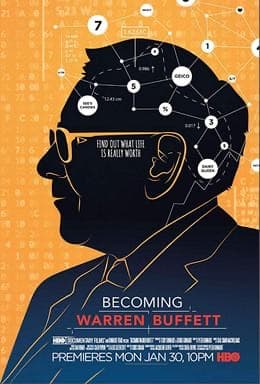
Documentary
Directed by Peter W. Kunhardt
2017 · 1 h 28 min · Summary updated 3 November 2026
HBO's 2017 documentary traces how Warren Buffett grew from a numbers-obsessed Omaha boy into one of the best-known investors in the world, and how his wife Susie shaped the man behind the money. For anyone curious about value investing and a frugal, rational life.
Becoming Warren Buffett argues that the investor's success rests on a few simple habits held for a lifetime. Buy good businesses for less than they are worth. Let compounding work for decades. Stay calm when other people panic. Live well below your means. The documentary follows Buffett from a Depression-era childhood in Omaha to his studies under Benjamin Graham and his long run at Berkshire Hathaway. It also shows his limits: he was gifted with numbers and less so with people, and his first wife, Susie, did much to shape his conscience. It ends with his decision to give almost all of his fortune away.
The documentary shows how Benjamin Graham taught Buffett to see a share as part ownership of a company, not a price that moves on a screen. That view changes the questions you ask. Instead of guessing where the price will go, you ask what the business earns and what it is worth. Buffett built his career on this shift. It turns investing from prediction into analysis of real companies, their products and their profits.
Graham's central rule is to buy only when the market price sits well below a business's underlying value. The gap is the margin of safety. It protects you from mistakes in your own estimate and from bad luck. The documentary explains the idea with short animations and presents it as the core of Buffett's method. In practice, it means patience: most of the time, nothing is cheap enough, and the right move is to wait.
Buffett returns again and again to compound interest. Returns that earn their own returns grow slowly at first and then very fast. The documentary stresses that Buffett started as a boy and never stopped, so his gains had decades to build on each other. The lesson for ordinary savers is that starting early and staying invested often matters more than finding the perfect investment.
The documentary argues that Buffett's edge is emotional as much as analytical. He stays rational when others act from fear or greed, and he is willing to look wrong for a while. The New Yorker's James Surowiecki noted that the same detachment that made Buffett hard to know also helped him invest. For most investors, the hardest part is not finding information. It is not reacting to every swing in price.
In the documentary, Buffett still lives in the house he bought in 1958. He drives himself to work and buys breakfast at a McDonald's drive-through, picking a cheaper item when the market is down. The documentary presents this frugality as consistent with his investing. People who spend less keep more capital working, and they feel less pressure to chase risky returns. Wealth, in this view, is what you do not spend.
Young Buffett was terrified of public speaking. He took a Dale Carnegie course to fix it, and the documentary notes that its certificate is the only diploma on his office wall. The point is that he treated a personal weakness like an investment problem. He found the gap, paid to close it and drew returns from it for life. Communication later became central to his role as a public voice for investors.
Susie Buffett is the emotional center of the documentary. She was warm and outward-looking where Warren was absorbed in numbers. She drew him into the civil rights movement and changed his politics and his views about women and inequality. The documentary suggests that Buffett became a fuller person through her. It is a reminder that character is not built alone, and that partners and friends shape what we come to care about.
Availability in the US. Services change their catalogs, so check the price on the service before you pay.
The documentary opens with Warren Buffett's daily routine. He drives himself to work at Berkshire Hathaway in Omaha. On the way, he stops at a McDonald's drive-through and picks his breakfast by how the market is doing. On good days he spends a little more. On bad days he buys a cheaper sandwich. At the time of filming, he still lives in the house he bought in 1958, and he still loves Coca-Cola.
Director Peter W. Kunhardt made the documentary for HBO with Buffett's cooperation. Buffett talks on camera at length. His children, friends and colleagues add their views, including his longtime business partner Charlie Munger. Old photos and home movies fill in the early years.
The opening sets up the central puzzle. One of the richest people in the world seems to want very little. The documentary argues that this modest habit of mind is not a quirk. It is the source of his success.
Buffett grew up in Omaha during the Great Depression. His father, Howard, was a stockbroker who later served in Congress. Young Warren loved numbers and money. He ran paper routes, ran a small pinball machine business and started investing as a boy.
The documentary presents him as a child who could see opportunity everywhere, but who struggled with people. He was shy, awkward and afraid of public speaking. That gap between his skill with numbers and his skill with people runs through the rest of the story.
As a young man, Buffett studied under Benjamin Graham at Columbia. Graham's ideas became the foundation of everything Buffett did. The documentary explains them with short animations:
Graham also taught that market prices swing with mood. Buffett learned to treat a falling price as a chance to buy, not a reason to sell, as long as the business itself stays sound.
Buffett worked for Graham and then returned to Omaha to run his own investment partnership. Over time, that work led him to Berkshire Hathaway, the company he went on to run for decades. The documentary spends less time on individual deals than on the mindset behind them.
Buffett returns again and again to compound interest. Money that earns a return, and then earns a return on that return, grows slowly at first and then very fast. The key is time. Buffett started young and never stopped, so his gains had decades to build on each other.
The second part of his edge is temperament. The documentary shows that Buffett stays rational when other people act on fear or greed. He is willing to look foolish for a while and to wait. The writer James Surowiecki, reviewing the documentary in The New Yorker, noted a paradox here: the same emotional distance that made Buffett hard to know also made him a strong investor.
The heart of the documentary is Susan Buffett, known as Susie, whom Warren married in 1952. In archival interviews and in her family's memories, she appears as warm, social and curious about other people. Warren, by his own account, needed her to function in the world.
Susie also changed his views. Raised in a Republican family, Buffett moved toward the Democratic Party as Susie drew him into the civil rights movement. She shaped how he thought about women and inequality as well. In the documentary, Buffett says the country would do better with more women in business, a view he links to her.
His focus on work came at a cost. He was often absorbed in reading and thinking about companies, and the documentary suggests this strained the marriage. Susie eventually moved to San Francisco. They stayed married and close until her death in 2004.
Buffett also worked on his own weak spots. He took a Dale Carnegie course in public speaking. The documentary notes that its certificate is the only diploma on his office wall.
Buffett and Susie had long planned for most of his fortune to go to charity. They assumed Susie would outlive him and direct the giving. After her death, he changed course. In 2006 he pledged most of his fortune to the Bill and Melinda Gates Foundation and to family foundations. In 2010 he joined Bill and Melinda Gates in launching the Giving Pledge, which asks the very rich to give away at least half their wealth.
Buffett says that his money has little use to him and much more use to others. The documentary presents this as the final step in his development: a man who spent his life building a fortune ends by giving it away.
Reviews were mostly positive, but some critics found the portrait too gentle. Christian Holub of Entertainment Weekly gave it a C and wrote that a great documentary needs some tension. Michael J. de la Merced of The New York Times called the portrait positive overall, and noted that it shows Buffett as more gifted with numbers than with relationships.
Watch it if you want a short, human introduction to value investing and the habits behind long-term wealth. It also suits anyone curious about how one partner can change another person's values.
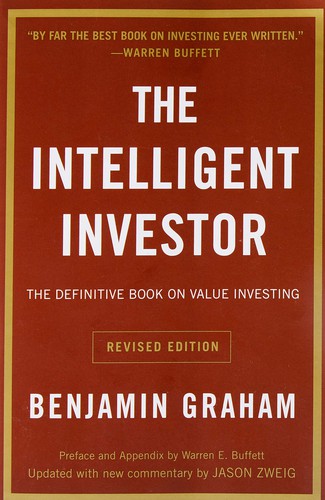
Book 1 of 3 · 1949
by Benjamin Graham
This is the book by Buffett's teacher that lays out the margin of safety and the value investing ideas the documentary animates.
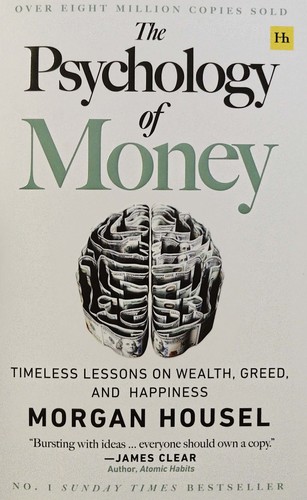
Book 2 of 3 · 2020
by Morgan Housel
Housel explains why temperament, patience and compounding matter more than intelligence, which is the core of Buffett's story.
Book 3 of 3 · 1996
by Thomas J. Stanley and William D. Danko
It shows that many wealthy people live as modestly as Buffett does, and why frugal habits build wealth.
Store links may earn a commission.
11 cards
Question 1 of 5
According to Graham's ideas in the documentary, what is a stock?
A 10-episode ESPN and Netflix docuseries on Michael Jordan and the Chicago Bulls, built around never-aired footage of their final title season. For anyone interested in drive, leadership and team dynamics.
Matt D'Avella's documentary follows Joshua Fields Millburn and Ryan Nicodemus, known as The Minimalists, and others who chose to own less in order to live more deliberately. For anyone who feels buried by stuff, debt or busyness.
Charles Ferguson's Oscar-winning documentary explains the 2008 financial crisis and argues that bankers, regulators and economists caused it and escaped blame. For anyone who wants to understand the crash.

Documentary · 2010
Directed by Heidi Ewing, Alex Gibney, Seth Gordon, Rachel Grady, Eugene Jarecki and Morgan Spurlock
Six documentary makers adapt Levitt and Dubner's bestseller into segments on baby names, cheating in sumo, crime and abortion, and paying students for grades. For anyone who wants the book's ideas on screen.
New books, occasionally