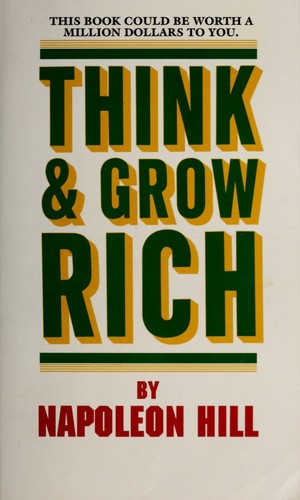
Napoleon Hill's 1937 formula for wealth: a burning desire, a definite plan, faith, persistence and a mastermind group. For readers who want to know what the oldest success book actually says.
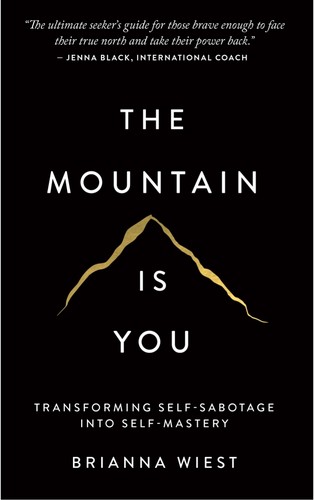
2020 · 248 pages · Summary updated 24 October 2026
Brianna Wiest on why people sabotage their own goals and how to turn that pattern into self-mastery. For anyone who keeps getting in their own way.
Self-sabotage is not a character flaw. Wiest argues it is a coping strategy: the behavior that blocks your goal is meeting a need you have not named, usually safety or familiarity. The mountain is the obstacle in your life, and it is made of your own habits, fears and unprocessed feelings. The way past it is through it. Wiest lists the common forms of self-sabotage (resistance, perfectionism, upper limits, uprooting, attachment to what you do not want), then shows how to read triggers as signals, build emotional intelligence, release the past and act from a clear picture of your future self. Your new life will cost you your old one.
Wiest argues that there is no such thing as self-sabotage in the usual sense. When you want a goal but act against it, two needs are in conflict. One wants the goal. The other wants safety, familiarity or approval, and believes the goal threatens it. The second need usually wins, because it works below awareness and once protected you. Someone who procrastinates on a promotion may be protecting themselves from the judgment that comes with visibility. Willpower fails until you name the need the behavior is serving.
The problem that keeps returning in your life is not outside you. It is built from your coping strategies, your fears and your unprocessed feelings. Wiest's image is a mountain: you cannot go around it, and the climb changes you. She argues that the moment many people call rock bottom is the point where the old strategy stops working. That moment is the start of the climb, not a failure. The person who reaches the top is not the person who began.
Wiest lists the common patterns. Resistance avoids the work that matters most. Hitting your upper limit creates a crisis when life gets better than you are used to. Uprooting restarts everything whenever life settles. Perfectionism sets a standard that lets you never finish. Downplaying shrinks wins so no one expects more. Justifying builds reasons why change is impossible. Disorganization keeps you too busy to face yourself. Each pattern does a job, and seeing which one you use is the first step.
A reaction larger than its cause is a signal. Wiest argues that the event touched an old wound, and the feeling belongs to the past. Her method is to pause and ask what the moment reminds you of, what you feared would happen and which need felt threatened. She separates the feeling, which is real and needs to be felt, from the story attached to it, which needs to be checked. Treating triggers as information turns them from attacks into guides.
Emotional intelligence, for Wiest, is the ability to feel something without acting on it or being ruled by it. A feeling reports how you are interpreting a situation, not what is true. Fear does not prove danger. A feeling allowed to move through the body lasts minutes. A feeling resisted can last years, because the resistance holds it in place. She also notes that trying to argue yourself out of a feeling fails, since the feeling and the argument come from different systems.
Feelings that were never processed do not disappear. Wiest calls them the emotional backlog: grief, fear and anger from times when you lacked the safety or skills to feel them. They surface later as anxiety, numbness, irritability or physical tension, and they show up as triggers. Her advice is to make deliberate time for the postponed feelings, through journaling, therapy or a trusted person, instead of treating each trigger as a fresh problem. Physical care is part of this work.
Each person carries a core belief formed early, such as "I am not enough" or "people leave." Wiest calls it a psychic thesis, and she argues that most choices work to prove it true. A person who believes they will be abandoned may pick partners who leave or push away partners who stay. Naming the thesis lets you notice when a decision serves the belief rather than serves you. Releasing the old self that formed around the thesis is gratitude for what it did, not rejection.
Wiest's main forward-looking tool is a detailed picture of who you want to be in a few years: how that person spends an ordinary day, what they no longer tolerate, how they handle stress. You then make small choices the future self would recognize. Change comes from repeated ordinary actions, not dramatic moves. She warns that a goal reached does not fix a life, because the feeling of lack follows you. The aim is to become someone who can hold a good life without pulling it apart.
“Your new life is going to cost you your old one.”
Brianna Wiest is an essayist and the author of 101 Essays That Will Change the Way You Think. The Mountain Is You was published by Thought Catalog Books in 2020 and spread largely through social media. Its subject is self-sabotage: the pattern of wanting something, then acting in ways that make it impossible.
The mountain is her central image. A mountain in your life is a problem that keeps appearing, a block that stands between you and the person you want to become. Wiest argues that the mountain is not outside you. It is built from your habits, your fears, your old coping strategies and the feelings you never processed. You cannot go around it. You have to climb it, and climbing it changes you. The mountain, in her words, is you.
She frames the book as a journey in stages: understand why you sabotage yourself, learn to read your triggers, build emotional skills, release the past, build a picture of the future, and move from sabotage to mastery. The chapters follow that order.
The second chapter makes the book's main claim. What looks like self-sabotage is an unmet need in disguise. When you want to change but keep failing to, two parts of you are in conflict. One part wants the goal. Another part wants something it believes the goal threatens: safety, familiarity, approval, rest, control. The second part usually wins, because it works below conscious awareness and because it is defending something that once protected you.
Wiest gives a long list of the forms this takes, and this list is the most practical part of the book.
Wiest's point is that none of these are random. Each one does a job. Until you know what job the behavior does, you will keep doing it, no matter how much willpower you apply.
She adds a note on timing. Change rarely comes from insight alone. It often comes from rock bottom, the moment when the cost of staying the same finally exceeds the cost of change. She argues that this moment is not a failure. It is the point where the old strategy stops working, and it is the start of the climb.
A trigger is a strong reaction that seems larger than the event that caused it. A comment from a colleague, a delayed reply from a partner, a small criticism. Wiest argues that the reaction points at something unresolved. The event touched an old wound, and the feeling that followed belongs to the past, not the present.
Her method is to treat triggers as information. When you feel a reaction out of proportion, stop and ask what it reminds you of, what you were afraid would happen, and what need was threatened. She distinguishes between the feeling (real and worth attention) and the story you attach to it (often inaccurate). The feeling needs to be felt. The story needs to be checked.
This chapter also covers what Wiest calls the emotional backlog: feelings from the past that were never processed because at the time you did not have the safety or the skills to feel them. These feelings do not disappear. They wait, and they surface as anxiety, irritability, numbness or physical tension. Triggers are the backlog showing itself. She advises making time to feel what was postponed, with a journal, a therapist or a trusted person, rather than treating each trigger as a new problem to solve.
Wiest defines emotional intelligence as the ability to feel something without immediately acting on it or being ruled by it. The chapter is a set of principles.
Feelings are not facts. A feeling tells you how you are interpreting a situation, not what is true about it. Fear does not mean danger is real. Shame does not mean you did something wrong.
Feelings pass when you let them. A feeling that is allowed to move through the body lasts minutes. A feeling that is resisted can last years. The resistance is what keeps it in place.
The body keeps the score. Wiest describes how unprocessed stress shows up as tension, exhaustion and illness, and argues that physical care (sleep, movement, breathing) is part of emotional work, not separate from it.
Needs come before goals. Most self-sabotage comes from a need that the goal ignores. She suggests asking what you need to feel safe enough to change, and meeting that need first, rather than pushing through it.
She also addresses logical versus emotional thinking. Many people try to argue themselves out of a feeling. Wiest argues this does not work, because the feeling comes from a different system than the argument. The way through is to acknowledge the feeling, name the need, and then decide with the logical mind what to do.
The mountain is built from history. Wiest's fifth chapter is about letting that history go, and she is specific that this does not mean pretending it did not happen. It means ending the habit of living from it.
She writes about the old self: the version of you that formed around earlier conditions and still runs your defaults. Many people feel disloyal when they outgrow that self, as if growth is a betrayal of who they were or of the people who knew them then. Wiest argues that the old self did its job. It got you here. Releasing it is gratitude, not rejection.
She covers forgiveness as a practice that frees the person who forgives, not a verdict on the person who caused harm. She covers grief for lives you did not live and choices you did not make. And she covers the fear of being seen as someone new by people who are attached to the old version of you. Her advice is to accept that some relationships will not survive your growth, and to let that be the price.
This chapter also introduces the idea of a psychic thesis: a core belief about yourself and the world that you formed early, such as "I am not enough" or "people leave." Everything you do tends to prove that thesis true. Wiest argues that naming the thesis is the first step to replacing it, because you can then notice when a choice is serving the belief rather than serving you.
With the past acknowledged, Wiest turns to direction. Her main tool is the future self: a detailed picture of who you want to be in a few years, including how that person spends an ordinary day, what they no longer tolerate, how they handle stress, and what they have stopped doing. She suggests writing to that person, imagining their advice, and making small daily choices that the future self would recognize.
She stresses that change happens in small, repeated actions, not in dramatic moves. The future self is built by what you do on a normal Tuesday. Motivation is unreliable, so the work is to make the desired behavior the easy default, through routine and environment.
She also warns against treating the goal as the point. A goal reached does not fix a life, because the feeling of lack that drove the sabotage follows you. The point is to become someone who can hold a good life without pulling it apart. This is where she returns to the upper limit: as things improve, notice the urge to create a crisis, and treat it as a signal that you are growing past your old ceiling.
The final chapter describes what the other side of the mountain looks like. Self-mastery, for Wiest, is not control over every feeling. It is the ability to feel, to choose, and to keep your commitments to yourself even when the old patterns pull.
She describes the process as a cycle rather than a finish line. You will meet new mountains. Each one reveals a part of you that has not yet grown. The skill is to recognize the pattern faster each time: notice the trigger, name the need, feel the feeling, check the story, and act as the future self would.
The book ends with a passage that has circulated widely: your new life is going to cost you your old one. It will cost comfort, certain relationships, a familiar sense of who you are. Wiest argues that this price is the whole point. The person who reaches the top of the mountain is not the person who started climbing.
The book is short on evidence. Wiest cites few studies and names few sources, and some of the psychology (the body remembering stress, the upper limit, emotional backlog) is presented as settled when it is contested or borrowed from other popular authors. Critics also find the book repetitive and aphoristic, with many short declarative lines that read like social media posts, and note that it offers more framing than method. Readers who have done therapy may find little new.
Read it if you keep repeating a pattern you can see but cannot stop, and you want a plain language for why. It works best as a first book on self-sabotage, read slowly with a notebook. Skip it if you want research-backed techniques or a step-by-step program.
12 cards
Question 1 of 5
According to Wiest, what is self-sabotage really?
Napoleon Hill's 1937 formula for wealth: a burning desire, a definite plan, faith, persistence and a mastermind group. For readers who want to know what the oldest success book actually says.
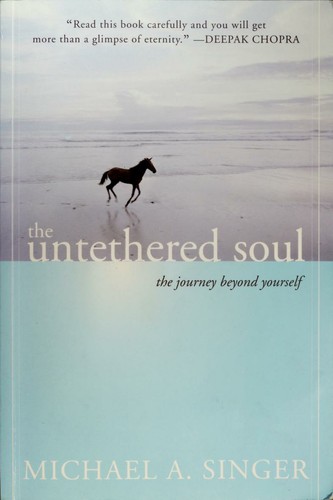
Michael A. Singer's guide to stepping back from the voice in your head, keeping your heart open and letting go of the fears that run your life. For readers drawn to meditation and nondual spirituality.
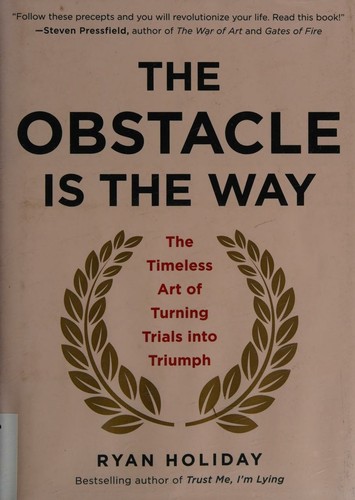
Ryan Holiday turns a line from Marcus Aurelius into a three-part method for handling setbacks: perception, action and will. For anyone stuck behind a problem who wants a Stoic way through it.
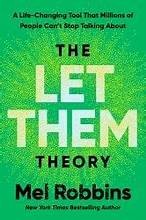
Mel Robbins's two-word tool for the stress of other people: let them do what they do, then let me decide what I do. For readers who spend energy on opinions, choices and moods they cannot control.
New books, occasionally