
Unlimited Memory by Kevin Horsley teaches the techniques memory champions use, from the SEE principle to the memory palace, in a short practical guide. For students and professionals who want to learn faster and remember more.
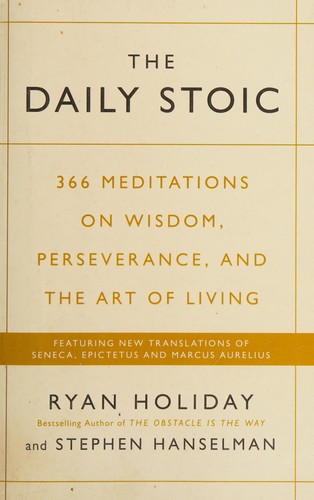
by Ryan Holiday and Stephen Hanselman
2016 · 416 pages · Summary updated 24 October 2026
The Daily Stoic by Ryan Holiday and Stephen Hanselman offers 366 daily meditations from Marcus Aurelius, Seneca and Epictetus, organized by monthly themes. For anyone who wants a daily habit of Stoic reflection.
The Daily Stoic gives one page for each day of the year: a short passage from a Stoic, mostly Marcus Aurelius, Seneca and Epictetus, with a modern commentary. The year follows three disciplines. Perception (January to April) covers clarity, emotions, awareness and unbiased thought. Action (May to August) covers right action, problem solving, duty and pragmatism. Will (September to December) covers resilience, virtue and kindness, acceptance and meditation on mortality. Running through all of it is the dichotomy of control: focus only on your own judgments and choices. The aim is a daily habit that turns ancient ideas into practice.
The book opens with Epictetus's core teaching, the dichotomy of control. Your opinions, choices and desires are up to you. Your body, reputation, property and other people's actions are not. Most suffering comes from confusing the two, from worrying about outcomes you cannot control and neglecting the judgments you can. The January entries ask the reader to sort each concern into one column or the other. The authors return to this idea throughout the year, because every other Stoic practice depends on it.
The Stoics did not reject feeling. They separated natural first reactions, which no one can avoid, from the passions, such as anger and fear, that grow when we accept a false judgment. If someone insults you, the sting is natural, but the rage depends on your belief that you have been harmed. February draws heavily on Seneca's essay on anger. The practice is to pause, question the judgment behind the emotion and choose a response. Gentleness, the authors argue, takes more strength than rage.
Marcus Aurelius described a fancy meal as a dead animal and fine wine as fermented grapes. This was not cynicism. It was training to see events plainly, without the glamour or the dread we add. April applies the method to insults, worries and first impressions. Describe what happened in neutral words, and much of its power to upset you fades. The entries add a habit of charity: when someone behaves badly, remember the times you were ignorant or selfish yourself.
The Stoics added a silent condition to every plan: I will do this, if nothing prevents me. The book calls it the reverse clause. It does not lower ambition. It prepares you for interruption. When something blocks the plan, you have already accepted that it might, so you can turn your effort to the next best action without frustration. June, the month on problem solving, uses it to show how obstacles become material for action. The idea links directly to Holiday's The Obstacle Is the Way.
Seneca advised setting aside a few days to live on plain food and rough clothing, then asking whether this is what you feared. September builds on this practice of voluntary discomfort along with premeditatio malorum, the rehearsal of what might go wrong. Both reduce the fear of loss by making it familiar. A setback you have imagined in advance cannot shock you. Epictetus, who lived as a slave, adds the deeper point: no circumstance can take away your freedom to choose your response.
The Stoics saw humans as social beings with duties to the whole. Marcus wrote that what is not good for the hive is not good for the bee. October turns from inner discipline to conduct: virtue is not private self-improvement but shows in how you act toward family, colleagues and strangers. July makes a related point about duty. Marcus never wanted to be emperor but did the job anyway. The entries ask readers to treat tasks as things they get to do and to answer others' faults with patience.
The Stoics used the image of a dog tied to a moving cart: it can trot along or be dragged, but it goes either way. November urges acceptance, even love, of what happens, the attitude Nietzsche later called amor fati. December closes the year with memento mori, remembering that you will die. Seneca advised balancing life's books each day so nothing is left undone. The point is not gloom. Mortality brings urgency and gratitude to the present and shrinks small worries to their real size.
“That which isn't good for the hive, isn't good for the bee.”
The Daily Stoic by Ryan Holiday and Stephen Hanselman came out in 2016. Its subtitle is 366 Meditations on Wisdom, Perseverance, and the Art of Living. It is not a book to read in one sitting. It has one page for each day of the year, including February 29. Each page opens with a short passage from a Stoic philosopher, translated by the authors, followed by a commentary of a few paragraphs that explains the idea and applies it to modern life.
Most passages come from the three great Roman Stoics. Marcus Aurelius was the emperor who wrote the Meditations as private notes to himself. Seneca was a statesman, playwright and adviser to Nero who wrote letters and essays on how to live. Epictetus was born a slave and became a teacher, and his lessons survive in the Discourses and the Enchiridion, collected by his student Arrian. The book also draws on earlier and lesser-known Stoics, such as Zeno, the founder of the school; Cleanthes and Chrysippus, who led it after him; Musonius Rufus, Epictetus's teacher; and Cato the Younger, whom the Romans saw as a model of Stoic virtue.
The introduction gives a short history. Stoicism began in Athens around 300 BC, when Zeno taught in the Stoa Poikile, the painted porch, which gave the school its name. It was not an abstract philosophy. It was a practical training for living well. The Stoics believed that the goal of life is virtue, and that the four core virtues are wisdom, courage, justice and moderation. Everything outside our own judgments and choices is beyond our control, and so it is neither good nor bad in itself.
The book is organized around three disciplines drawn from Epictetus, the same frame Holiday used in The Obstacle Is the Way:
Each discipline has four months, and each month has a theme. The daily entries within a month return again and again to that theme from different angles. The sections below follow the year.
January: Clarity. The year opens with the most basic Stoic idea, the dichotomy of control. Epictetus taught that some things are up to us, such as our opinions, choices and desires, and some things are not, such as our body, reputation, property and other people's actions. Freedom begins with knowing the difference. The month asks the reader to get clear about what they want, what they value and what is in their power. It recommends a morning reflection to set intentions and an evening review, a habit Seneca described, to look back on the day honestly.
February: Passions and Emotions. The Stoics are often misread as cold. In fact, they distinguished between natural first reactions, which no one can avoid, and the passions, the disturbing emotions such as anger, fear and envy that follow when we give our assent to a false judgment. The month treats anger at length, drawing on Seneca's essay on the subject. The lesson is that an emotion grows from a judgment, so you can examine the judgment before it takes over. Gentleness and patience, the authors argue, take more strength than rage.
March: Awareness. This month is about self-knowledge. You cannot improve what you do not see. The entries ask the reader to notice their habits, their triggers and the obligations they have taken on without thinking. A recurring point is humility: you cannot learn what you think you already know, an idea from Epictetus.
April: Unbiased Thought. The Stoics practiced a kind of objectivity. They tried to see events as they are, without adding stories. Marcus Aurelius described a fine meal as a dead animal and expensive wine as fermented grapes, to strip away the glamour. The month applies this to insults, worries and first impressions. If you remove the judgment that you have been harmed, Marcus wrote, the harm goes with it. The entries also urge charity toward difficult people: remember that you too have been selfish or wrong.
May: Right Action. Perception has to lead to action. The Stoics judged a person by what they did, not by what they knew. The month stresses doing the right thing in small, daily steps rather than waiting for a grand moment. Well-being, Zeno is reported to have said, is realized by small steps. The entries also cover building good habits and breaking bad ones through repetition.
June: Problem Solving. This month treats obstacles as material for action, the idea at the heart of The Obstacle Is the Way. It introduces the reverse clause, a Stoic habit of adding a silent condition to every plan: I will do this, if nothing prevents me. When something does prevent you, the reverse clause lets you redirect your effort without frustration, toward the next best action. Problems are not interruptions to the work. They are the work.
July: Duty. The Stoics believed that each person has a role and obligations to others. Marcus Aurelius, who never wanted to be emperor, did the job anyway, and his notes are full of reminders to rise from bed and do the work of a human being. The month asks the reader to reframe tasks from have to into get to, and to remember that failing to act can itself be an injustice.
August: Pragmatism. Stoicism is not about perfect ideals. It is about doing what works with what you have. The entries urge the reader to stick to the facts of a situation, avoid getting stuck on how things should be and make progress with imperfect tools. Marcus reminded himself not to wait for Plato's ideal republic but to be satisfied with even the smallest step forward.
September: Fortitude and Resilience. The third discipline prepares the reader for hardship. Seneca recommended setting aside a few days to live on the plainest food and in rough clothes, then asking whether this is the condition you feared. This practicing poverty removes the fear of loss. The month also covers premeditatio malorum, the rehearsal of what might go wrong, so that setbacks lose their power to shock. Epictetus, who lived as a slave, taught that no one can take away your freedom to choose your response.
October: Virtue and Kindness. The Stoics held that humans are social beings, part of a whole, with duties to each other. Marcus wrote that what is not good for the hive is not good for the bee. The month turns from inner strength to how we treat others. Virtue is not a private achievement. It shows in how we act toward family, colleagues, strangers and even enemies. The entries ask the reader to set standards for small choices and to treat other people's mistakes with patience.
November: Acceptance and amor fati. The Stoics taught that we should accept what happens, and even welcome it. Nietzsche later gave this attitude a name, amor fati, love of fate. The Stoics used the image of a dog tied to a moving cart: it can trot along willingly or be dragged, but it will go either way. The month also advises holding what you love lightly, knowing it can be lost, the way Epictetus told students to remember that a cup or a loved one is mortal.
December: Meditation on Mortality. The year ends with memento mori, the practice of remembering that you will die. The Stoics did not see this as morbid. It is a way to bring urgency and gratitude to the present. Seneca wrote that we should balance life's books each day, so that if we died tonight nothing would be left undone. Marcus reminded himself that even Alexander the Great and his mule driver ended up in the same place. The final entries urge the reader to live each day fully, without frenzy and without laziness.
The authors intend the book to be read one page a day, every year. Each entry takes a few minutes. They argue that Stoicism is a practice, not a set of beliefs, and that daily repetition is what turns the ideas into habits. Many readers pair the book with a journal, and the authors later published The Daily Stoic Journal for that purpose. The project also grew into a daily email newsletter and a podcast.
Reviewers note that the format has limits. The commentaries are short and sometimes generic, and a single passage pulled from a long letter or discourse can lose its context. The translations are the authors' own and often freer than scholarly versions. Some classicists argue that the book, like Holiday's other work, frames Stoicism as a self-help and productivity tool and plays down its ethics of virtue, its theology and its physics.
Read it if you want to build a daily habit of reflection and learn the core Stoic ideas a few minutes at a time. It works best read slowly over a year, alongside the full Meditations, Seneca's letters or the Enchiridion.
12 cards
Question 1 of 5
How many entries does The Daily Stoic contain?
Unlimited Memory by Kevin Horsley teaches the techniques memory champions use, from the SEE principle to the memory palace, in a short practical guide. For students and professionals who want to learn faster and remember more.

The Stranger is Albert Camus's short novel about Meursault, a clerk in French Algiers who does not cry at his mother's funeral, kills a man on a beach and is tried as much for his coldness as for the crime. For readers who want the plot and the idea of the absurd.
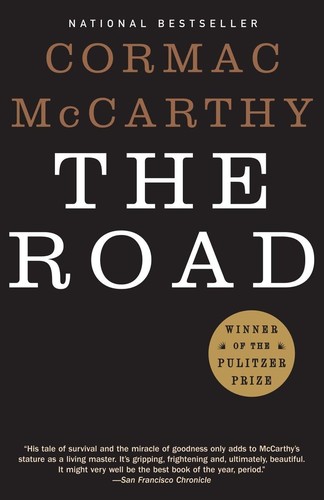
Cormac McCarthy's Pulitzer Prize novel about a father and his young son walking south through a burned, ash-covered America after an unnamed catastrophe. For readers who want the plot, the symbols and the meaning of "carrying the fire."

Oscar Wilde's only novel, about a beautiful young man whose portrait ages and records his sins while he stays young. For readers who want the plot chapter by chapter and the ideas about beauty, influence and conscience behind it.
New books, occasionally