
Napoleon Hill's 1937 formula for wealth: a burning desire, a definite plan, faith, persistence and a mastermind group. For readers who want to know what the oldest success book actually says.
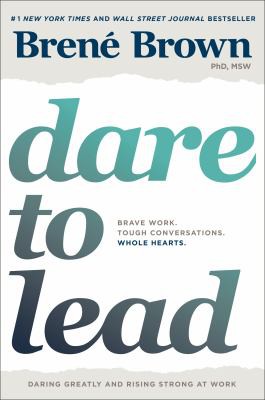
by Brené Brown
2018 · 320 pages · Summary updated 24 October 2026
Brené Brown's research on courage at work: four teachable skill sets for leaders who want honest conversations, clear values and trust. For managers and anyone who leads a team.
Brown argues that courage is not a trait. It is four skill sets that can be taught and measured: rumbling with vulnerability, living into your values, braving trust and learning to rise. Vulnerability means showing up for uncertain, risky conversations without armor. Leaders avoid them, so problems fester and teams lose trust. Her tools are concrete: name the two values you will not trade, use the BRAVING inventory to diagnose trust, run rumbles with curiosity instead of certainty, and when you fall, write the story you are telling yourself before you act on it. Her shortest rule is clear is kind, unclear is unkind. A leader is anyone who takes responsibility for finding the potential in people and processes.
Brown interviewed about 150 senior leaders and found that the barriers to brave leadership (avoiding hard conversations, ignoring fear, weak values, rushing to fix problems) all trace back to avoiding vulnerability. Her claim is that courage is not a trait. It is four skill sets that can be taught, observed and measured: rumbling with vulnerability, living into your values, braving trust and learning to rise. The first is the foundation. Her definition of a leader is anyone who takes responsibility for finding and developing potential in people and processes.
Brown defines vulnerability as the emotion felt in uncertain, risky and exposed moments. She names six myths leaders use to avoid it: that it is weakness, that "I don't do vulnerability," that you can go it alone, that you can engineer the uncertainty out, that trust must come first, and that vulnerability means disclosure. A rumble is her term for a conversation where people stay curious and generous through the messy middle instead of leaving, fighting or faking agreement.
Armor is what people wear to avoid vulnerability. Brown lists sixteen pairs. Perfectionism versus healthy striving. Scarcity and fear versus gratitude. Numbing versus boundaries. Being a knower who is always right versus being a learner who gets it right. Rewarding exhaustion versus modeling rest. Leading from hurt versus leading from heart. Each pair describes a behavior from her interviews and its brave alternative. The goal is to notice your own armor in the moment and choose the other column.
Brown asks readers to choose exactly two core values from a long list. Ten values are things you feel good about. Two are things you can hold yourself to under pressure, and two force you to decide which wins in a conflict. Each value is then operationalized: three behaviors that support it, three that undermine it, a moment you lived it and one you did not. Teams do the same so colleagues can hold each other to actions rather than slogans. Leaders who live into their values are never silent about hard things.
Boundaries, Reliability, Accountability, Vault, Integrity, Nonjudgment and Generosity. Each is a specific behavior: keeping confidences, doing what you say, owning mistakes, choosing courage over comfort, assuming the best about others' intentions. Used as an inventory, two people rate a relationship on each element and compare. Brown argues that "I don't trust you" starts a fight, while "I don't think you keep confidences" starts a conversation. The same inventory applies to self-trust.
Learning to rise follows three steps: the reckoning (noticing you are hooked by an emotion), the rumble and the revolution. The rumble starts with a private first draft of the story you are telling yourself about what happened, including your guesses about others' motives. You then check it against facts. The phrase "the story I'm telling myself is..." lets you raise a fear without accusing anyone and invites correction. Teams that make this a habit have fewer grudges and silent resignations.
Leaders avoid direct feedback because it feels unkind. Brown argues the opposite. Vague expectations leave people guessing and set them up to fail, then get them blamed for it. The kind act is the clear one. Her delegation tool, paint done, asks the leader to describe in detail what finished looks like. TASC checks who owns the task, whether they have the authority, what success looks like and whether there is a checklist. Most failures she studied came from unclear expectations, not from lack of effort.
Brown separates shame (I am bad) from guilt (I did something bad). Leaders who use public blame, favoritism or humiliation get short-term compliance and long-term fear. Empathy is the antidote. She lists skills such as taking another's perspective and staying out of judgment, and common misses such as responding with sympathy, gasping in horror or rushing to make the person feel better. The square squad, a one-inch list of people whose opinion matters, helps leaders ignore criticism from the cheap seats.
“Clear is kind. Unclear is unkind.”
“Vulnerability is not winning or losing; it's having the courage to show up and be seen when we have no control over the outcome.”
Brené Brown is a research professor at the University of Houston who has spent two decades studying shame, vulnerability and courage through qualitative interviews. Her earlier books, Daring Greatly and Rising Strong, were about personal life. Dare to Lead applies the same research to organizations. For this book she and her team interviewed about 150 senior leaders and ran the resulting skills in companies, hospitals, schools and the military.
Her definition of a leader is wide: anyone who takes responsibility for finding the potential in people and processes, and who has the courage to develop that potential. Titles are not required.
The book's starting question was simple. She asked leaders what stood in the way of brave leadership. The answers clustered into ten barriers, including avoiding tough conversations, failing to address fear and uncertainty, a lack of connection and empathy, too little clarity on values, and rushing to solve problems without first defining them. Almost all of them, she argues, come down to one thing: people in organizations avoid vulnerability. So her central claim is that courage is a collection of four skill sets that can be taught, observed and measured. The four are rumbling with vulnerability, living into our values, braving trust and learning to rise. The book takes them in that order, and the first takes up half the pages, because the other three depend on it.
Brown defines vulnerability as the emotion we feel in times of uncertainty, risk and emotional exposure. She is careful about what it is not. It is not weakness. It is not oversharing. It is not something you can engineer away with process. Her phrase for the choice to stay in a hard conversation instead of leaving or fighting is a rumble: a discussion, meeting or decision marked by a commitment to lean into vulnerability, stay curious and be generous, and to stick with the messy middle of problem solving.
She names six myths of vulnerability that leaders use to avoid it: that vulnerability is weakness, that "I don't do vulnerability," that you can go it alone, that you can engineer the uncertainty out of a situation, that trust must come before vulnerability, and that vulnerability is disclosure. She rejects each with examples from her interviews. Trust and vulnerability, for instance, grow together in small steps, neither comes first.
She borrows Theodore Roosevelt's arena image. Daring leadership means being in the arena, where you will fall. It does not mean taking feedback from everyone in the cheap seats. Her tool for this is the square squad: on a one-inch square of paper, write the names of the few people whose opinions of you truly matter. When criticism comes, check whether it is from the square.
The chapter on armor is the most practical. Armored leadership is what people do to protect themselves from vulnerability. Brown lists sixteen pairs of armored versus daring behaviors. Driving perfectionism versus modeling and encouraging healthy striving. Working from scarcity and fear versus practicing gratitude and celebrating milestones. Numbing versus setting boundaries. Being a knower and being right versus being a learner and getting it right. Using criticism as self-protection versus making contributions and taking risks. Rewarding exhaustion as a status symbol versus modeling rest. Leading from hurt versus leading from heart. Each pair describes a behavior she saw in the interviews and its brave alternative.
The section also covers shame at work. Brown distinguishes shame (I am bad) from guilt (I did something bad), and argues that leaders who use shame, through public blame, favoritism or humiliation, get compliance but not courage. Empathy is the antidote. She lists five empathy skills and six common empathy misses, such as sympathy instead of empathy, the gasp and awe response, or the need to make the person feel better fast.
Two more tools close the section. Grounded confidence is her term for the result of rumble skills plus curiosity plus practice: the ability to stay in a hard conversation without armor. Curiosity, she argues, is a skill, not a mood, and leaders should practice saying "I'm curious about that" and "tell me more" before offering a view.
The second skill set is about knowing what you stand for and acting on it under pressure. Brown asks readers to pick exactly two core values from a long list. Not ten. Two. Her argument is that a list of ten values is a list of things you feel good about, while two values are things you can hold yourself to when the choice is hard. Having two also forces the question of which value wins when they conflict.
Values then have to be operationalized into behaviors. For each value, write three behaviors that support it and three that undermine it, and name a moment when you lived it and one when you did not. The team does the same, so colleagues can hold each other to specific actions rather than to slogans.
This section includes her rule on feedback. She lists the conditions under which she is ready to give feedback: when she is ready to sit next to the person rather than across from them, when she can model the vulnerability she is asking for, when she can hold the person accountable without shaming, and when she is willing to own her part. Daring leaders who live into their values, she argues, are never silent about hard things.
The third skill set uses an acronym from her earlier work. BRAVING breaks trust into seven behaviors so that a conversation about trust can be specific instead of accusing.
The tool is used as an inventory. Each person rates the relationship on each element, then the two compare. Brown argues that "I don't trust you" starts a fight, while "I don't think you keep confidences" starts a conversation. She also applies BRAVING to self-trust, since people who do not trust themselves struggle to trust others.
The fourth skill set is about recovering from failure, which she argues must be taught before the fall, not after. The process has three steps from Rising Strong: the reckoning, the rumble and the revolution.
The reckoning is noticing that you have been hooked by an emotion. The rumble is the central tool of the book. When something goes wrong, you write a shitty first draft (SFD) of the story you are telling yourself about it, including your assumptions about other people's motives. The draft is for you alone. Then you check it against the facts. Brown's conversation starter for this is "the story I'm telling myself is..." It lets a person say "the story I'm telling myself is that you left me off the email because you don't value my work" without accusing anyone, and it invites the other person to correct the story.
The revolution is what happens when teams make this a habit. The number of conspiracies, grudges and silent resignations drops because the stories get checked early.
Throughout the book Brown shares practices her team uses. Permission slips: at the start of a hard meeting, each person writes what they give themselves permission to do (to be wrong, to stay quiet, to ask basic questions). Turn and learn: before anyone speaks on an estimate, everyone writes their number down and reveals it at once, to stop the loudest voice from anchoring the room. Paint done: when assigning work, describe in detail what finished looks like, because most failures come from unclear expectations. Her acronym for this is TASC: who owns the task, do they have the authority, what does success look like, and is there a checklist. Container building: at the start of a rumble, agree on the behaviors that will make it safe to be honest. And circle back: when a meeting ends badly, return within a day to repair it.
Her most quoted rule, clear is kind, unclear is unkind, comes from these practices. Leaders avoid direct feedback because it feels unkind, but vague feedback leaves people guessing and sets them up to fail. The kind act is the clear one.
Reviewers who know Brown's earlier books find much of Dare to Lead repeated from Daring Greatly and Rising Strong, with new workplace framing. Her research is qualitative and based on interviews coded by her own team, so it is hard for outsiders to test, and some critics find the leap from personal stories to organizational outcomes thin. Others note that the tools work best in cultures that already allow candor and that the book says little about how a mid-level leader applies them under a leader who does not.
Read it if you manage people and avoid hard conversations, or if your team mistakes silence for agreement. It is most useful read with a team, with the values and BRAVING exercises done together. Skip it if you have read Daring Greatly closely and want new research.
12 cards
Question 1 of 5
According to Brown, what is courage?
Napoleon Hill's 1937 formula for wealth: a burning desire, a definite plan, faith, persistence and a mastermind group. For readers who want to know what the oldest success book actually says.

Michael A. Singer's guide to stepping back from the voice in your head, keeping your heart open and letting go of the fears that run your life. For readers drawn to meditation and nondual spirituality.

Gary Keller and Jay Papasan argue that extraordinary results come from narrowing your focus to one thing at a time. For anyone whose to-do list keeps growing while the important work stalls.
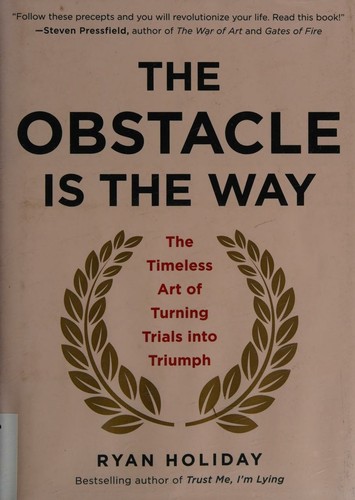
Ryan Holiday turns a line from Marcus Aurelius into a three-part method for handling setbacks: perception, action and will. For anyone stuck behind a problem who wants a Stoic way through it.
New books, occasionally