
Emily Brontë's 1847 novel about Heathcliff, Catherine Earnshaw and two families on the Yorkshire moors, told across two generations. For readers who want the plot, the characters and the ideas behind a famous story of love and revenge.
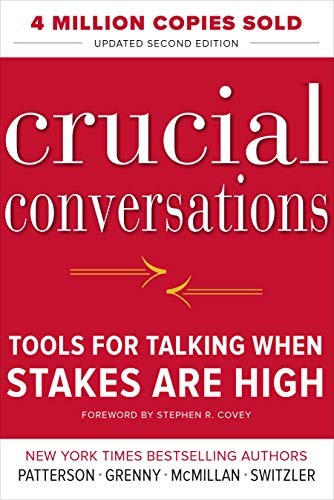
by Kerry Patterson, Joseph Grenny, Ron McMillan and Al Switzler
2002 · 272 pages · Summary updated 24 October 2026
A step-by-step method for high-stakes talks where opinions differ and emotions run hot, from the VitalSmarts team. For anyone who freezes, dodges or blows up when a hard conversation starts.
A crucial conversation is one where stakes are high, opinions differ and emotions are strong. Most people handle these badly: they go to silence (masking, avoiding, withdrawing) or violence (controlling, labeling, attacking). The authors' method keeps dialogue open so both sides add to the pool of shared meaning. Start with heart: ask what you really want for yourself, the other person and the relationship. Learn to look for signs that safety is at risk. Make it safe with mutual purpose and mutual respect. Master your stories, because the story you tell about the facts drives your emotions. Then STATE your path, explore theirs with AMPP, and move to action by deciding how to decide.
A conversation is crucial when opinions differ, stakes are high and emotions are strong. Under stress, adrenaline sends blood to the muscles and away from the brain, so people become blunt and foolish exactly when it matters. The authors' research found that the ability to handle these talks predicted success in companies, marriages and health. Their Silence Fails study found that most failed projects were preceded by a problem everyone saw and nobody raised.
Dialogue is the free flow of meaning between people. Each person's facts, opinions and feelings go into a shared pool, and the group decides better when the pool is full. Silence and violence both drain it. The example is Kevin, a vice president who alone questions his CEO's plan to move headquarters, and does it with respect, so the room finally debates. The best communicators refuse the fool's choice between honesty and friendship and find a way to be both candid and respectful.
The only person you can control is yourself. Before and during a hard talk, ask what you really want for yourself, for the other person and for the relationship, and how you would behave if you wanted those results. Under stress people swap these goals for winning, punishing or keeping the peace. Greta and her husband start arguing about his work hours and within a minute are fighting over who is more selfish. The four questions pull the conversation back to its purpose.
When people feel unsafe they stop adding meaning. Silence shows as masking (sarcasm, sugarcoating), avoiding (changing the subject) and withdrawing. Violence shows as controlling (overstating, cutting off), labeling and attacking. The authors ask readers to learn their own style under stress, because noticing it is the signal to step out of the content and repair safety before continuing. Content can wait. Safety cannot.
Safety needs mutual purpose (they believe you care about their goals) and mutual respect (they believe you care about them). When intent is misread, use contrasting: a don't statement and a do statement, such as "I don't want you to think I question your skill. I do want to talk about deadlines." When purposes truly differ, use CRIB: commit to a mutual purpose, recognize the purpose behind the other's strategy, invent a shared purpose, brainstorm new strategies.
The path to action runs from what you see and hear, to the story you tell, to the emotion you feel, to what you do. Maria watches her colleague Louis take over their joint presentation and concludes he thinks she is incompetent. The anger comes from the story, not the facts. Three clever stories excuse us: victim, villain and helpless. The fix is to ask why a reasonable, rational, decent person would act this way, and what you are pretending not to notice about your own role.
To speak about something sensitive: share your facts, tell your story, ask for others' paths, talk tentatively and encourage testing. Facts first, because they are least arguable. When the other person goes silent or hostile, ask, mirror their body language, paraphrase what they said and prime by guessing at what they may be thinking. Then respond by agreeing where you agree, building on what they missed and comparing views where you differ, rather than calling them wrong.
Dialogue without decision leaves people feeling heard and nothing changed. The authors list four methods: command, consult, vote and consensus. Choose by asking who cares, who knows, who must agree and how many people should be involved. Every decision then needs who does what, by when, and how follow-up will happen. Record it, because a good conversation that ends in vague agreement produces the next crucial conversation about why nothing got done.
The authors, who founded the training company VitalSmarts (now Crucial Learning), define a crucial conversation by three features: opinions vary, stakes are high and emotions run strong. Ending a relationship, confronting a coworker who breaks promises, giving a boss critical feedback, asking a friend to repay a loan and talking to a teenager about drugs all qualify. The irony, they argue, is that when it matters most, people do their worst. Adrenaline diverts blood from the brain to the muscles, and a person who is sharp in calm moments becomes blunt and stupid under stress.
They claim that people handle crucial conversations in one of three ways: they avoid them, they face them and handle them poorly, or they face them and handle them well. The book's 20 years of research, they say, found that the strongest predictor of success in companies, marriages and health was the ability to hold the hard talks. One study they cite followed couples and found that the way partners argued predicted divorce years later. Another, their own Silence Fails research, found that most project failures were preceded by a problem everyone saw and nobody raised.
The goal of every crucial conversation is dialogue: the free flow of meaning between two or more people. The authors picture a pool of shared meaning. Each person brings opinions, feelings and theories. When all of them go into the pool, the group makes better decisions and commits to them, because everyone understands why the decision was made. When people hold back out of fear, or force their views through anger, the pool stays shallow and decisions get worse.
The central example is Kevin, a vice president in a company where the CEO, Chris, pushes a plan to move headquarters. Everyone in the room thinks the plan is bad and no one says so. Kevin does. He asks questions, offers his view and shows respect for the CEO, and the group finally has a real debate. The authors say that the people who are best at crucial conversations are not the loudest or the most careful. They are the ones who find a way to be both candid and respectful at once, and they refuse what the book calls the fool's choice: the false belief that you must pick between telling the truth and keeping a friend.
The first skill is to work on yourself before the conversation, because the only person you can control is you. The authors tell readers to ask four questions:
Under stress, people swap these long-term goals for short-term ones: winning, punishing or keeping the peace. The authors call this losing sight of what you really want. Their example is a couple, Greta and her husband, arguing over whether he spends too much time at work. Within a minute the argument turns into who is more selfish. The questions are a way to notice the switch and get back to the original goal. The chapter also tells readers to refuse the fool's choice by asking an and question: how can I tell my boss my real concerns and keep his trust?
The second skill is noticing when a conversation turns crucial and when safety is at risk. People often miss the moment because they are focused on content. The authors tell readers to watch for three things: the moment a conversation becomes crucial, signs that the other person feels unsafe, and their own style under stress.
When people feel unsafe, they move to silence or violence. Silence takes three forms: masking (sarcasm, understatement, sugarcoating), avoiding (changing the subject) and withdrawing (leaving the room or the topic). Violence also takes three forms: controlling (cutting people off, overstating facts), labeling (dismissing people with a category) and attacking (belittling and threatening). The authors include a style-under-stress test and ask readers to admit which pattern is theirs. Knowing your own pattern is the warning light that tells you to step out of the content and fix safety.
Safety rests on two conditions. Mutual purpose means the other person believes you care about their goals in the conversation. Mutual respect means they believe you care about them as a person. When either breaks, the conversation stops being about the topic and becomes about the threat.
The repair tools are:
The authors argue that other people do not make us angry. We do, through the stories we tell. They draw a path to action: you see and hear something, you tell yourself a story about it, you feel an emotion, and you act. Most people skip the story step and believe the facts caused the feeling. Their example is Maria, who prepared a presentation with a colleague, Louis, who then did most of the talking in the meeting. Maria concludes that Louis thinks she is incompetent and that he wants the credit. Her anger follows the story, not the facts.
Three clever stories show up most often because they excuse us. Victim stories make us innocent. Villain stories make the other person evil or stupid. Helpless stories say nothing can be done. To retake control, the authors give questions: Am I pretending not to notice my role in the problem? Why would a reasonable, rational, decent person do what this person is doing? What should I do right now to move toward what I really want? The aim is to separate facts from story and to tell a more useful story before acting.
When it is time to speak, especially about something sensitive, the authors use the acronym STATE:
The first three are what you do. The last two are how you do it. The authors warn that talking tentatively is not the same as being wishy-washy, and that overstating the case produces resistance.
When the other person goes to silence or violence, use AMPP to draw them out. Ask to get things rolling. Mirror what you observe, naming the gap between their words and their body language. Paraphrase what they said to show you understand. Prime when they still hold back: guess at what they may be thinking and offer it. Once they share, respond with agree, build, compare: agree where you agree, build on what they missed, and compare views where you differ instead of declaring them wrong.
Dialogue is not decision. The authors say many conversations end well and then nothing happens, because no one decided how to decide. They list four decision methods: command (one person decides), consult (decision maker gathers input), vote and consensus. The right method depends on who cares, who knows, who must agree and how many people need to be involved. Whatever the method, every decision needs four parts: who does what, by when, and how follow-up will happen. Write it down.
The later chapters deal with hard cases: a partner who refuses to talk, a boss who plays favorites, someone who constantly breaks trust, and conversations that must happen over email or with a group. Later editions add a chapter on using the skills in a digital world and a section on staying in dialogue when the other person refuses to.
Readers often say the book is heavy with acronyms and repetition, and that it reads like the training course it sells. Some note that the method assumes the other person is reasonable and will respond to safety, which does not hold in abusive or bad-faith relationships. The research support rests mostly on the authors' own consulting studies rather than independent trials.
Read it if you avoid hard conversations, or have them and regret how they went. The skills are concrete enough to practice on one talk this week. Managers, new parents of teenagers and people in long relationships get the most from it.
12 cards
Question 1 of 5
According to the authors, what makes a conversation crucial?
Emily Brontë's 1847 novel about Heathcliff, Catherine Earnshaw and two families on the Yorkshire moors, told across two generations. For readers who want the plot, the characters and the ideas behind a famous story of love and revenge.
Mel Robbins's two-word tool for the stress of other people: let them do what they do, then let me decide what I do. For readers who spend energy on opinions, choices and moods they cannot control.
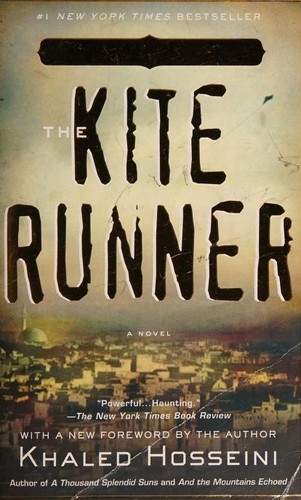
Khaled Hosseini's novel about Amir, a boy in Kabul who betrays his loyal friend Hassan and spends his adult life seeking a way to make it right. For readers who want a story about guilt, fathers and sons, and Afghanistan's recent history.
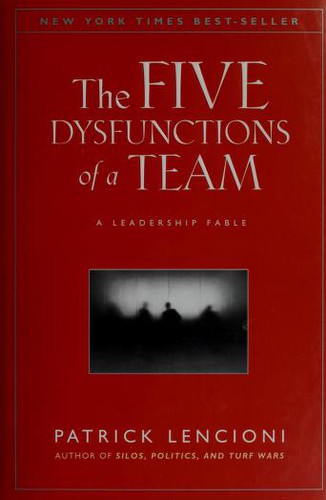
Patrick Lencioni's leadership fable about a new CEO who rebuilds a failing executive team, followed by his five-level model of why teams fail. For managers and anyone who sits on a leadership team.
More in Communication and persuasion →More in Relationships →
New books, occasionally