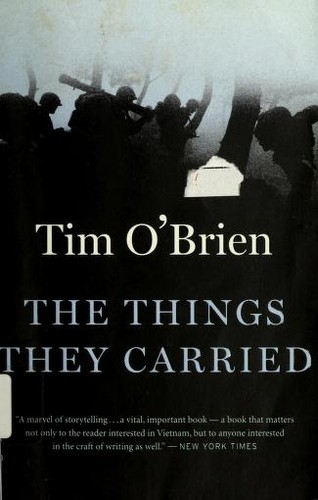
Tim O'Brien's linked stories about a platoon of American soldiers in Vietnam, told by a narrator named Tim O'Brien who keeps asking what a true war story is. For readers who want the stories in order and what the book says about memory and truth.
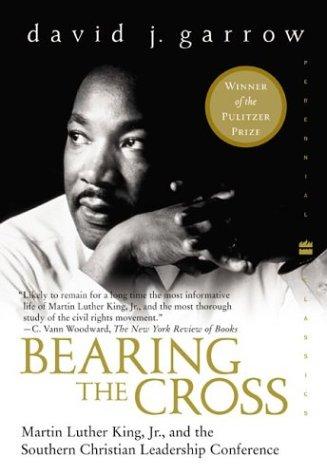
1986 · 800 pages · Summary updated 24 October 2026
Bearing the Cross by David J. Garrow is the Pulitzer Prize-winning biography of Martin Luther King Jr. and the Southern Christian Leadership Conference, from Montgomery in 1955 to Memphis in 1968. For readers who want the full, detailed story.
David Garrow follows Martin Luther King Jr. day by day through the 13 years of his public life, based on hundreds of interviews, King's papers and FBI files. King becomes a leader by chance in Montgomery, and a night of prayer in his kitchen gives him the faith to go on. With the Southern Christian Leadership Conference he wins in Birmingham and Selma and fails in Albany and Chicago. The FBI wiretaps and harasses him. Garrow shows a man who feels his role as a cross he must carry: often exhausted and depressed, expecting to die, and still choosing to continue.
In Montgomery in 1955, local leaders chose King, a young pastor new in town, to lead the bus boycott. Garrow shows that King took the role reluctantly and doubted himself. The movement often pushed him forward, through local activists, his staff and events he did not plan. The idea is that leadership in a mass movement is less about a heroic plan and more about accepting a responsibility when it comes.
In January 1956, after a threatening late night call, King prays alone at his kitchen table. He feels God telling him to stand up for righteousness. Days later his house is bombed. Garrow treats this moment as the spiritual core of King's life. When fear and fatigue later overwhelm him, he returns to it. The book shows how one moment of conviction can sustain a person through years of danger.
Garrow tells the story through the SCLC: its staff meetings, money problems and arguments. Aides such as Bayard Rustin, Stanley Levison, Ella Baker, Andrew Young and James Bevel shape strategy. Bevel's decision to bring children into the Birmingham marches changes the campaign. The idea is that famous victories depend on unglamorous work and on many people whose names the public rarely hears.
Albany in 1962 fails because the protests have no clear target and the police avoid public brutality. Birmingham in 1963 succeeds because the SCLC chooses specific targets and creates a crisis the city cannot ignore. Chicago in 1966 mostly fails because Northern segregation is harder to see and fight. Garrow shows King and his staff learning, and sometimes failing to learn, from each campaign.
The FBI, led by J. Edgar Hoover, tapped King's phones with Robert Kennedy's approval, bugged his hotel rooms and spread damaging stories. In 1964 it mailed him a tape and an anonymous letter that seemed to urge suicide. Garrow, using FBI files, shows how this campaign added to King's fear and exhaustion. It is a lesson in how state power can be used against a lawful dissenter.
Garrow writes openly about King's extramarital affairs, his indecision and his depression. He does not hide them or make them the main story. He presents King as a human being under extreme pressure. The book argues that a full picture, flaws included, makes King's courage clearer, not smaller. It is a model for writing about any public figure without either worship or scandal.
The title echoes the Gospel call to take up one's cross, and Garrow uses it for King's sense that his role was a burden he had to accept. He expected to be killed and said so. He believed that unearned suffering, accepted without hatred, could redeem others. In his last year he is tired, depressed and losing allies over Vietnam, but he keeps going to Memphis. Garrow shows that King's courage was not an absence of fear, but a choice made again and again.
Bearing the Cross: Martin Luther King, Jr., and the Southern Christian Leadership Conference is David J. Garrow's biography of King, published in 1986. It won the 1987 Pulitzer Prize for Biography and the Robert F. Kennedy Book Award. It covers King's life from the start of the Montgomery bus boycott in December 1955 to his murder in Memphis in April 1968. The book is long and detailed, often following events day by day.
Garrow, a historian and political scientist, had already written books on the Selma campaign and on the FBI's surveillance of King. For this book he conducted more than 700 interviews with King's family, aides and opponents, including Coretta Scott King, Ralph Abernathy and Andrew Young. He used King's papers and SCLC records. He also used FBI files released under the Freedom of Information Act, which record King's phone calls and meetings.
The subtitle matters. This is a biography of King, but also of the Southern Christian Leadership Conference (SCLC), the organization he led. Garrow shows how decisions were made: in late night staff meetings, in arguments among aides, and under pressure from local activists, the press and the White House.
In December 1955 Rosa Parks is arrested in Montgomery, Alabama. Local leaders form the Montgomery Improvement Association and choose King, a 26-year-old pastor new in town, as president. Garrow stresses that King did not seek the role. He accepted it. The first demands are modest: courteous treatment, seating on a first-come basis within a segregated system, and Black drivers on Black routes. The city refuses even these, and the boycott hardens into a demand to end bus segregation.
The boycott brings arrests, threats and calls in the night. In late January 1956, after a threatening phone call, King sits alone in his kitchen. He prays and feels the presence of God telling him to stand up for righteousness. Garrow treats this kitchen experience as the spiritual center of King's life. King returns to it in his mind for the rest of his years. Days later his house is bombed, and he calms the crowd that gathers outside. The boycott lasts more than a year. Black residents run a car pool system to get people to work, and the city indicts King and dozens of other leaders under an old law against boycotts. King is convicted and fined. The boycott ends in late 1956 with a Supreme Court ruling against bus segregation. Garrow shows how much the victory depended on thousands of ordinary people who walked for months, and on local organizers who had prepared for such a moment long before King arrived.
In 1957 King and other Southern ministers found the SCLC to spread the Montgomery model. Garrow shows that the early SCLC is weak. It has little money, few staff and no clear program for several years. Its first big effort, the Crusade for Citizenship voter drive, produces few results.
King's fame grows faster than his organization. In 1958 he publishes Stride Toward Freedom, his account of Montgomery. At a book signing in Harlem that year, a mentally ill woman, Izola Curry, stabs him in the chest with a letter opener, and he nearly dies. In 1959 he travels to India to study Gandhi's movement, and he comes home more committed to nonviolence as a way of life, not only a tactic.
The book introduces the people around King. Ralph Abernathy is his closest friend and fellow pastor. Bayard Rustin, a veteran pacifist organizer, advises him on nonviolent tactics. Stanley Levison, a New York lawyer, helps him write, raise money and think through strategy. Ella Baker runs the SCLC office for a time and grows frustrated with its male ministers' top-down style. She helps young protesters form their own group, the Student Nonviolent Coordinating Committee (SNCC), in 1960. Later aides include Wyatt Tee Walker, Andrew Young, James Bevel, Hosea Williams and Jesse Jackson.
In 1960 King moves back to Atlanta to be closer to the SCLC office and to share the pulpit of his father's church. That year, student sit-ins spread across the South. They show King that young people are ready to act faster than his own organization. In October 1960 King joins a sit-in in Atlanta and is sent to a Georgia state prison on an old traffic charge. John F. Kennedy, then a presidential candidate, phones Coretta King, and Robert Kennedy helps get King released. Garrow shows how this episode helps Kennedy win Black votes weeks before the election.
Garrow shows King as a leader who listens, weighs arguments and often delays decisions. His aides argue constantly. SNCC's young activists mock King's caution and call him "De Lawd" behind his back.
The campaign in Albany, Georgia, in 1961 and 1962 fails. The police chief, Laurie Pritchett, arrests protesters by the hundreds but avoids public violence, so the press finds no dramatic images. The movement also lacks a clear target, and King arrives late into a campaign that local groups and SNCC had started. Garrow shows King and his staff learning from the defeat.
In Birmingham in 1963, the SCLC plans carefully. The plan is called Project C, for confrontation. It targets downtown stores, where the economic pressure is greatest. Local leader Fred Shuttlesworth pushes for action. King is jailed and writes the Letter from Birmingham Jail. When the campaign stalls, James Bevel brings in schoolchildren. Police under Bull Connor turn dogs and fire hoses on them, and the images force a settlement. In August, King speaks at the March on Washington. Garrow shows the planning behind it, led by Bayard Rustin, and the tension with SNCC over its tone. Weeks later, a bomb at the Sixteenth Street Baptist Church in Birmingham kills four girls. In 1964 the SCLC campaigns in St. Augustine, Florida, where marchers face violent white mobs. Later that year King wins the Nobel Peace Prize. Garrow shows that the honor brings him more fame, more demands and no rest.
One of the book's most important threads is the FBI's war on King. FBI director J. Edgar Hoover sees King as a threat. The bureau claims that Stanley Levison and another adviser, Jack O'Dell, have ties to the Communist Party. The Kennedy administration presses King to cut ties with them. In October 1963, Attorney General Robert Kennedy approves wiretaps on King's phones.
The FBI also bugs King's hotel rooms and records evidence of his extramarital relationships. In late 1964, just before King receives the Nobel Peace Prize, the bureau mails him a tape and an anonymous letter that seems to urge him to kill himself. Hoover publicly calls him the most notorious liar in the country. Garrow, drawing on his earlier research, documents how the surveillance deepened King's fear and exhaustion.
Garrow writes frankly about King's private life, including the affairs. He presents them as part of a portrait of a man under extreme pressure, not as a scandal.
In Selma, Alabama, in 1965, the SCLC campaigns for voting rights. Local activists and SNCC workers had organized there for two years before King arrived. In February a state trooper shoots a young Black man, Jimmie Lee Jackson, during a protest in a nearby town, and he dies. His death leads to the plan for a march from Selma to Montgomery. State troopers beat marchers on the Edmund Pettus Bridge. King leads a second march to the bridge and turns it back, which angers younger activists. Garrow shows that King had made a quiet deal to avoid a clash with the troopers that day, and that he did not tell all his allies. The full march to Montgomery follows under federal protection, and Congress passes the Voting Rights Act in August 1965.
King then takes the movement north. In Chicago in 1966 he campaigns against slum housing and segregated neighborhoods. White crowds attack the marchers, and the campaign ends with an agreement that changes little. The same year, the activist James Meredith is shot on a solo walk through Mississippi. Civil rights groups continue his march, and during it SNCC's Stokely Carmichael raises the cry of Black Power. King rejects the slogan's tone but understands the anger behind it.
In April 1967, in a speech at Riverside Church in New York, King publicly opposes the Vietnam War. Many allies, newspapers and President Johnson turn against him. Some civil rights leaders say he is hurting the cause by mixing it with foreign policy. Garrow shows King choosing his conscience over his access to the White House. He begins to argue for deep change in the American economy, not just civil rights.
In his last year King is exhausted. Garrow shows him depressed, sleeping little and feeling that he has lost the country's attention. He plans the Poor People's Campaign, a march on Washington for jobs and income. His staff doubts it. He goes to Memphis to support striking sanitation workers. A march there turns violent, and he is shaken. He returns, gives his "Mountaintop" speech on April 3, 1968, and is killed the next day.
The title echoes Jesus's call in the Gospel of Mark to take up one's cross. Garrow uses it for King's sense that leadership was a burden he had to accept. He argues that King accepted suffering as part of his calling. He knew he would likely be killed. He kept going because he believed that unearned suffering is redemptive.
Reviewers praised the book's research and its honesty about King's flaws. Some found its day-by-day detail heavy and its focus on King and the SCLC narrow, leaving less room for SNCC and local organizers, whom later historians have placed nearer the center of the movement. Some readers objected to its frank treatment of King's private life. Garrow drew wider criticism in 2019 for an article that relied on FBI summaries for new claims about King, but that came long after this book.
Read it if you want a full, close-up account of King's leadership and the inner workings of the movement. It suits readers who have read King's own words and now want to see the man, his aides and his enemies in detail.
11 cards
Question 1 of 5
Which organization does Bearing the Cross follow along with King?
Tim O'Brien's linked stories about a platoon of American soldiers in Vietnam, told by a narrator named Tim O'Brien who keeps asking what a true war story is. For readers who want the stories in order and what the book says about memory and truth.
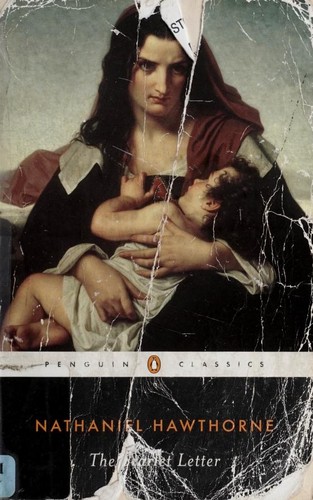
Nathaniel Hawthorne's novel about Hester Prynne, forced to wear a scarlet A for adultery in Puritan Boston, the minister who hides his guilt and the husband who seeks revenge. For readers who want the plot in order and the ideas behind it.

S. E. Hinton's novel about Ponyboy Curtis, a fourteen-year-old greaser in 1960s Oklahoma, and the night a fight with rich kids ends in a death. For readers who want the plot, the characters and the meaning of "stay gold."
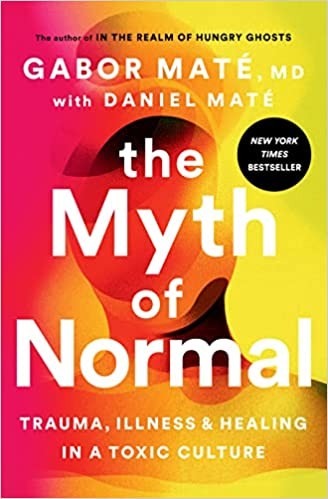
Gabor Maté's The Myth of Normal argues that much of what we call normal in modern life makes people sick, linking trauma, stress and illness. For readers who want to understand how early experience and culture shape health.
New books, occasionally