
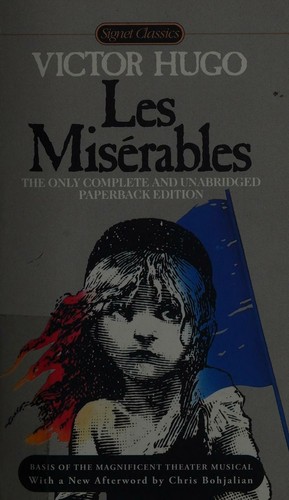
Victor Hugo's novel about Jean Valjean, a convict who becomes a good man after one act of mercy, and the police inspector Javert who hunts him across France. For readers who want the five parts in order and the ideas behind the story.
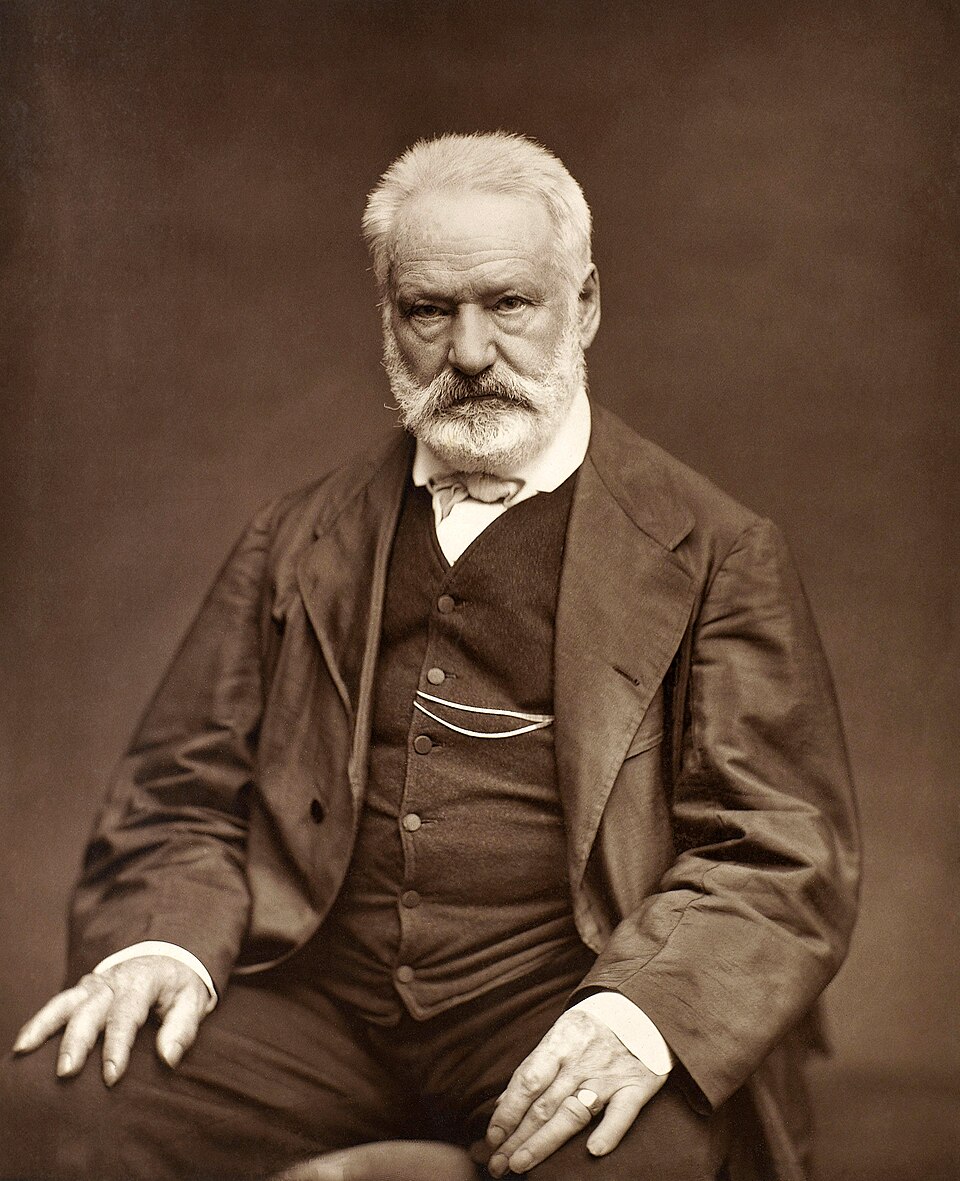
Author · 1 summary
French novelist and poet
Victor Hugo was born in Besançon, the son of an officer in Napoleon's army, and grew up mostly in Paris. He published his first book of poems at 20 and became a leader of the French Romantic movement. His play Hernani (1830) set off nightly fights in the theater between Romantics and traditionalists. His novel Notre-Dame de Paris (1831), known in English as The Hunchback of Notre-Dame, made him famous across Europe.
He entered politics and moved from royalist to republican views. When Louis-Napoléon seized power in 1851, Hugo opposed him and went into exile, mostly on the island of Guernsey, for nearly twenty years.
He finished Les Misérables (1862) in exile. It follows Jean Valjean, a former convict who spends his life trying to become a good man while a police inspector hunts him. The novel argues that poverty and harsh laws create crime and that mercy can redeem it. Some critics find its long digressions on history, sewers and Waterloo a test of patience.
He returned to France in 1870. When he died in 1885, about two million people followed his funeral procession in Paris.
Victor Hugo's novel about Jean Valjean, a convict who becomes a good man after one act of mercy, and the police inspector Javert who hunts him across France. For readers who want the five parts in order and the ideas behind the story.
New books, occasionally