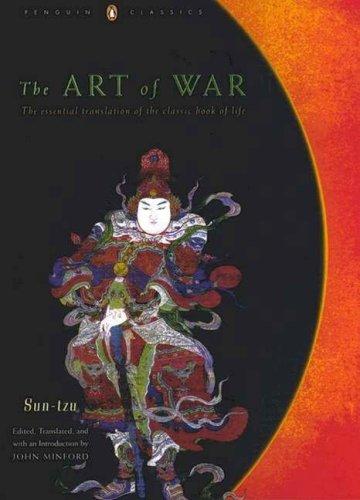
Sun Tzu's 13 short chapters on strategy from ancient China: win without fighting, know yourself and your enemy, and shape the ground before the battle. For readers in business, politics or any contest.
Author · 1 summary
Chinese military strategist and general
Sun Tzu, "Master Sun", is the name tradition gives to Sun Wu, the author of The Art of War. The historian Sima Qian, writing around 100 BC, says that he came from the state of Qi and served King Helü of Wu as a general near the end of the 6th century BC. In the best-known story, Sun Wu proves his method by drilling the king's concubines. When the two royal favorites laugh at his orders, he has them executed, and the rest obey.
No source from his own time mentions him, and historians debate whether he existed. Most date the text to the Warring States period (475 to 221 BC), at least a century after the traditional dates.
The Art of War has 13 short chapters. It argues that war is a matter of life and death for the state, so a commander must calculate before he fights. All warfare rests on deception. Position and timing matter more than numbers, and the best victory comes without a battle. The book shaped military thought in China and Japan for two thousand years, and readers in business and politics now apply it.
Sun Tzu's 13 short chapters on strategy from ancient China: win without fighting, know yourself and your enemy, and shape the ground before the battle. For readers in business, politics or any contest.
New books, occasionally