
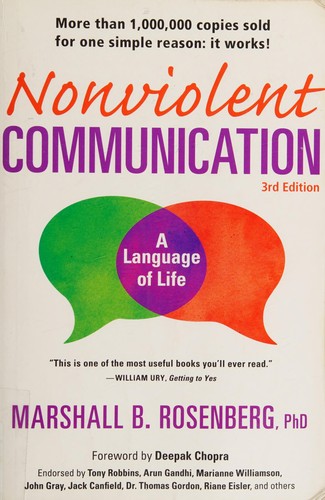
A psychologist's four-step method (observation, feeling, need, request) for speaking and listening without blame, for anyone whose conversations turn into arguments.
Author · 1 summary
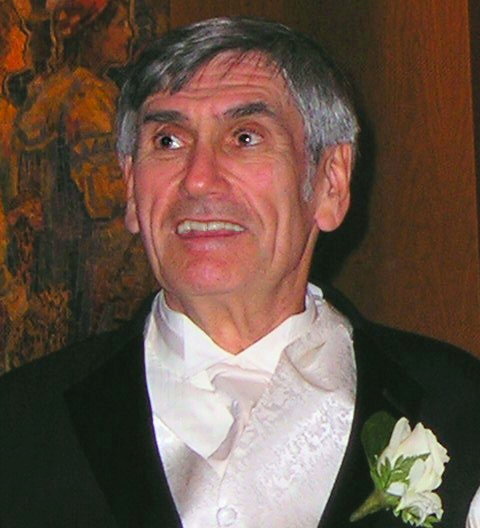
American psychologist and mediator
Marshall B. Rosenberg was born in Canton, Ohio, to a Jewish family. The family moved to Detroit one week before the 1943 race riot, and at school he met antisemitism. He later said these events made him ask why some people turn to violence and others to compassion.
He earned a PhD in clinical psychology at the University of Wisconsin in 1961, where he studied under Carl Rogers. He started a clinical practice in St. Louis, but he soon turned to work with civil rights activists and with schools that were going through desegregation. From this work he developed nonviolent communication. In 1984 he founded the Center for Nonviolent Communication.
Nonviolent Communication (1999) teaches a four-part method: describe what you observe without judgment, name your feelings, connect them to your needs, and make a clear request. Rosenberg argued that most conflict comes from language that blames and labels, and that people meet more of their needs when they listen for the needs of others. He often taught with two hand puppets, a jackal for judgment and a giraffe for empathy.
He worked as a mediator in dozens of countries. He died at his home in Albuquerque, New Mexico, in 2015.
A psychologist's four-step method (observation, feeling, need, request) for speaking and listening without blame, for anyone whose conversations turn into arguments.
New books, occasionally