
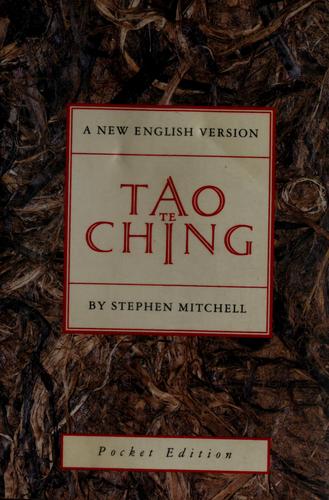
The founding text of Taoism: 81 short poems on the Way, effortless action and leading by stepping back. For readers who want an ancient, practical guide to living with less force and less strain.
Author · 1 summary
Chinese philosopher
Laozi, "Old Master", is the name tradition gives to the author of the Tao Te Ching. The historian Sima Qian, writing around 100 BC, described him as Li Er, a keeper of archives at the Zhou court in the 6th century BC and an older contemporary of Confucius. Modern scholars debate whether Laozi existed and when he lived. Many think the text grew over time. Bamboo slips from a tomb sealed around 300 BC already hold parts of it.
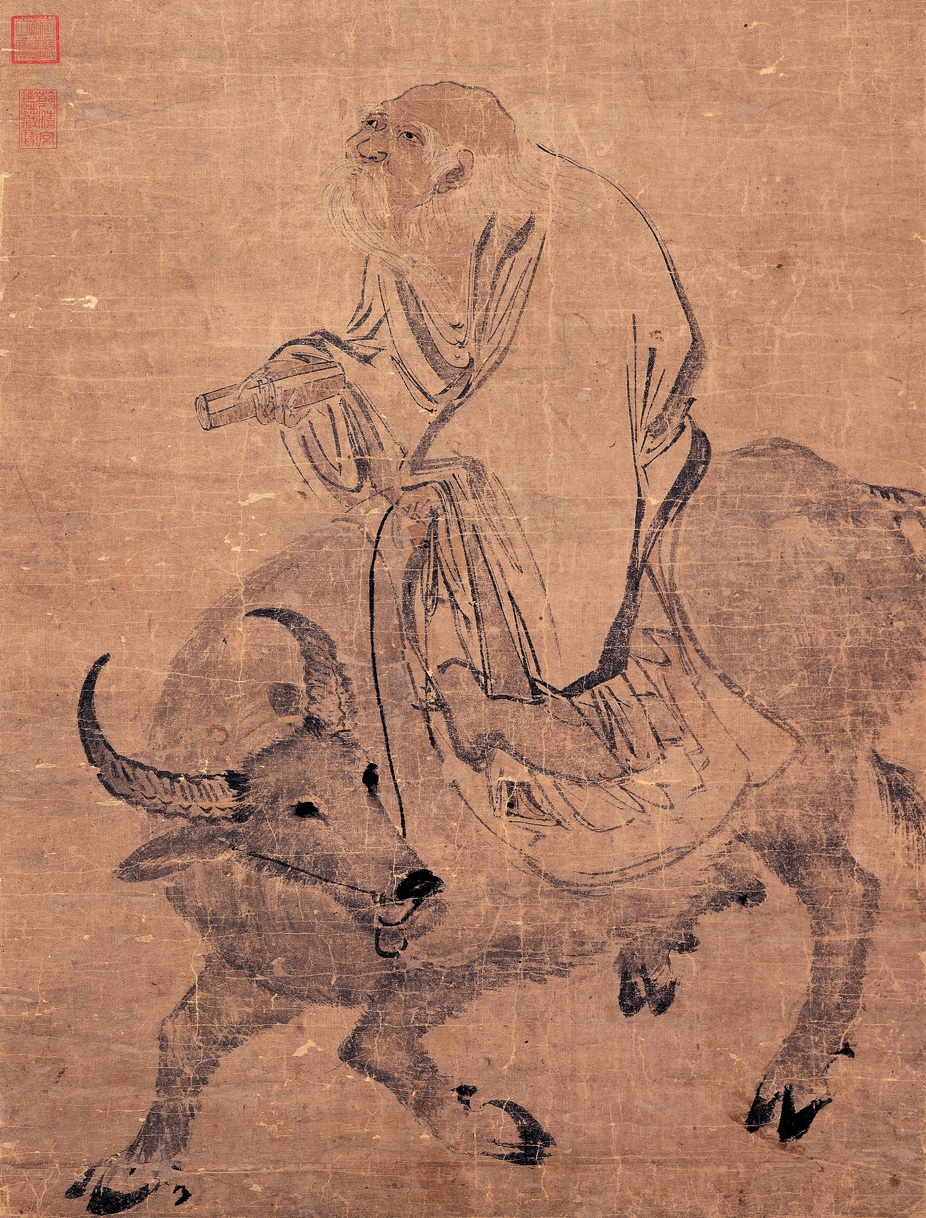
The best-known legend says that Laozi left the declining Zhou court and rode west on an ox. At the frontier, a guard named Yinxi asked him to write down his teachings. He left a short book of about five thousand characters and then disappeared.
The Tao Te Ching argues that the Tao, the way of nature, cannot be named or grasped, only followed. Its central idea is wu wei: act without forcing. Its model is water, which stays low and soft and still wears down stone. It tells rulers to govern lightly and to want less. Later Taoism honored Laozi as a deity, and the book is one of the most translated texts in the world.
The founding text of Taoism: 81 short poems on the Way, effortless action and leading by stepping back. For readers who want an ancient, practical guide to living with less force and less strain.
New books, occasionally