
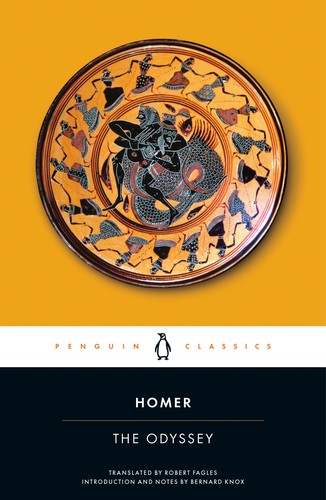
Homer's ancient Greek epic about Odysseus's ten-year journey home from Troy to Ithaca, and his son Telemachus's search for him. For readers who want the plot, the characters and the ideas, book by book.
Author · 1 summary
Greek poet
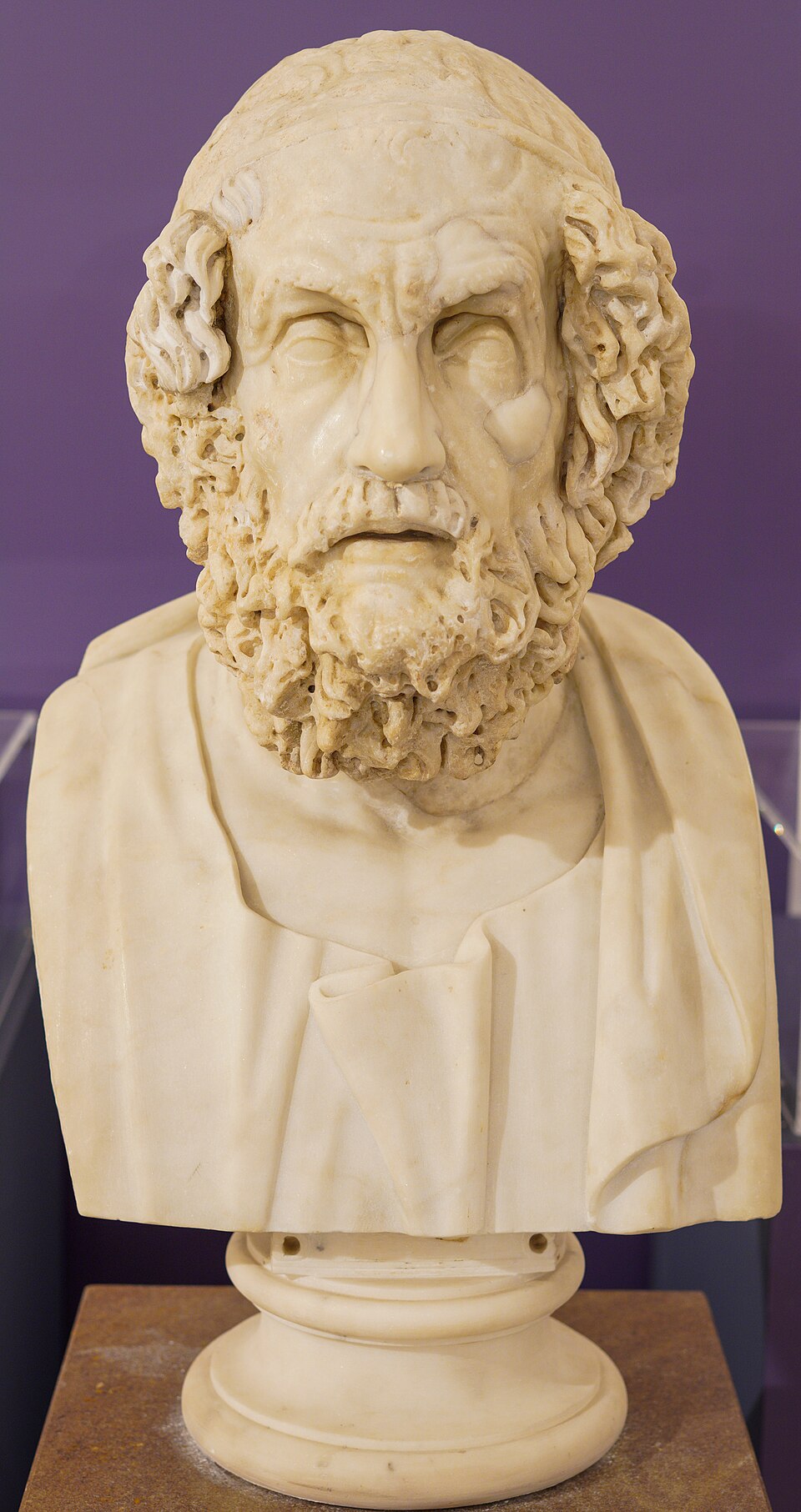
Ancient Greeks credited Homer with the Iliad and the Odyssey, the oldest surviving works of Greek literature. Almost nothing about him is certain. Several cities, among them Chios and Smyrna, claimed to be his birthplace, and later tradition pictured him as a blind singer. Scholars still debate whether he existed, when he lived, and whether one poet composed both epics. Many date the poems to the late 8th or the 7th century BC.
The poems grew out of an oral tradition. For generations, singers performed long stories in verse. They used stock phrases, such as "rosy-fingered Dawn", to compose as they sang. At some point the poems were written down, and scholars in Alexandria later edited the text.
The Odyssey follows Odysseus on his ten-year journey home from the Trojan War. At home, his wife Penelope and his son Telemachus hold out against the suitors who occupy his house. The poem tests hospitality, loyalty and cunning, and it shows how pride can undo a clever man. Greek schools taught both epics for centuries, and writers from Virgil to James Joyce retold them.
Homer's ancient Greek epic about Odysseus's ten-year journey home from Troy to Ithaca, and his son Telemachus's search for him. For readers who want the plot, the characters and the ideas, book by book.
New books, occasionally