
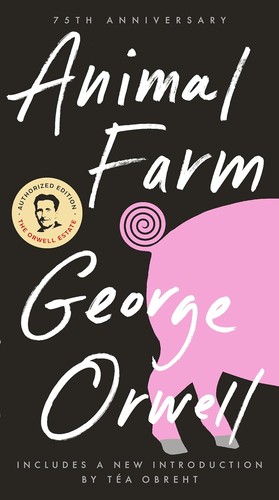
Orwell's fable about farm animals who overthrow their farmer and are then ruled by the pigs, a satire of the Russian Revolution and Stalin. For students and readers who want the plot, the allegory and the ending in plain words.
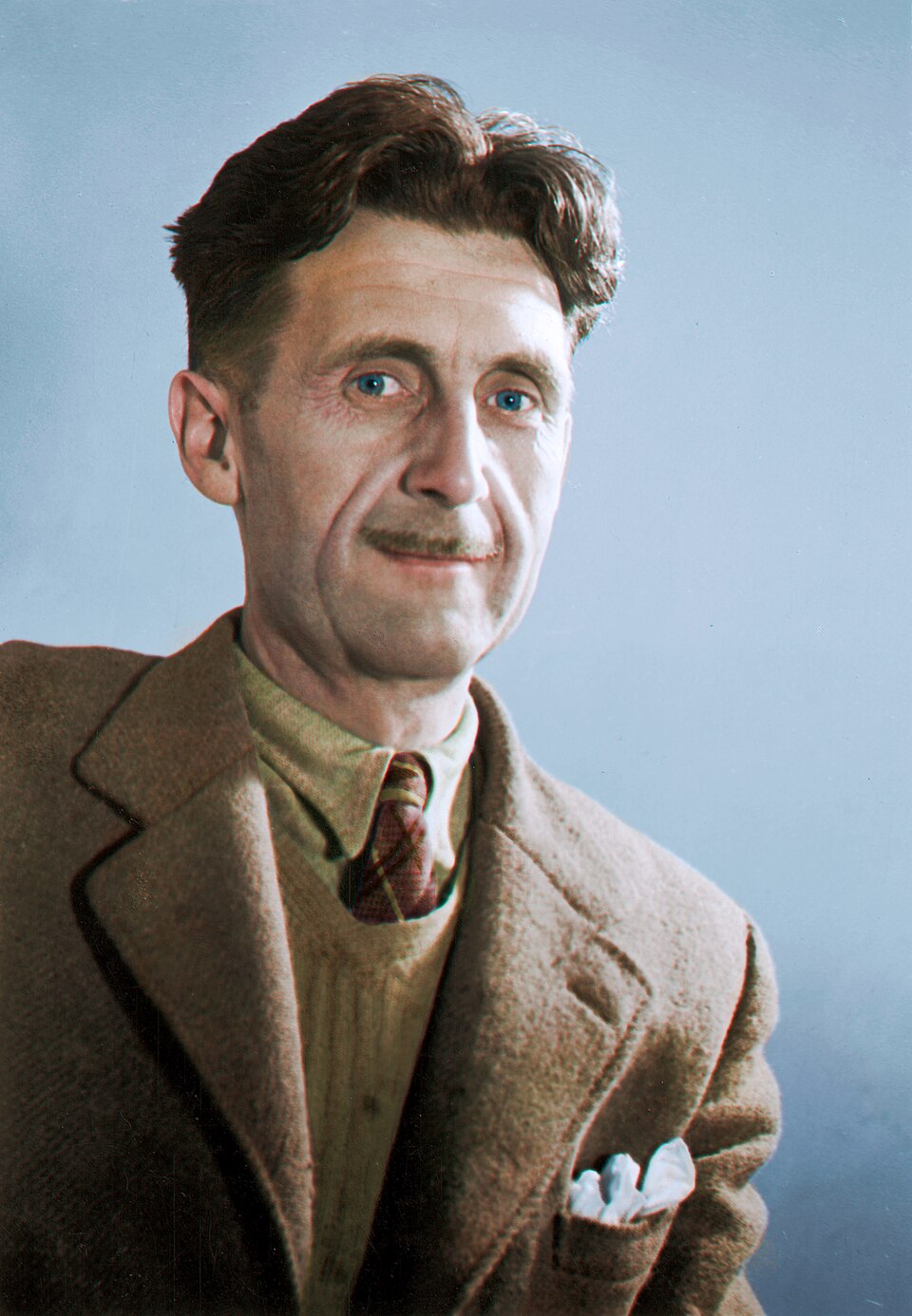
Author · 2 summaries
British novelist and essayist
George Orwell was the pen name of Eric Blair. He was born in Motihari, in British India, where his father worked for the colonial opium department. He grew up in England and won a scholarship to Eton, but he did not go to university. From 1922 to 1927 he served with the Indian Imperial Police in Burma. The job turned him against empire.
He then lived among poor workers and tramps and wrote about them in Down and Out in Paris and London (1933) and The Road to Wigan Pier (1937). In the Spanish Civil War he fought for the Republic and was shot in the throat. He saw Soviet-backed communists turn on their own allies and described it in Homage to Catalonia (1938). From then on he wrote as a democratic socialist against totalitarian rule of every kind.
Animal Farm (1945) retells the Russian Revolution as a fable in which the pigs take over the farm the animals freed. 1984 (1949) shows a state that controls people by rewriting the past and changing the meaning of words. He died of tuberculosis in London in January 1950, aged 46.
Orwell's fable about farm animals who overthrow their farmer and are then ruled by the pigs, a satire of the Russian Revolution and Stalin. For students and readers who want the plot, the allegory and the ending in plain words.
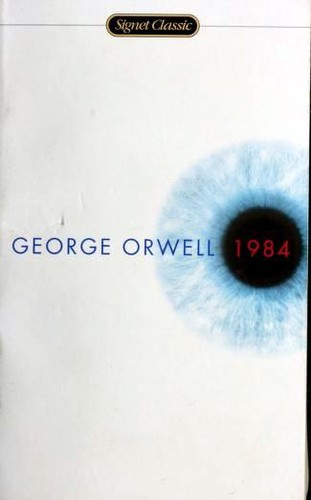
George Orwell's 1949 novel about Winston Smith, a minor Party worker in a totalitarian state who starts a diary, falls in love and is broken. For readers who want the plot, the ideas and the words (Big Brother, Newspeak, doublethink) that entered the language.
New books, occasionally