
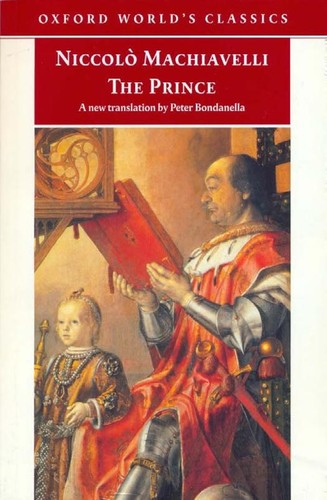
Machiavelli's 1513 manual on how a ruler gains and keeps power, written for the Medici after his fall from office in Florence. For readers who want the argument behind the word Machiavellian.
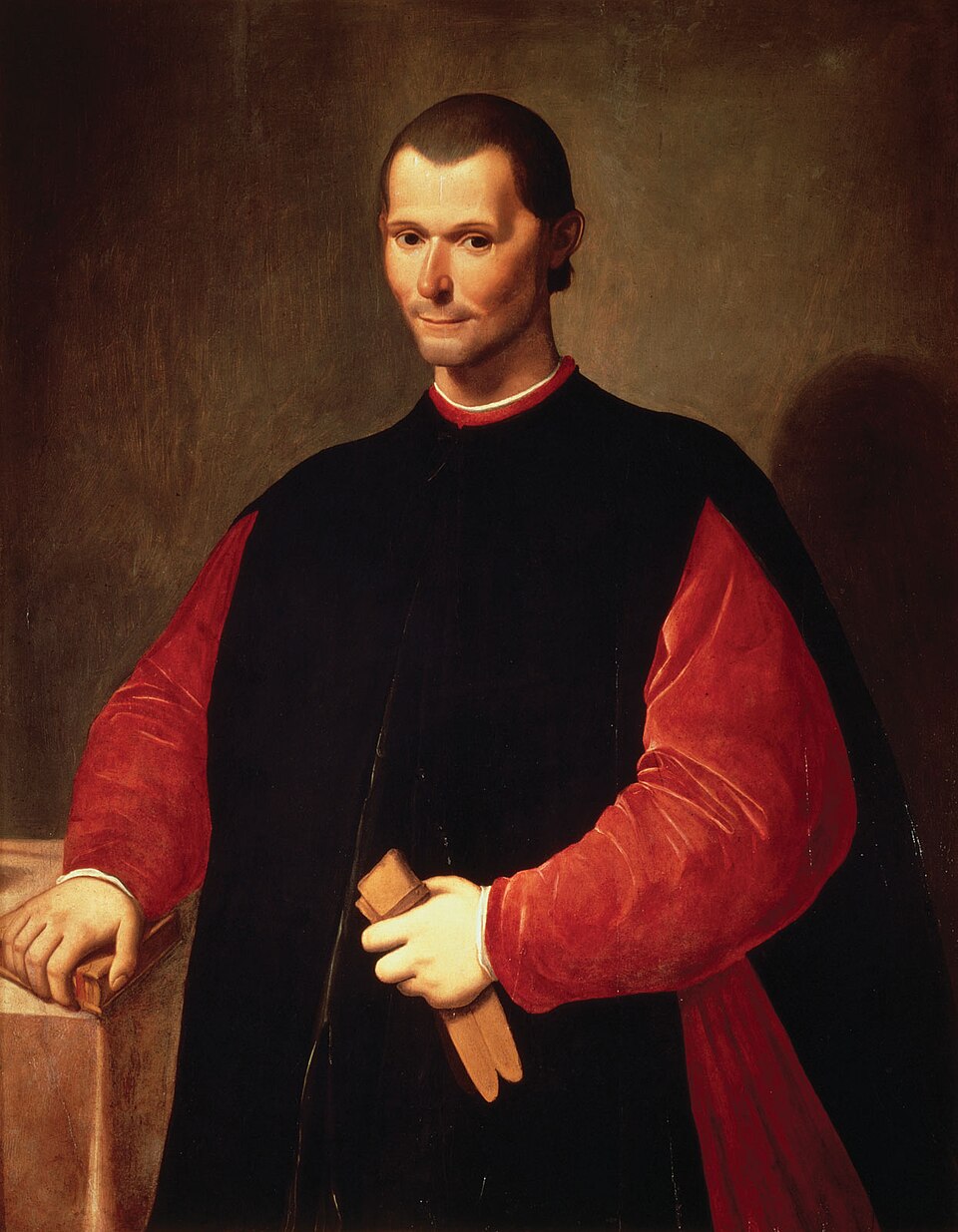
Author · 1 summary
Italian political philosopher and diplomat
Niccolò Machiavelli grew up in Florence, the son of a lawyer, and received a humanist education in Latin and the classics. In 1498, after the fall of Savonarola, he became secretary of the Second Chancery of the Florentine Republic. For 14 years he wrote state papers, went on missions to France, the Pope and Cesare Borgia, and built a citizen militia.
In 1512 the Medici family returned to power with Spanish troops, and the republic fell. Machiavelli lost his post. Early in 1513 he was arrested on suspicion of conspiracy and tortured, then released. He withdrew to his farm near San Casciano, and there he wrote The Prince. He dedicated it to Lorenzo de' Medici in the hope of a new post.
The Prince describes how rulers actually win and keep power, not how they should. A prince must be ready to act against mercy and good faith when the state requires it. If he cannot be both feared and loved, it is safer to be feared. The book appeared in 1532, five years after his death in Florence. His Discourses on Livy favors republics, and scholars still debate whether The Prince is sincere advice, satire or a warning.
Machiavelli's 1513 manual on how a ruler gains and keeps power, written for the Medici after his fall from office in Florence. For readers who want the argument behind the word Machiavellian.
New books, occasionally