

Jared Diamond's Pulitzer-winning answer to why Eurasian societies conquered the rest of the world: geography and biology, not the people. For readers who want the 13,000-year big picture of human history.
Author · 1 summary
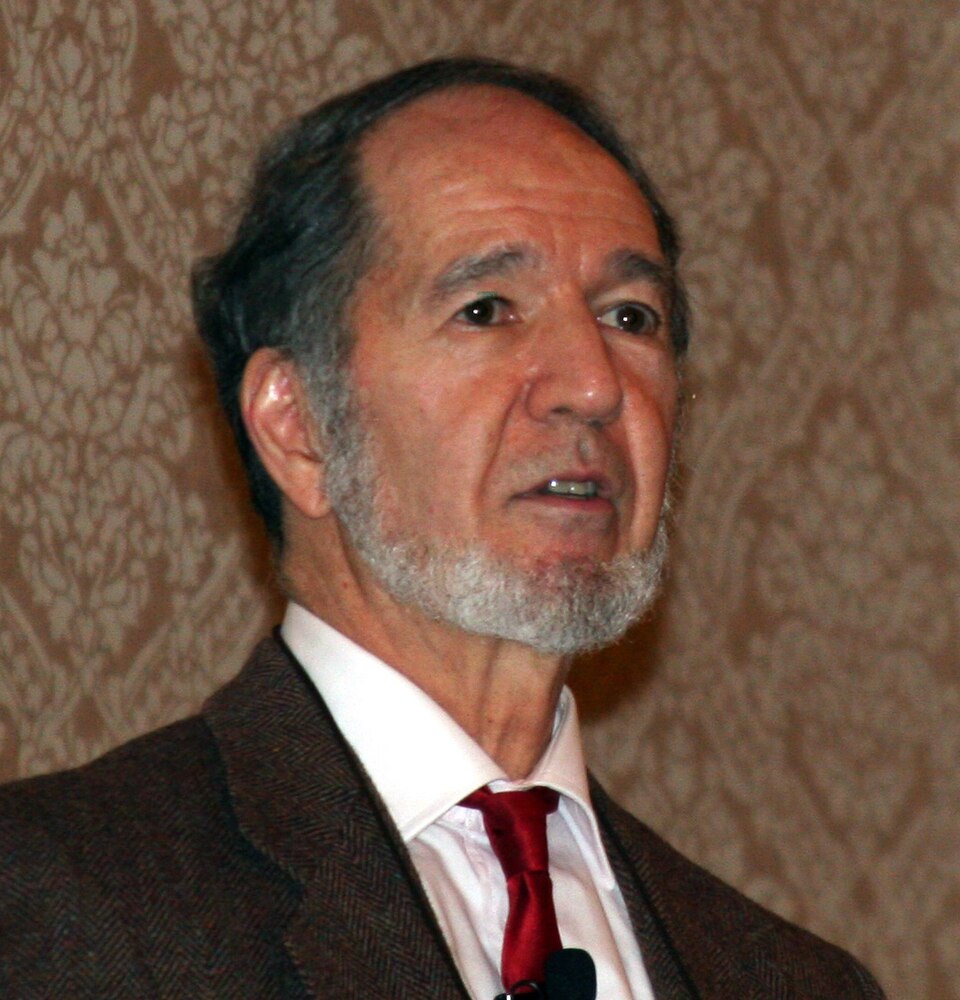
American geographer and physiologist
Jared Diamond grew up in Boston, the son of a physician and a teacher. He studied at Harvard and took a PhD in physiology at Cambridge in 1961. He became a professor of physiology at the UCLA medical school. From 1964 he also made field trips to New Guinea to study birds, which gave him a second career in ecology and evolutionary biology.
A question from a New Guinean friend, Yali, led to Guns, Germs, and Steel (1997). Yali asked why white people had so much more cargo. Diamond's answer is geography. Eurasia had more plants and animals that people could domesticate, and its east to west axis let crops spread. Farming led to dense populations, writing, steel and immunity to epidemic disease. The book won the 1998 Pulitzer Prize.
Later books include Collapse, The World Until Yesterday and Upheaval. Many historians and anthropologists say his argument is too deterministic and that it simplifies the cultures he uses as examples. Diamond moved to UCLA's geography department and retired in 2024.
Jared Diamond's Pulitzer-winning answer to why Eurasian societies conquered the rest of the world: geography and biology, not the people. For readers who want the 13,000-year big picture of human history.
New books, occasionally