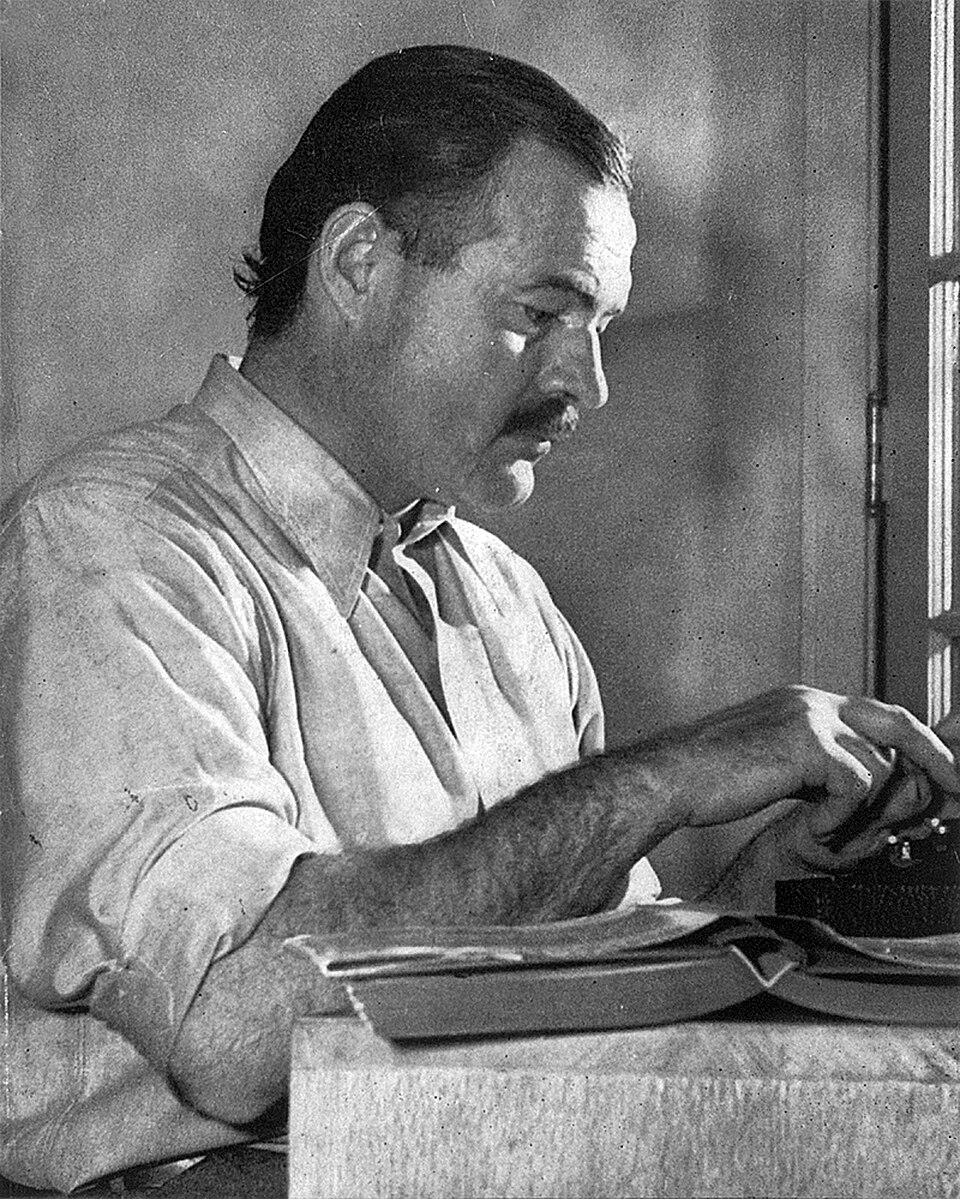
Ernest Hemingway was born in Oak Park, Illinois, in 1899. After high school he worked as a reporter for The Kansas City Star, where he learned to write short, plain sentences. In World War I he drove ambulances in Italy and was badly wounded at 18.
In the 1920s he lived in Paris as a foreign correspondent among other expatriate writers. The Sun Also Rises (1926) and A Farewell to Arms (1929) made his name. His style, with simple words, repeated phrases and feeling left unstated, shaped many writers after him. He reported on the Spanish Civil War, which led to For Whom the Bell Tolls (1940).
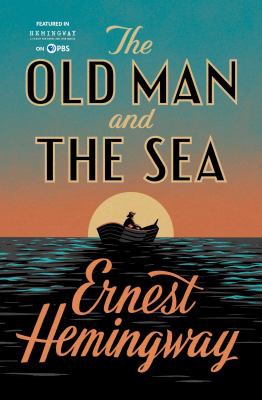
The Old Man and the Sea (1952) follows Santiago, an old Cuban fisherman who goes 84 days without a catch, then hooks a giant marlin and fights it for days, only to lose it to sharks on the way home. It won the Pulitzer Prize, and he received the Nobel Prize in Literature in 1954. Critics have long debated his portrayal of women and his cult of masculinity. After years of depression and illness he died by suicide in Ketchum, Idaho, in 1961.