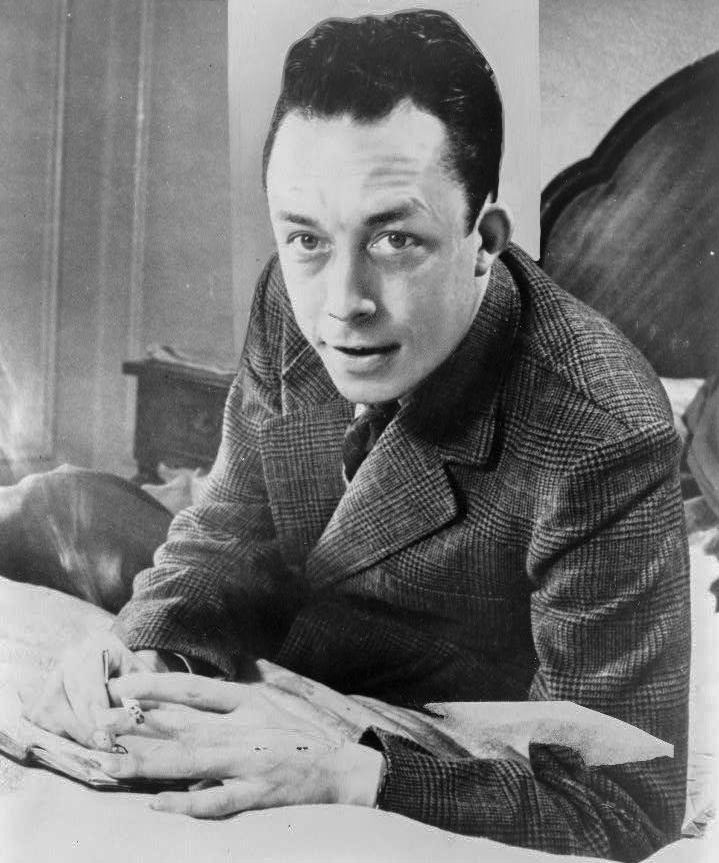
Albert Camus was born in 1913 in Mondovi, a village in French Algeria that is now Dréan. His father died in World War I when he was a baby, and he grew up poor in Algiers with a mother who was partly deaf and could barely read. A scholarship took him to high school and then to the University of Algiers, where he studied philosophy. Tuberculosis ended his hopes of teaching.
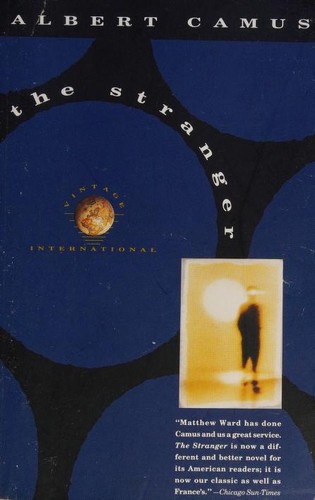
He worked as a journalist and, during the German occupation of France, edited the Resistance paper Combat in Paris. The Stranger (1942) follows Meursault, a clerk who kills a man on a beach and is condemned as much for his calm at his mother's funeral as for the killing. With the essay The Myth of Sisyphus, it set out his idea of the absurd: life has no given meaning, and a person must live honestly anyway.
The Plague (1947) and The Fall (1956) followed. He won the Nobel Prize in Literature in 1957, aged 44. His break with Jean-Paul Sartre over Soviet communism, and his refusal to back Algerian independence, still divide critics. He died in a car crash in France in 1960.